The Journey: A Scenic Route Through Europe
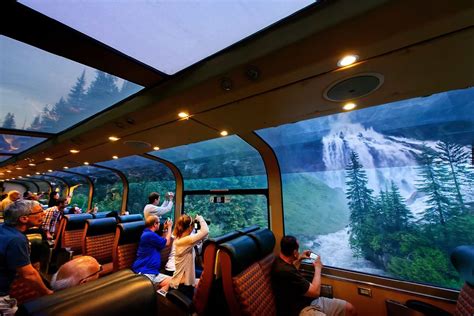
Traveling almost 1,200 kilometers, the Adriatic Express offers passengers a remarkable experience as it traverses through Poland, the Czech Republic, Austria, Slovenia, and finally into Croatia. The entire journey takes approximately 19 hours, with breathtaking views of varied landscapes, including rolling hills, picturesque towns, and lush countryside. The train departs Warsaw at 2:00 PM and arrives in Rijeka at 9:00 AM the following morning, perfectly timed for breakfast at this coastal destination.
The return trip is equally convenient, departing Rijeka at 7:00 PM and arriving in Warsaw before 2:00 PM the next day. Such scheduling allows travelers to maximize their time exploring the beautiful Adriatic coast and the historical richness of Rijeka.
Features of the Adriatic Express
The Adriatic Express is operated by PKP Intercity, Poland’s largest rail operator, and is designed with passenger comfort in mind. The train features a total of 172 seats, including 132 second-class seats and 40 couchettes. The couchettes provide a more private space, ideal for those looking to rest during the lengthy journey. With a high demand already evident—over 90% of seats were filled during the inaugural trip—the service is poised to become a staple for both tourists and locals alike.
Affordable Travel Options
One of the most appealing aspects of the Adriatic Express is its affordability. One-way fares start at around PLN 200 (approximately £43), making it an accessible option for many travelers. This pricing strategy not only caters to budget-conscious tourists but also opens the door for smaller towns in Poland to connect directly with Croatia’s stunning Adriatic coastline.
The Tourism Impact
The launch of this train service comes at a time when tourism between Poland and Croatia is on the rise, with over 1.2 million Polish visitors reported last year alone. The Adriatic Express aims to serve this growing demand, providing a direct link that enhances travel convenience and promotes cultural exchange. Dariusz Klimczak, Poland’s Minister of Infrastructure, expressed his excitement, calling this service “the beginning of a new chapter for holiday rail travel.”
Moreover, the service strengthens the connection between the two countries, facilitating not just tourism but also broader economic and cultural ties. The convenience of this route is expected to attract even more Polish tourists eager to explore Croatia’s rich history and stunning landscapes.
Discovering Rijeka: A Jewel of the Adriatic
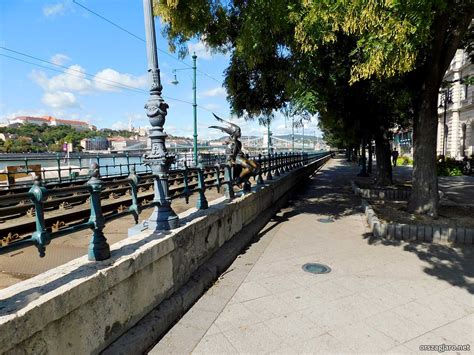
Rijeka, the destination at the end of the Adriatic Express, is a vibrant port city located in Kvarner Bay on the northern Adriatic Sea. Known as a gateway to Croatia’s islands, Rijeka is packed with historical significance and natural beauty. Travelers can wander along the Korzo promenade, where grand Habsburg-era buildings tell tales of the city’s past. Notably, the Ivan pl. Zajc Croatian National Theatre, renowned for its ceiling paintings by the iconic artist Gustav Klimt, stands as a testament to Rijeka’s rich cultural heritage.
Another must-visit site is the hilltop Trsat Castle, which not only provides a glimpse into the region’s history but also offers panoramic views of the Kvarner Bay islands. The combination of historical charm and access to the enchanting Adriatic islands makes Rijeka an attractive destination for tourists seeking both culture and relaxation.
A Sustainable Travel Option
In today’s world, where sustainable travel options are increasingly important, the Adriatic Express serves as an eco-friendly alternative to flying or driving. By promoting rail travel, this service contributes to reducing carbon footprints while enhancing connectivity between major European destinations. The launch of this route reflects a growing trend in the tourism industry towards more sustainable practices and highlights the potential for rail networks to facilitate greener travel options across Europe.
Looking Ahead: Future Prospects
Initially designed to operate during the summer tourist season, the Adriatic Express will run until the end of the holidays, with the last night train from Warsaw scheduled for August 28. However, given the strong demand observed during its launch, there are discussions about extending or potentially continuing the service beyond the summer months. The success of this route may pave the way for additional train services that further integrate European rail travel.
Conclusion
In conclusion, the introduction of the Warsaw-Rijeka train route represents a welcomed addition to the European travel landscape. As a sleeper train connecting five countries, it provides travelers with a unique and efficient way to journey between Central and Southeastern Europe. Whether visiting Rijeka for its historic sites or exploring the natural beauty of the Adriatic Sea, passengers now have a new, comfortable, and affordable option to experience one of Europe’s most scenic regions. With the increasing interest in sustainable travel, services like the Adriatic Express are likely to play a pivotal role in the future of tourism across Europe, enhancing connections and promoting cultural exchange in the years to come.