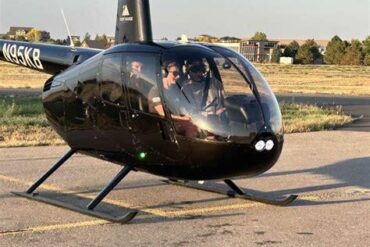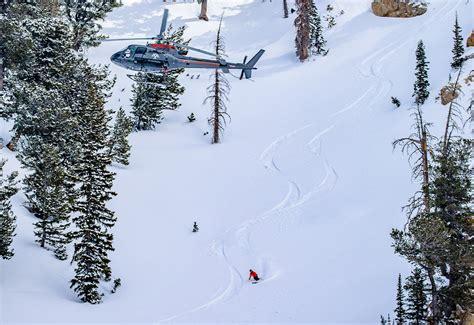
Nestled in the Wasatch Mountains just outside Salt Lake City, Powderbird Heli Ski Utah has long marketed itself as a gateway to elite, adrenaline-fueled alpine experiences. With the promise of pristine powder, remote descents, and helicopter-accessed terrain, the name Powderbird has become synonymous with luxury ski escapades in the Intermountain West. But beneath the glossy brochures and glowing testimonials, a more nuanced, divisive conversation takes shape among skiers, locals, and backcountry purists.
At the core of this debate is not just the cost — though at upwards of $2,000 per day (“2 bands,” as critics on Reddit say), it’s certainly not cheap — but the value, ethics, and authenticity of the Powderbird experience.
The Experience: Luxury Meets High-Altitude Adrenaline
For those who book a seat on the chopper, Powderbird’s experience is structured and plush. Guests are shuttled into carefully curated backcountry zones, often dropping into bowls, glades, and ridgelines that seem worlds away from the bustle of nearby ski resorts like Snowbird or Alta. Their helicopters operate with experienced pilots and guides certified by organizations such as AMGA and AIARE, with an emphasis on safety, avalanche risk mitigation, and terrain management.
Skiers are typically grouped by skill level, with guides matching terrain to ability. A standard day includes six to eight runs, totaling 12,000 to 15,000 vertical feet, depending on weather and group pace. A hot lunch is flown in mid-day, usually served amidst untouched snowfields with panoramic views. For skiers seeking bucket-list moments or celebrating milestones, the combination of breathtaking views, rotor-wash adrenaline, and fresh powder is hard to rival.
But as glorious as that sounds, the experience has its detractors — and many of them are vocal.
Terrain Critique: Is Powderbird Really Wild?
One of the loudest criticisms circulating online, particularly in backcountry-focused forums like r/Backcountry, is Powderbird’s alleged overuse of accessible, often pre-skied terrain. Locals and ski tourers report helicopters landing mere feet from popular skin tracks. In fact, multiple users have recounted personal run-ins with Powderbird groups descending lines they had just ascended under their own power.
“Imagine paying $2,000 and skiing chop on a bluebird day,” one user mocked. The sentiment resonates in a culture where self-powered touring is a badge of honor, and where heli-skiing is viewed by some as paying to shortcut both effort and etiquette.
The Wasatch, though undeniably scenic and snow-rich, is not Alaska. The terrain — while steep and demanding in places — is relatively compact and well-known. Powderbird operates under a special use permit that grants access to defined zones, but many of these overlap with high-traffic backcountry areas. This leads critics to argue that Powderbird doesn’t offer true wilderness or isolation — just the illusion of it.
Environmental Controversy: Fuel, Footprints, and First Tracks
Another polarizing aspect of heli skiing is its environmental footprint. A single day of operation burns hundreds of gallons of aviation fuel, releasing large volumes of CO₂ directly into high alpine ecosystems. In an era where skiers are increasingly aware of their climate impact, the optics of luxury heli drops next to eco-conscious tourers are fraught.
Some compare heli-skiing to private jet travel — indulgent, unsustainable, and tone-deaf in a warming world. “You can carpool and skin with a beacon, or burn jet fuel to make Instagram content,” one user snarked.
Powderbird defends its operations by highlighting strict adherence to FAA regulations, limited daily flight quotas, and their role in avalanche response. Indeed, Powderbird is often among the first on-scene in remote avalanche rescues due to their helicopter resources and avalanche-trained staff. This dual role — luxury guide and emergency responder — adds complexity to the conversation.
Safety and Professionalism: A Strong Suit
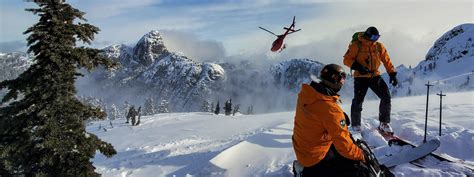
Despite debates around ethics and cost, few dispute Powderbird’s professionalism and safety standards. Their guides undergo rigorous training in avalanche safety, route planning, and medical response. Daily operations begin with detailed weather briefings, snowpack analysis, and terrain selection meetings. Every guest receives a beacon, shovel, probe, and a pre-flight safety orientation, including how to load and unload the helicopter safely.
Avalanche mitigation is conducted through remote assessments, skier compaction, and avoidance. With a conservative approach to terrain selection, Powderbird maintains a strong safety record, making it an appealing option for risk-averse thrill seekers.
Their helicopters are also equipped with satellite communication devices, enabling real-time weather updates and emergency coordination — tools that many backcountry tourers lack.
Cultural Rift: Heli Skiing vs. Human-Powered Ethics
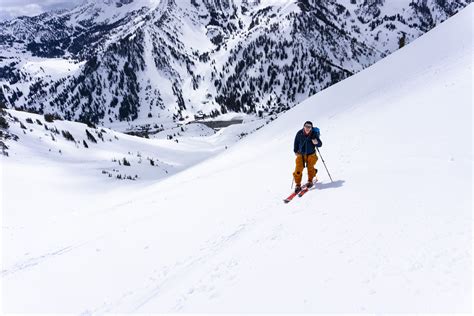
In online communities, particularly Reddit’s r/Backcountry, heli skiing is often framed as antithetical to the spirit of backcountry skiing. These forums are populated by skiers who train year-round, invest in splitboards, skin setups, and avalanche education — and who earn every turn through sweat and skill.
Heli skiers, in contrast, are often viewed as interlopers — buying access to terrain others have spent hours reaching. This has bred not just resentment, but open culture war-style divides. Gatekeeping is common, with some suggesting that heli-skiers “stick to r/skiing” rather than engaging with touring-focused discussions.
Still, others argue that there’s room for all types of snow lovers in the mountains. “It’s hard not to be happy heli skiing,” one defender wrote. The perspective here is less about ethics and more about pure joy, something that transcends financial brackets or mode of access.
Alternatives and Pro Tips: What the Experienced Recommend
For those skeptical about Powderbird’s pricing or terrain, alternatives like Ruby Mountain Heli Guides in Nevada or Chugach Powder Guides in Alaska offer more remote, less trafficked terrain at similar or slightly higher price points. Alaska trips often come with weather caveats — storms can ground helicopters for days — but also offer more expansive terrain and true isolation.
Seasoned heli-skiers recommend:
- Booking buffer days in your trip for weather delays
- Carrying a splitboard or touring setup in case of flight cancellations
- Asking guides detailed questions about terrain selection, not just snow conditions
- Choosing smaller groups for better snow quality and guide attention
Additionally, for those new to the heli experience, some suggest starting with single-run packages or “intro to heli” days that cost less and allow for evaluation before committing to a full day.
Final Take: Is Powderbird Worth It?
Powderbird Heli Ski Utah offers a polished, well-managed gateway into the high alpine world of heli-access skiing — but it’s not for everyone. If you value exclusivity, convenience, and guided safety, and you’re willing to pay for it, Powderbird delivers an unforgettable experience. But if you’re chasing untouched terrain, remote solitude, or alignment with environmentally sustainable values, you may find the operation lacking.
Ultimately, whether Powderbird is worth the cost comes down to your priorities: Are you seeking Instagrammable moments and bucket-list thrills, or do you measure success by how hard you climbed for your turns?
Powderbird doesn’t just sell a ride — it sells an idea of adventure. The question is whether that idea resonates with the skier you want to be.