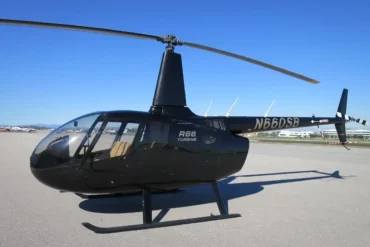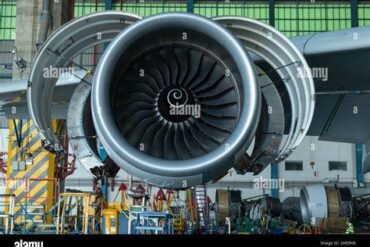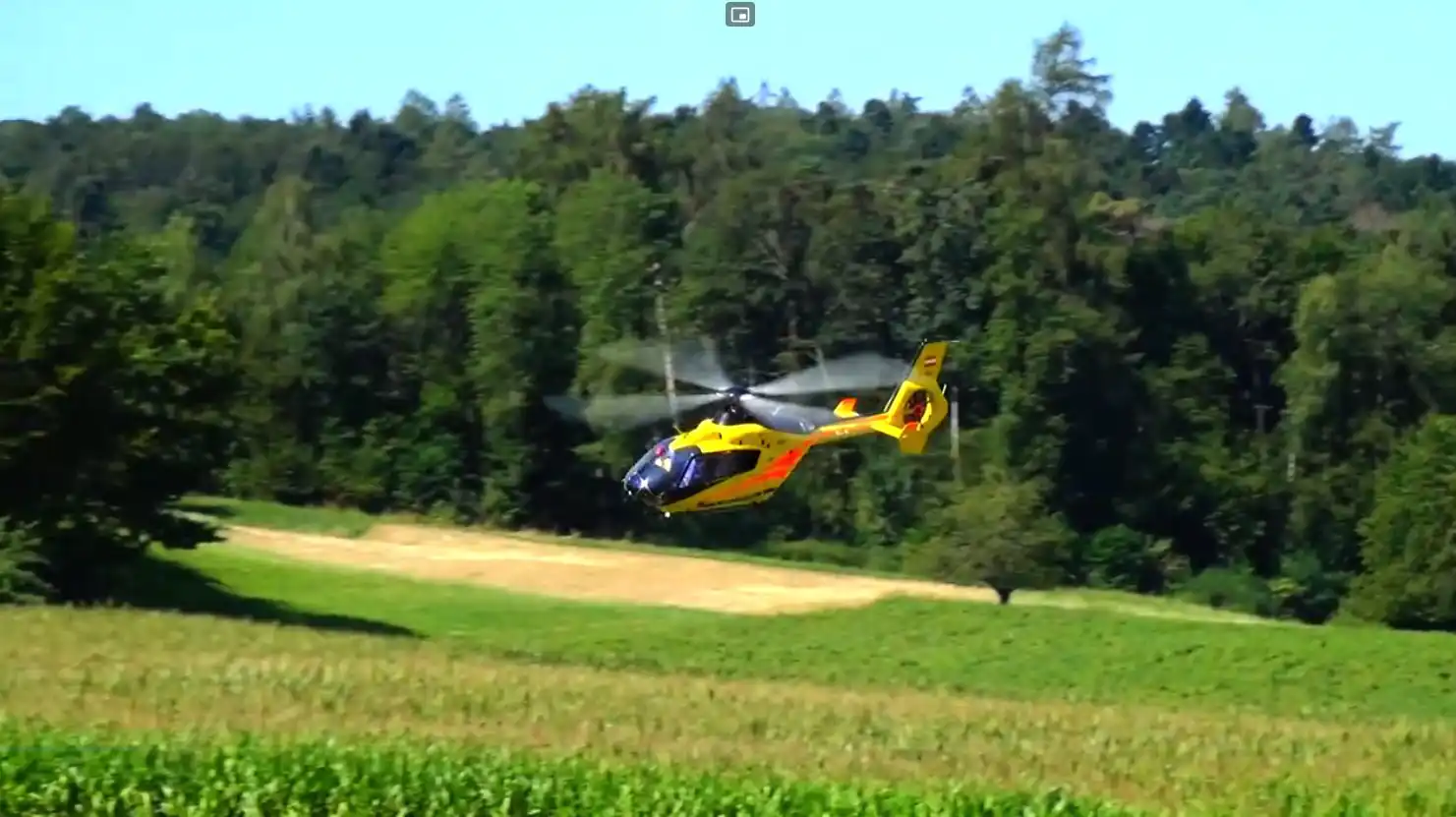
Remote-controlled (RC) helicopters have long fascinated aviation enthusiasts with their ability to mimic real-world flight in compact form. Among the most advanced propulsion systems available for RC helicopters, turbine engines stand out for their unmatched power-to-weight ratio, realistic flight characteristics, and professional-grade capabilities. These microaturized gas turbines represent the pinnacle of engineering in the RC model world, bringing the complexity and thrill of full-scale helicopter technology into the hands of skilled operators.
Unlike conventional brushless or electric motors, RC turbine engines utilize jet propulsion or turboshaft principles, similar to those found in full-sized aircraft. These engines are primarily used in large-scale or high-performance RC helicopters, such as professional aerial photography rigs, military replicas, and advanced hobbyist models that demand maximum realism and power.
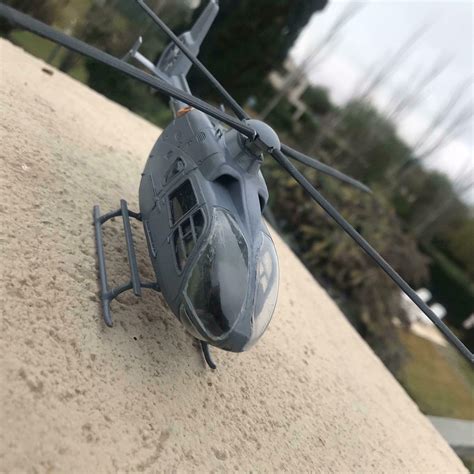
Understanding RC Turbine Engine Types
RC turbine engines come in two main categories: micro turbojet engines and turboshaft (turbine shaft) engines. Each serves different operational needs and performance levels, and both bring unique advantages to the RC helicopter landscape.
Micro Turbojet Engines
Micro turbojet engines are designed for small to medium RC helicopters, offering power outputs in the 5 to 20 kW range. These engines typically burn aviation kerosene (Jet A-1) or diesel-based fuel mixtures, and they prioritize compact form factors and direct thrust generation.
Despite their small size, micro turbojets deliver intense heat and speed, demanding robust materials and careful design for safe integration. Their straight-through jet exhaust can make them less suitable for precise control at low speeds, but their simplicity and power appeal to performance-driven hobbyists.
Turboshaft Engines
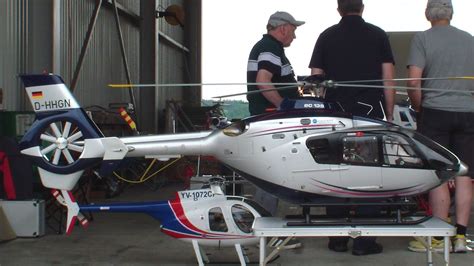
The turboshaft variant is tailored for heavy-duty RC helicopters. A notable example is the Taurus 12kW turbine engine from Switzerland’s Loorholz, capable of powering a 50 kg scale model EC135 with a 3.2-meter rotor span. Unlike turbojets, turboshaft engines use the gas turbine to drive a rotational shaft connected to the main rotor, offering smoother, more controlled power ideal for hovering and maneuvering.
Key Performance Characteristics of RC Turbine Engines
The engineering of RC turbine engines mirrors real aviation turbines but scaled down with precise calculations. Their high efficiency, superior materials, and intelligent control systems define their standout performance.
High Power-to-Weight Ratio
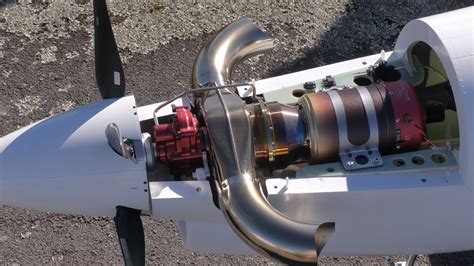
One of the most prized features of turbine engines is their exceptional power-to-weight efficiency. For example, the Taurus 12kW unit weighs only around 5 kg while producing 12,000 watts of output. This allows heavy-scale RC helicopters to lift professional payloads, including camera systems, LIDAR scanners, and telemetry gear, without compromising maneuverability.
Fuel Efficiency and Flight Duration
Turbine engines use high-density fuel such as Jet A-1 or synthetic blends, enabling longer flight times than electric setups. Where electric RC helicopters might be limited to 8-15 minutes of flight, turbine-powered models can operate for 30 minutes or more, depending on fuel tank capacity and load. This makes them particularly valuable for aerial mapping, search and rescue simulations, and long-distance missions.
FADEC-Controlled Operation
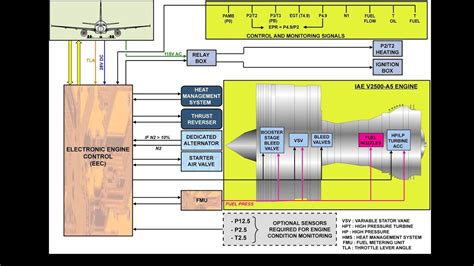
Unlike traditional throttle systems, RC turbine engines rely on FADEC (Full Authority Digital Engine Control). FADEC automatically adjusts fuel injection and rotor speed in real-time, maintaining optimal performance and preventing engine damage. This digital regulation provides unmatched engine stability, responsiveness, and safety, especially during complex maneuvers or varying altitude scenarios.
Advanced Use Cases in RC Applications
RC turbine engines are not only a marvel of engineering—they also unlock new applications in simulation, professional aviation training, and data acquisition. Their realistic performance profile enables tasks previously impossible with conventional RC platforms.
Realistic Scale Model Flight
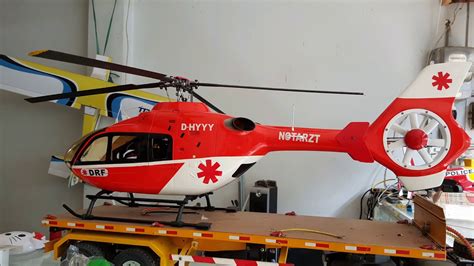
High-fidelity scale helicopters such as the EC135 with Fenestron ducted tail rotors offer incredibly accurate simulations of real-life aircraft, including rescue or police helicopters. These models can replicate intricate maneuvers like autorotation landings, banked turns, and hovering transitions, delivering aerodynamic performance that mirrors actual helicopter behavior.
Aerial Survey and Cinematography
Professional applications benefit from turbine-powered RC platforms due to their ability to carry heavy payloads such as RED or ARRI camera systems. In topographic mapping and geological surveys, these aircraft operate in high-wind, high-altitude environments where electric propulsion falls short. Their stability and power reserve make them essential tools in complex aerial data missions.
Military and Aerospace Research Models
Defense and academic institutions use RC turbine helicopters to test aerodynamic layouts, flight control algorithms, and sensor integration in compact, controlled environments. These simulations help predict full-scale aircraft behavior, train operators, and even run tactical flight rehearsals using autonomous control systems.
Critical Technical Parameters: A Case Study
Taking the Taurus 12kW engine as a benchmark, its specifications reflect the technological advancement and meticulous precision behind today’s RC turbine engines.
- Power Output: 12 kW (approximately 16 HP), sufficient for lifting 50 kg-class helicopters
- Fuel Type: Aviation kerosene (Jet A-1) or synthetic turbine fuel blends
- Rotor Speeds: Main rotor operates between 1,500 and 2,000 RPM, with tail rotors exceeding this to maintain yaw stability
- Thermal Management: Integrated cooling ducts and high-temperature alloy components mitigate thermal stress during sustained flight
Operational Considerations and Maintenance
Operating a turbine-powered RC helicopter involves significantly higher complexity and cost compared to electric or nitro models. Maintenance and piloting require a professional-level skill set, including routine inspections and specialized tuning.
Maintenance Demands
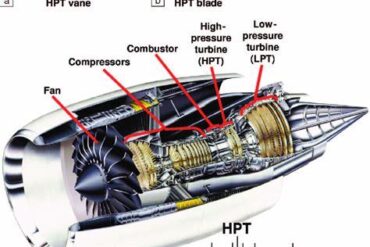
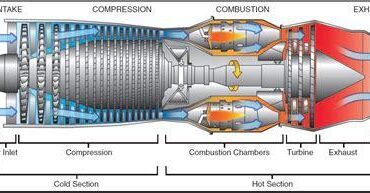
Turbine engines necessitate frequent cleaning of the compressor blades and combustion chambers to avoid degradation from dust, sand, or moisture. A particle separator is often installed at the intake to mitigate this risk. Routine inspections of the bearings, turbine shaft, and cooling system are crucial to ensure longevity and performance stability.
Handling and Flight Protocols
Pilots must avoid scenarios like the Vortex Ring State, where descending in a hover can cause airflow recirculation and engine instability. Knowledge of thermal spooling behaviors, emergency shutdown procedures, and startup sequence timing is essential for safe operation.
Cost Investment
High-end turbine engines can cost several thousand to tens of thousands of USD, placing them squarely in the professional or advanced hobbyist category. The combined cost of the engine, rotor system, avionics, and FADEC can exceed that of entry-level full-sized ultralight aircraft kits.
Future Developments in RC Turbine Technology
As materials and electronics advance, the next generation of RC turbine engines will push boundaries in efficiency, autonomy, and hybridization.
Hybrid Propulsion Systems
Hybrid systems combining electric motors with micro turbines are under active development, offering redundancy, silent cruising capability, and improved fuel economy. These setups allow for quieter operations during loitering or approach phases, particularly valuable in urban or sensitive environments.
Smart Diagnostics and Predictive Maintenance
Modern RC turbines are beginning to incorporate integrated sensors for real-time condition monitoring. This includes vibration analysis, temperature trend tracking, and self-calibrating control systems that predict failure points or service needs. These smart diagnostic frameworks enhance safety while reducing downtime.
Conclusion
RC helicopter turbine engines represent a profound leap in the performance and realism achievable in remote-controlled aviation. With their high power output, efficient fuel usage, and professional-level control systems, they serve not only as advanced hobbyist machines but also as platforms for research, training, and industrial missions. While their complexity and cost present a barrier to entry, their flight realism and operational endurance far surpass electric systems.
The future promises even more refined turbine platforms, integrating hybrid propulsion, real-time diagnostics, and smarter control modules. For those seeking the pinnacle of model aviation engineering, turbine-powered RC helicopters remain the ultimate expression of performance and precision.
FAQ
What fuel do RC helicopter turbine engines use?
RC helicopter turbines typically run on aviation-grade kerosene (Jet A-1) or specialized synthetic fuels designed for gas turbines. These fuels offer high energy density, enabling longer flight times and higher thermal efficiency compared to standard RC fuels.
How long can a turbine-powered RC helicopter fly?
Depending on the fuel tank size, payload, and engine model, turbine-powered RC helicopters can fly for 25 to 40 minutes. This significantly exceeds the capabilities of most electric-powered models, making them ideal for extended missions such as aerial photography or surveying.
Are turbine engines difficult to maintain?
Yes. Turbine engines require specialized maintenance, including cleaning the compressor, checking thermal components, and monitoring for particulate damage. Operators must also be trained to manage the engine’s startup sequence, shutdown procedures, and emergency protocols using FADEC or manual controls.