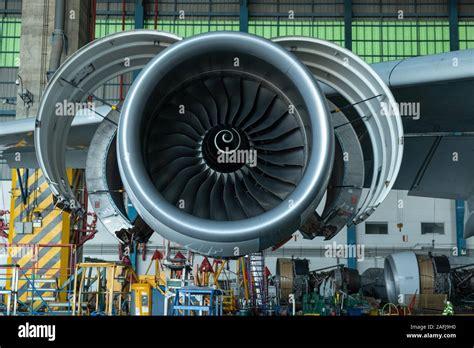
Modern aviation owes much of its speed, efficiency, and range to the airplane turbine engine, a marvel of mechanical and thermal engineering. Known for delivering high performance with relatively simple designs, these engines have become the backbone of commercial jets, military aircraft, and high-powered industrial equipment.
Unlike piston-based engines, turbine engines are internal combustion engines that generate energy through the rapid expansion of gases. Their architecture centers around a few powerful components — the rotating compressor, the combustion chamber, and the turbine itself — which work in seamless succession to convert fuel into thrust or rotational energy.
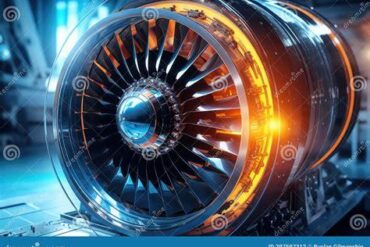
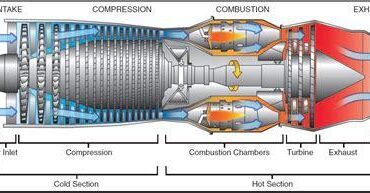
The core mechanism is as elegant as it is effective. Ambient air enters the intake, where it is drawn toward the compressor. This component rapidly pressurizes the air using a series of rotating blades. Once compressed, the air is funneled into the combustion chamber where it is mixed with fuel and ignited. The resulting explosion produces high-energy gases that spin the turbine, which in turn drives the compressor and ejects the gases out the exhaust nozzle, producing powerful thrust.
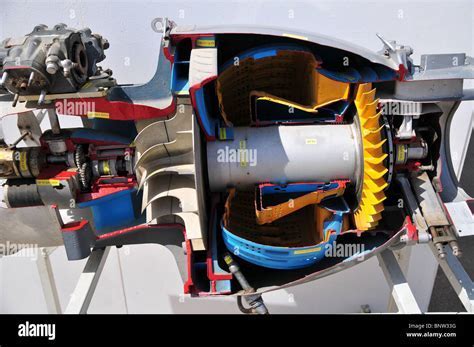
The simplicity of the turbine’s architecture belies its potency. Unlike piston engines that rely on numerous moving parts, the turbine engine’s reliance on a central rotating shaft and blade assemblies makes it lightweight, reliable, and less maintenance-intensive. This lean design allows for high power-to-weight ratios, which is especially advantageous in aerospace applications.
Types of Airplane Turbine Engines
The turbine engine is not monolithic; it comes in several variations, each optimized for specific performance profiles and use cases:
Turbojet Engines
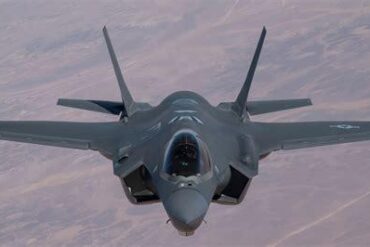
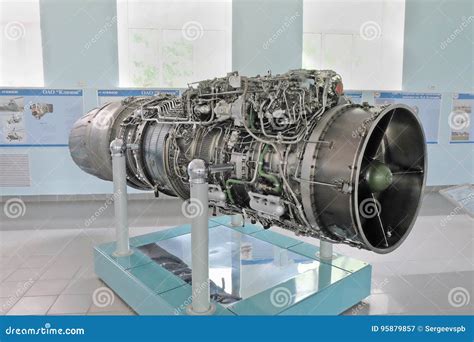
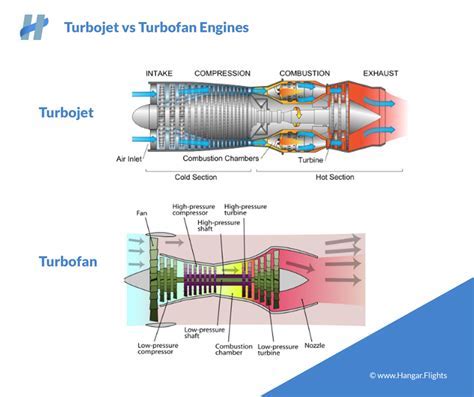
The earliest form of jet propulsion, turbojets channel all intake air through the combustion process, resulting in direct and intense thrust. Although largely replaced in commercial aviation by more efficient models, they are still used in military and experimental aircraft.
Turbofan Engines
Dominating modern commercial aviation, turbofans use a large fan at the front of the engine to direct a portion of the incoming air around the combustion chamber. This “bypass air” not only reduces noise but also improves fuel economy. High-bypass turbofans are especially favored for their quiet operation and long-range efficiency.
Turboprop Engines
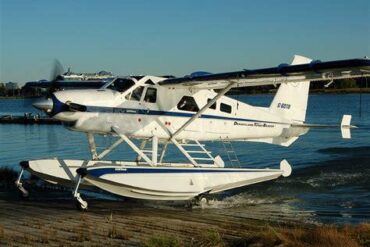
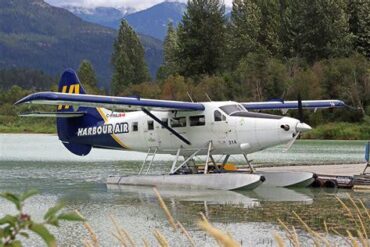
Here, the turbine’s mechanical power is used to spin a propeller. Turboprops offer superior fuel efficiency at lower speeds and altitudes, making them ideal for regional flights and smaller aircraft.
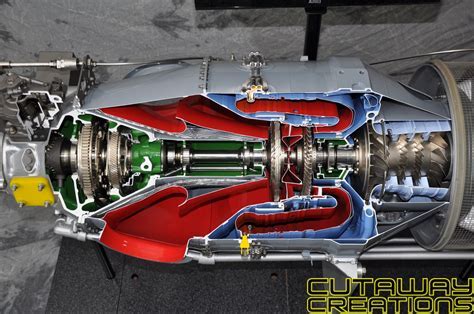
Turboshaft Engines
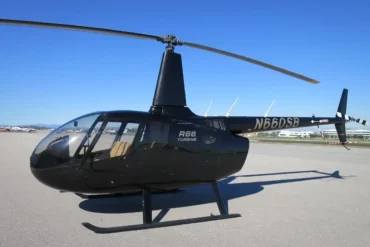
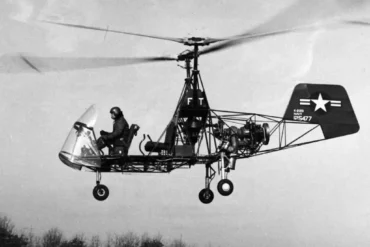
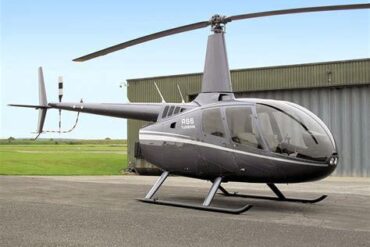
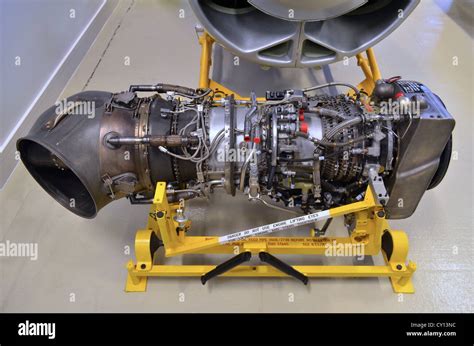
Designed primarily for rotary-wing aircraft, such as helicopters, turboshaft engines convert thermal energy into rotational power that drives rotors or auxiliary equipment. Their torque-heavy output makes them suitable for variable-speed applications.
Key Advantages of Turbine Engines in Aviation
Turbine engines deliver a host of performance benefits:
- High thrust-to-weight ratio
- Minimal moving parts, reducing failure points
- Continuous combustion, offering smoother operation
- Flexible fuel usage, compatible with jet fuel, diesel, and biofuels
These characteristics make them the go-to powerplants for aircraft needing reliability under extreme conditions and long-range performance.
The TFE731: A Workhorse in Aviation Turbine History
Among the most respected names in aviation turbine technology is the Honeywell TFE731 series. First introduced in the 1970s, this family of engines has powered thousands of mid-sized business jets. Renowned for its modular design, the TFE731 incorporates centrifugal compressors and axial turbines to deliver both performance and maintainability.
The TFE731-3, once a benchmark in private and corporate aviation, is now facing declining operational presence. However, it remains a critical part of the legacy fleet. Scheduled maintenance and parts sourcing continue to be essential for owners who rely on its dependable design.
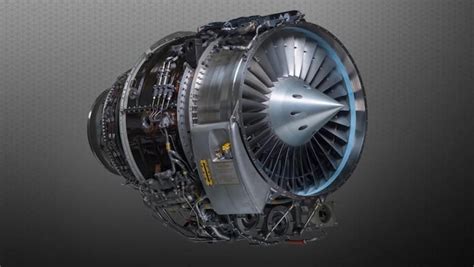
At Aviation & Marketing International (AMI), over 60,000 parts for the TFE731 are available, making it a trusted source for full-service engine support. Whether it’s maintenance scheduling or rare component sourcing, AMI supports continued operational safety and efficiency for TFE731 operators.
Comparison With Reciprocating Engines
When comparing turbine engines with traditional piston engines, the differences are both structural and performance-based. Piston engines feature a high number of moving components: valves, pistons, connecting rods, and crankshafts — all of which are subject to wear. Turbine engines, conversely, revolve around a single rotating assembly.
This not only simplifies maintenance but also makes turbine engines more resilient to high thermal loads and mechanical stress. Moreover, they function best at higher altitudes, where piston engines struggle due to thin air and compression inefficiencies.
Industrial and Marine Applications Beyond Aviation
While best known for their presence on aircraft, turbine engines also serve a wide array of other industries:
Power Generation
- Gas turbines burning natural gas or diesel provide efficient and scalable electricity production.
- Steam turbines, driven by high-pressure steam, are a cornerstone in nuclear and fossil fuel plants.
Marine Propulsion
Modern naval vessels and some high-speed ferries are powered by gas turbines that provide fast acceleration and immense power, crucial for strategic mobility and operational versatility.
Oil and Gas Sector
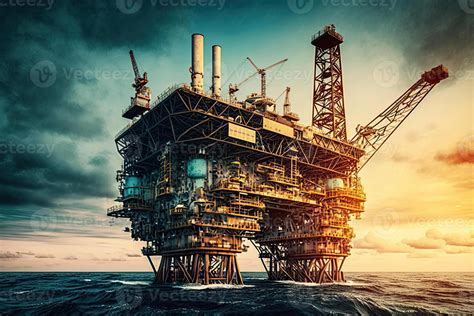
Turbine engines drive compressors and pumps in pipeline systems, ensuring energy products move efficiently across long distances.
Engineering Efficiency: Why Turbine Engines Endure
The physics of the turbine engine allows it to perform at optimal thermodynamic cycles, specifically the Brayton cycle. This continuous process of intake, compression, combustion, and exhaust gives turbine engines unmatched stability in operation.
Turbine blades, crafted from advanced alloys and ceramics, must endure extreme temperatures and pressures. Their design is a blend of aerodynamics and materials science, often using cooling channels and thermal barrier coatings to survive hostile conditions.
Iconic Aircraft Powered by Turbines
A variety of aircraft — both past and present — showcase the adaptability of turbine engines:
- Cessna Citation Series: Powered by variants of the TFE731, trusted in business aviation.
- Bombardier JetTrain: A high-speed turbine-powered train prototype.
- Mitsubishi MU-2: One of Japan’s most successful turboprop aircraft.
- Ayres Thrush: Agricultural aircraft using turbine engines for crop spraying.
- The 1950 Rover JET1: A turbine-powered experimental automobile from the UK.
Each of these demonstrates the turbine engine’s ability to scale across platforms, from land to sky.
Future of Turbine Propulsion
Innovation continues in the turbine engine space. Engineers are developing hybrid-electric turbines, biofuel-compatible combustion systems, and noise-reduction fan blades. These innovations aim to meet stringent environmental regulations without sacrificing performance.
Moreover, 3D printing and additive manufacturing are revolutionizing how turbine components are made, reducing costs and production times while improving customization and resilience.
Conclusion: A Pillar of High-Speed Propulsion
The airplane turbine engine remains a foundational technology in the transportation and energy sectors. Its combination of mechanical elegance, thermal efficiency, and unmatched thrust has made it the engine of choice for high-performance aircraft and industrial systems.
From early turbojets to modern turbofans and beyond, turbine engines represent the pinnacle of combustion-based propulsion. As global industries continue to seek efficient, reliable, and sustainable solutions, turbine engines will evolve — but their core principles, forged in the heat and force of expanding gases, will endure.