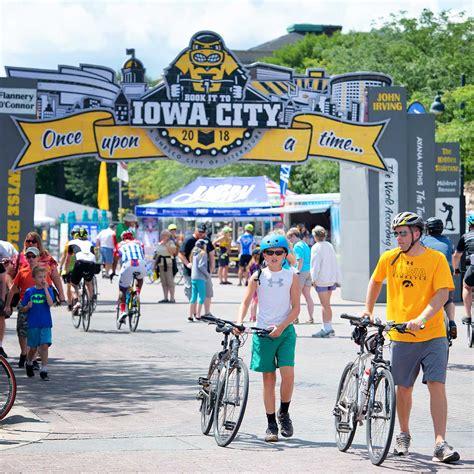
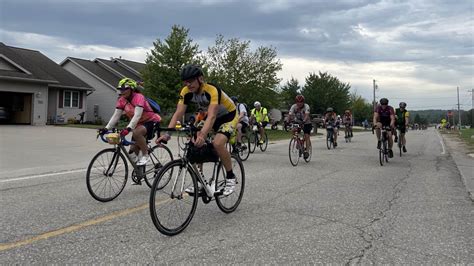
The Register’s Annual Great Bicycle Ride Across Iowa (RAGBRAI) isn’t just an event; it’s a cultural phenomenon that has redefined the economic landscape of Iowa. As the world’s oldest and largest recreational bicycle tour, RAGBRAI attracts tens of thousands of cyclists from across the globe each year. Beyond the scenic beauty of Iowa, this annual cycling adventure is an incredible economic engine, stimulating growth in local businesses and tourism. With its rich history and community spirit, RAGBRAI has become a vital part of Iowa’s identity, creating benefits that extend well beyond the week of the event.
Economic Benefits of RAGBRAI to Iowa Communities
RAGBRAI’s economic impact on Iowa communities is nothing short of astounding, generating approximately $25 million annually for the local economies of the towns it visits. This influx is primarily driven by the spending habits of cyclists who stay overnight in these towns. Riders indulge in a variety of services, including accommodations, meals, drinks, souvenirs, and other merchandise. Furthermore, the families and support crews accompanying the cyclists also contribute significantly to the local economy, amplifying the overall effect.
The economic benefits manifest themselves across various local businesses, including:
- Restaurants and cafes
- Hotels and motels
- Gas stations
- Retail shops
Since its inception, RAGBRAI has fostered a symbiotic relationship between the event and the communities that host it. Organizers collaborate with local governments, businesses, and residents to ensure smooth operations. Communities along the route engage in hosting various events, such as live music performances, festivals, food stands, and cultural exhibitions, which further enhance the festive atmosphere. This vibrant environment not only draws cyclists but also non-cycling visitors who come to partake in the celebrations and soak in the unique spirit of RAGBRAI.
A Long-Term Economic Impact
Beyond the immediate financial boost, RAGBRAI plays a pivotal role in fostering long-term tourism for Iowa. Many visitors who experience Iowa’s charm and hospitality return year after year, while others may explore the state’s numerous attractions during subsequent visits. A significant aspect of RAGBRAI’s legacy is its ability to promote local businesses and spotlight the unique characteristics of each town along the route. Communities leverage RAGBRAI as a platform to showcase their local shops, museums, and parks, forging lasting relationships with visitors who may not have otherwise explored these areas.
Moreover, the event instills a profound sense of pride among local residents. As communities prepare for RAGBRAI, they focus on enhancing local infrastructure, improving public spaces, and fostering community spirit. These improvements create a lasting legacy that enhances the quality of life for residents and transforms these towns into even more inviting destinations for future tourists. In essence, RAGBRAI serves as a springboard for a broader and more sustainable tourism strategy, extending its benefits well beyond the event itself.
Community Involvement and Engagement
At its heart, RAGBRAI embodies the spirit of community engagement. The event thrives on the camaraderie of the people involved as much as on the cycling itself. Residents along the route go above and beyond to welcome cyclists, offering homemade snacks, providing water stations, and cheering them on as they pass through their towns. This warm atmosphere is one of the defining features of RAGBRAI, and riders often cite the friendly nature of Iowans as a primary reason for their return.
The connections formed during RAGBRAI are tangible. It’s not merely about completing the ride; it’s about shared experiences with fellow cyclists and the bonds established along the way. Cyclists frequently stop at local diners, engage in conversations with residents, and learn about the history and culture of each town they traverse. These interactions cultivate a sense of belonging and forge enduring connections between visitors and locals. This camaraderie is believed to be a key factor in RAGBRAI’s enduring success year after year.
Supporting Local Businesses and Entrepreneurs
The impact of RAGBRAI is particularly pronounced for small business owners situated along the route. Local shops, restaurants, and service providers experience a significant surge in business as riders and their support crews converge for overnight stays. Many entrepreneurs report that RAGBRAI represents their busiest time of the year, with some businesses depending on the event to generate a substantial portion of their annual revenue.
In addition to increased sales, RAGBRAI offers local businesses a chance to build lasting relationships with visitors. Restaurants and food vendors often attract returning cyclists, who become loyal customers and recommend these establishments to fellow riders. Some businesses take it a step further by introducing RAGBRAI-themed products, such as custom apparel, local goods, and souvenirs, thereby enriching the local economy.
Take, for example, Matt Buffington, a local business owner in Cedar Falls, Iowa. He emphasizes that RAGBRAI brings a significant increase in foot traffic to his establishments. However, it’s not just about the numbers; he values the personal connections made during the event, learning about the diverse experiences riders have had and their impressions of the local community.
Fostering Sustainable Tourism Practices
RAGBRAI exemplifies effective sustainable tourism practices. Unlike many large-scale events that can overwhelm small communities, RAGBRAI has been carefully designed to prioritize the sustainability of both the local environment and economy. The event promotes eco-friendly practices, including waste reduction and resource conservation, while simultaneously highlighting the health benefits of cycling and outdoor recreation.
As RAGBRAI has evolved, the organizers have remained committed to ensuring that the growth it brings to Iowa is sustainable. Towns along the route emphasize maintaining their local charm, enhancing infrastructure in ways that benefit both residents and tourists, and preserving their natural surroundings. The result is a sustainable boost to tourism that enables local economies to thrive without compromising the cultural and environmental integrity of Iowa’s rural towns.
Conclusion: RAGBRAI’s Lasting Legacy
RAGBRAI transcends being just a bike ride; it is a cornerstone of Iowa’s tourism and economic landscape. People from all walks of life unite to enjoy Iowa’s breathtaking landscapes, forge deeper connections between visitors and hosts, and create economic opportunities for communities along the route. With a strong emphasis on sustainable tourism, community involvement, and the empowerment of local businesses, RAGBRAI serves as a model for how large events can catalyze growth in small-town economies while preserving the unique cultural and environmental attributes of the area.
As RAGBRAI continues its rich tradition, its role in shaping Iowa’s tourist landscape and providing economic uplift for various local economies will only grow. Clearly, it is much more than just an enjoyable event; it is an indispensable force that nurtures communities, stimulates economies, and honors the people and places that make Iowa special.