The idea of transforming the legendary Iowa-class battleships into aircraft carriers stands as one of the most ambitious naval concepts ever studied by the United States Navy. Born from a period of rapid technological change, the proposal reflected a struggle to reconcile battleship-era firepower with the growing dominance of naval aviation. While the concept promised unmatched versatility, it ultimately collapsed under the weight of economics, engineering realities, and shifting doctrines of modern warfare.
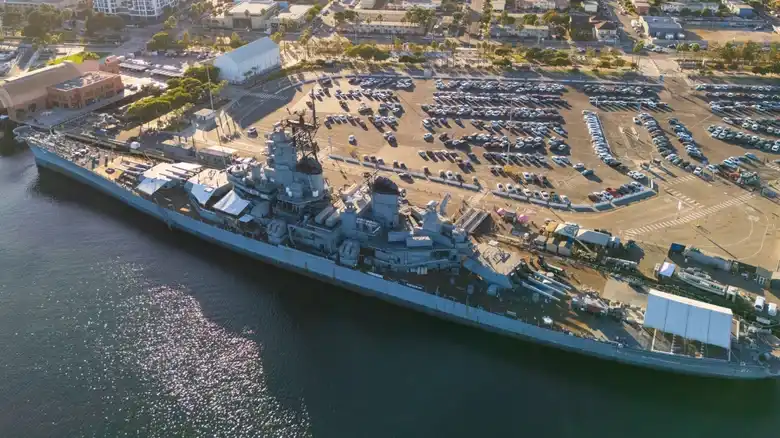
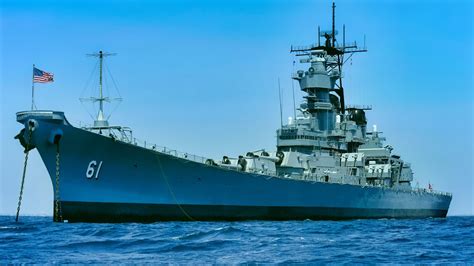
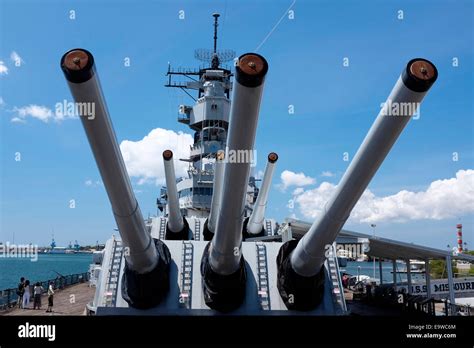
Commissioned beginning in 1943, the Iowa-class battleships were masterpieces of industrial-era naval design. USS Iowa, New Jersey, Wisconsin, and Missouri combined speed, armor, and the devastating punch of nine 16-inch guns, making them symbols of American sea power throughout World War II and beyond. Their unusually long service lives—stretching into the Korean War, Vietnam, and even the First Gulf War—invited repeated efforts to keep them relevant in an evolving threat environment.
By the late Cold War, naval planners faced a stark reality: aircraft carriers had become the undisputed capital ships of modern navies. Battleships, no matter how powerful their guns, lacked the reach and flexibility of airpower. Rather than discard the Iowas entirely, the Navy explored a radical hybrid—the so-called “battlecarrier.”
The proposed conversion was dramatic. Planners envisioned removing the aft gun turrets and replacing them with a full-length flight deck and hangar facilities. This new configuration would allow the ship to operate AV-8B Harrier II jump jets, helicopters, and even the tiltrotor V-22 Osprey. With space for nearly 800 Marines, the Iowa-class battlecarrier would blur the line between battleship, light carrier, and amphibious assault ship, offering unprecedented multi-mission capability.
On paper, the idea seemed brilliant. The Iowa-class hulls were fast, heavily armored, and already proven in combat. A hybrid platform could deliver naval gunfire support, launch aircraft, and project Marines ashore—all from a single hull. Yet the deeper engineers dug into the concept, the more daunting it became.
Adding a flight deck to a structure never designed for aviation operations introduced immense technical challenges. Everything aft of the superstructure would need to be removed and rebuilt. Structural reinforcements were required to handle the constant stresses of aircraft landings, takeoffs, and hangar operations. Heat management, aviation fuel storage, blast deflectors, and deck elevators all demanded extensive redesign. The price tag soared far beyond initial estimates, erasing any perceived cost advantage over building new ships from scratch.
Crew requirements delivered another fatal blow. A converted Iowa-class battlecarrier would still need personnel to operate its massive guns while also supporting a full aviation detachment. Estimates exceeded 2,000 sailors, making the ship extremely expensive to operate at a time when the Navy was already under pressure to streamline costs and manpower.
Instead of pursuing the battlecarrier dream, the Navy chose a more practical path. During the 1980s, the Iowa-class ships underwent extensive modernization as part of President Ronald Reagan’s 600-ship Navy initiative. Their transformation focused on missiles and sensors rather than aircraft.
Tomahawk cruise missiles gave the battleships a strike range exceeding 1,800 miles, turning them into strategic land-attack platforms. Harpoon anti-ship missiles expanded their reach against surface threats, while Phalanx CIWS systems provided last-ditch defense against incoming missiles. Advanced radar and fire-control systems integrated the aging giants into a modern, networked battlefield.
This modernization paid dividends during Operation Desert Storm. Although USS Iowa was sidelined after a tragic turret explosion during training, her sister ships demonstrated the enduring relevance of the class. They launched cruise missiles deep into Iraq, struck targets near Baghdad, and delivered massive naval gunfire support along the coast. One Iraqi armored column was obliterated by a 24-round barrage—among the final combat shots ever fired by an American battleship.
Despite these successes, time was unforgiving. The Iowa-class hulls were aging, maintenance costs climbed, and newer ships offered superior capabilities with fewer compromises. Aircraft carriers, submarines, and missile destroyers defined the future, leaving little room for hybrid experiments rooted in past eras.
By 1992, the last Iowa-class battleship was decommissioned, closing the door on both their storied service and the unrealized battlecarrier vision. The concept failed not because it lacked imagination, but because modern naval warfare demanded specialization over nostalgia. The Iowa-class aircraft carrier remains a fascinating “what if”—a reminder that even the most powerful legends must eventually yield to changing tides.