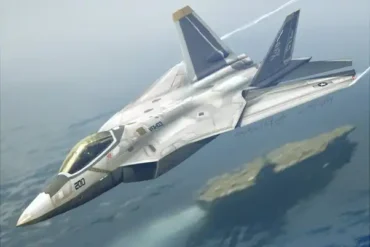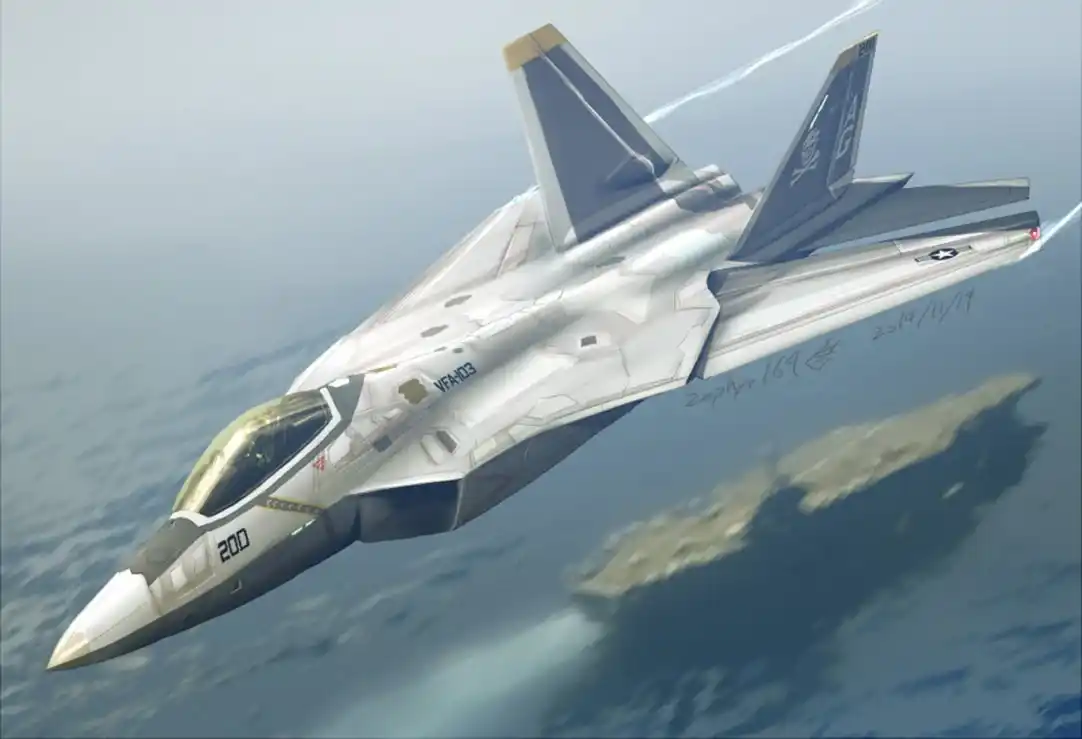
The F-22 Raptor remains one of the most formidable air superiority fighters in the world. However, lesser known is its proposed naval variant, the F-22N, which was intended to serve as a carrier-based aircraft for the United States Navy. This concept was part of the Naval Advanced Tactical Fighter (NATF) program, aimed at replacing the aging F-14 Tomcat. Despite promising technological advancements, the project was ultimately canceled due to a combination of cost, technical difficulties, and strategic shifts within the U.S. military.
Development and Strategic Vision
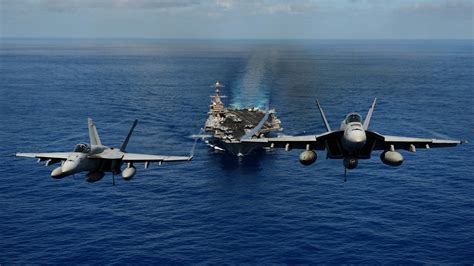
During the late 1980s and early 1990s, the U.S. Navy sought to modernize its fleet with a fifth-generation stealth fighter capable of outperforming enemy aircraft and operating effectively from aircraft carriers. The NATF program emerged as a counterpart to the U.S. Air Force’s Advanced Tactical Fighter (ATF) program, which ultimately led to the development of the Lockheed Martin F-22 Raptor.
The F-22N was conceived as a carrier-based variant of the Raptor, incorporating essential modifications for naval aviation. These included structural reinforcements, revised aerodynamics, and specialized landing gear to withstand the harsh conditions of carrier operations.
Design Adaptations for Carrier Use
To enable operations from aircraft carriers, the F-22N required several fundamental changes:
- Variable-Sweep Wings: The F-22N was expected to feature swing-wing technology, similar to the F-14 Tomcat. This design would have allowed it to optimize performance at both high and low speeds, essential for carrier takeoffs and landings.
- Strengthened Airframe and Landing Gear: Carrier-based aircraft endure extreme stress during arrested landings and catapult launches. The F-22N needed a significantly reinforced structure to withstand such conditions.
- Tail Hook and Arrestor System: A modified tail hook was necessary for carrier landings, requiring extensive redesign to integrate it seamlessly with the aircraft’s stealth characteristics.
- Foldable Wings: To accommodate tight carrier deck spaces, the wings would need to fold, a common feature among naval aircraft.
Despite these proposed enhancements, the challenges of adapting the F-22’s airframe to a naval environment proved daunting.
Reasons for Cancellation
While the F-22N concept had strategic merit, it faced insurmountable obstacles that led to its termination. Several key factors contributed to the decision to abandon the project:
1. Technical and Design Challenges
The F-22 Raptor was meticulously designed for stealth and high maneuverability. Adding a folding wing mechanism and variable-sweep wings would have altered its aerodynamics, potentially compromising its stealth capabilities. The required modifications would have necessitated a complete airframe redesign, significantly increasing development complexity and cost.
Additionally, naval fighters endure extreme stress due to carrier landings, which require more robust landing gear. Reinforcing the F-22N’s airframe would have added significant weight, possibly degrading its speed and agility—one of the Raptor’s defining advantages.
2. Excessive Costs and Budget Constraints
The F-22 program was already among the most expensive fighter development projects in history, with unit costs exceeding $200 million per aircraft. Adapting the F-22 into a carrier-based platform would have required even more substantial investment, making it financially prohibitive.
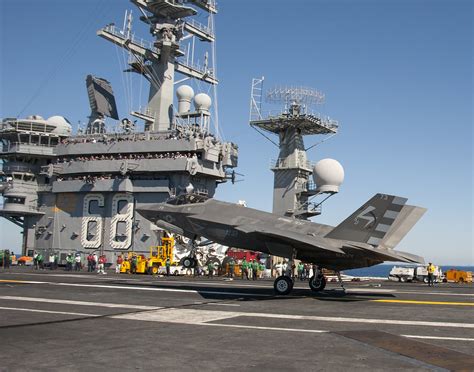
At the same time, the U.S. military was prioritizing a more cost-effective and versatile solution: the F-35 Lightning II program. With the F-35C specifically designed for carrier operations, the need for a navalized F-22 diminished.
3. Strategic Shift Toward Multirole Fighters
The F-22N was envisioned primarily as an air superiority fighter, much like the land-based Raptor. However, the U.S. Navy sought a multirole platform capable of conducting strike missions, electronic warfare, and reconnaissance—roles beyond pure dogfighting. The F-35C, despite being slower and less maneuverable than the F-22, offered advanced sensors, electronic warfare capabilities, and improved integration with naval operations.
Given these factors, military leadership chose to redirect resources to the F-35 program, effectively ending the F-22N proposal before it could advance to the prototype stage.
Legacy and Influence
Although the F-22N was never built, the research and technological advancements from the program influenced future naval aircraft development.
- F-35C Adaptations: The F-35C, the carrier-variant of the Joint Strike Fighter, benefited from lessons learned during the F-22N studies.
- Stealth and Avionics Integration: The stealth technologies and advanced avionics developed for the F-22 have been incorporated into modern naval aircraft, including potential next-generation carrier fighters.
- Future Naval Fighters: The U.S. Navy is now exploring sixth-generation fighter concepts, such as the Next Generation Air Dominance (NGAD) program, which may incorporate stealth and high-performance maneuverability similar to what the F-22N aimed to achieve.
Conclusion
The F-22N Naval Advanced Tactical Fighter was an ambitious attempt to adapt the world’s premier air superiority fighter for carrier operations. Despite its advanced capabilities, it faced overwhelming design, cost, and strategic challenges. The emergence of the F-35C and shifting defense priorities ultimately rendered the project impractical.
While the F-22 remains a cornerstone of U.S. air dominance, its naval counterpart was relegated to history as an unbuilt concept. Nonetheless, its technological influence lives on in modern and future aircraft development.
Frequently Asked Questions
1. Why was the F-22N canceled?
The F-22N was canceled due to a combination of technical difficulties, excessive costs, and shifting military priorities. The necessary modifications to make the F-22 carrier-compatible would have compromised its stealth and performance, while the emergence of the F-35C provided a more practical solution.
2. Could the F-22N have been superior to the F-35C?
In terms of air superiority and maneuverability, the F-22N would have outperformed the F-35C. However, the F-35C offers superior multirole capabilities, advanced avionics, and better integration with modern naval operations, making it a more viable choice for the U.S. Navy.
3. Is there a possibility of a future naval fighter inspired by the F-22N?
Yes, the Next Generation Air Dominance (NGAD) program aims to develop a sixth-generation fighter that could potentially incorporate stealth, high-speed capabilities, and carrier compatibility. While the F-22N itself was never built, its design philosophy could influence future naval aviation advancements.