
What is Glamping and Why is it Trending Now?
Glamping, or glamorous camping, has evolved from a niche interest among eco-conscious travelers into a multi-billion-dollar industry. As travelers increasingly seek authentic experiences and sustainable options, glamping meets these demands by offering immersive, eco-friendly escapes. With the rise of the experience economy and the post-pandemic emphasis on private, low-impact travel, the allure of glamping has never been stronger.
The Ministry of Tourism in India and various hospitality analysts have identified glamping as one of the most significant emerging trends in travel. It resonates deeply with the desire for meaningful and memorable experiences that are intimately connected with local culture and nature.
India’s Rising Glamping Landscape
India is at the forefront of the glamping revolution, with diverse offerings tailored for every type of traveler. Some standout destinations include:
- Jawai (Rajasthan): Ideal for wildlife enthusiasts and desert romantics seeking an intimate experience with nature.
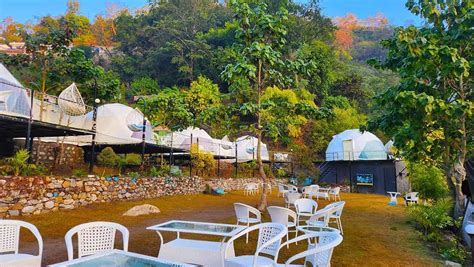
- Glamping by the Ganges (Rishikesh): Merging spirituality with luxury, this destination attracts those looking to rejuvenate their mind and body.
- Wayanad (Kerala): A haven for couples who cherish nature and tranquility.
- Satpura National Park (Madhya Pradesh): Experience forest luxury amidst tiger reserves, where adventure meets comfort.
- Kodagu (Coorg, Karnataka): Explore the enchanting Western Ghats while indulging in upscale camping experiences.
- Chilika and Daringbadi (Odisha): Embrace eco-retreats with starlit beach stays that promote environmental sustainability.
- Sundarbans (West Bengal): Offering easy-to-luxury mangrove safaris that immerse guests in breathtaking landscapes.
The Indian government recognizes glamping as a vital tool for rural development, employment generation, and cultural preservation. Initiatives in states like Gujarat and Odisha aim to decentralize tourism, easing pressure on overcrowded heritage sites while fostering local economies.
Global Expansion: The Silent Shattering Outdoor Revolution
Across the world, communities and governments are capitalizing on the glamping trend to stimulate local economies and promote sustainability. In Khyber Pakhtunkhwa, Pakistan, for instance, authorities are transforming national parks into eco-glamping havens, ensuring profit without compromising the integrity of delicate mountain ecosystems. Indigenous-led glamping lodges in British Columbia, Canada, provide immersive cultural experiences while educating visitors about environmental stewardship.
In the United States, states like Utah and Tennessee are leveraging luxury camping as a facet of responsible tourism. With breathtaking natural reserves such as Zion and Bryce Canyon nearby, glamping is becoming an integral part of park expansion and visitor engagement. Similarly, in Costa Rica and the Swiss Alps, a portion of glamping profits is earmarked for conservation efforts, reinforcing the commitment to preserving the environment. This adaptability to local cultures and ecologies distinguishes glamping from traditional mass tourism.
The Economic Impact of Glamping: A Multiplier Effect
The economic implications of glamping are profound, yielding a higher return on investment per traveler compared to conventional hotel stays. Reports indicate that a single glamping unit can generate four to six times the local revenue of a standard hotel room, thanks to longer guest stays and on-site activities such as guided hikes and artisanal meals. This model is particularly beneficial for rural economies, where up to 40% of revenue from luxury camping stays remains within local communities through employment and food supply chains.
Furthermore, glamping sites are driving entrepreneurship, creating jobs not only in tourism but also in sectors like carpentry, horticulture, logistics, and storytelling. For example, in Odisha’s eco-retreats, 70% of the staff consists of locals, many of whom are first-time earners from tribal backgrounds. Artisans are increasingly employed to craft sustainable, locally made furniture, reviving traditional crafts while generating direct income for communities.
Environmental Considerations: A Sustainable Approach
One of the most significant advantages of glamping is its minimal environmental impact. Many glamping sites prioritize sustainability, employing practices such as solar power, composting toilets, and using natural materials. In regions like Wayanad and Satpura, forest departments collaborate with companies to ensure that glamping operations adhere to strict carrying-capacity guidelines, mitigating any potential negative effects on local ecosystems. In the United States, the National Park Service actively monitors glamping’s impact on local flora and water tables, ensuring that natural resources are preserved for future generations.
The Youth Factor: Tech-Savvy Travelers and Conscious Choices
Millennial and Gen Z travelers, now the largest demographic in the global travel market, are driving demand for experiences that align with their values. Attributes like Instagrammable spots, eco-friendliness, and health-conscious options play a crucial role in their travel decisions. The rise of digital platforms has made booking glamping experiences more convenient, while government tourism portals increasingly feature certified glamping sites alongside traditional hotels. This democratization of luxury camping means that glamping is more accessible than ever, appealing to a broader audience.
Cultural Revival Through Glamping
Glamping transcends being just a new form of hospitality; it serves as a cultural revival platform. In Rajasthan, glamping experiences often include folk music nights and block-printing lessons, immersing guests in local traditions. In the Sundarbans, travelers can enjoy tea while listening to local tales, fostering an empathic relationship between hosts and visitors. Governments view glamping as a form of soft diplomacy, showcasing regional heritage while alleviating the strains of over-tourism.
Cautionary Tales: The Need for Regulation
Despite the numerous benefits, the rapid proliferation of glamping requires careful planning and regulation. Unregulated tourism practices have led to environmental challenges, as seen in the landslides in Wayanad in 2024. Experts emphasize the importance of zoning laws, waste management, and site-specific environmental assessments to prevent the mistakes made by mass tourism. Policymakers are re-evaluating the frameworks needed to ensure that this flourishing industry does not compromise the very ecosystems it seeks to celebrate.
Conclusion: A Purposeful Journey Under the Stars
From the romantic streets of Paris to the serene banks of the Ganges in Rishikesh, glamping is reshaping the way we travel, where we choose to stay, and what we value in our experiences. It encapsulates a rare blend of tranquility and sophistication, allowing travelers to immerse themselves in nature while enjoying the comforts of modern living. As society strives to reconnect with the earth amid environmental challenges, glamping stands as a gentle reminder that we can embrace and celebrate nature without sacrificing convenience and luxury. It is not merely a vacation; it represents a vision for a more meaningful, inclusive, and sustainable future in tourism.