
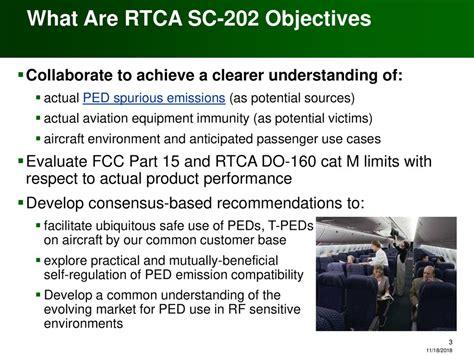
RTCA, originally known as the Radio Technical Commission for Aeronautics, is a private, not-for-profit organization. It focuses on creating consensus-based recommendations regarding communications, navigation, surveillance, and air traffic management (CNS/ATM) systems. Acting as a Federal Advisory Committee, RTCA responds to requests from the Federal Aviation Administration (FAA). Its goal is to develop comprehensive recommendations that are vetted by industry experts. These recommendations cover everything from technical performance standards to operational concepts for air transportation.
Founded in 1935 and re-incorporated in 1991, RTCA now has over 300 members from government, industry, and academia. These members come from the United States and around the world, representing various sectors of the aviation community. This includes government organizations, airlines, airspace users, airport associations, trade unions, and suppliers of aviation services and equipment.
Among its U.S. members are prominent organizations like the Federal Aviation Administration, the Air Line Pilots Association, and major companies such as Boeing and Lockheed Martin. The diverse membership reflects the broad interests of the aviation industry. Additionally, RTCA’s international reach includes over 100 members from various countries, such as Airservices Australia, Bombardier Aerospace, and the European Aviation Safety Agency (EASA).
RTCA collaborates closely with the European Organisation for Civil Aviation Equipment (EUROCAE), which performs similar functions in Europe. This partnership helps ensure that aviation standards are consistent and effective across different regions.