In a shocking turn of events, a British holidaymaker recently had their dream vacation in Spain transformed into a nightmare when they fell victim to a sophisticated online scam. The traveler, excited for a well-deserved getaway, had booked what appeared to be the perfect rental property through a seemingly legitimate travel website. Upon arrival in Spain, however, they discovered that the property they had reserved did not exist, leading to a devastating loss of £1,000. This incident highlights the increasing dangers that travelers face due to the rise of fraudulent schemes and scams, particularly in popular tourist destinations like Spain.
The fraudulent activity does not stop here; it serves as a stark reminder of the urgent need for vigilance among travelers. Despite promptly reporting the incident to both the police and their bank, the victim’s attempts to recover the lost funds proved futile. This particular case is just one among many, showcasing a troubling trend where unsuspecting tourists find themselves at the mercy of sophisticated fraudsters who exploit the excitement and naivety of holidaymakers.

The Growing Threat of Travel Scams
Recent statistics reveal an alarming rise in scams targeting British holidaymakers. A survey conducted by Compare the Market unearthed startling data indicating that nearly 30% of UK travelers have either fallen victim to a scam or witnessed suspicious activity while abroad. Among younger travelers, specifically those aged 16 to 34, this figure escalates to 46%, underscoring the heightened vulnerability of this demographic. The evolution of scams has made them increasingly difficult to detect, with fake booking websites and phishing attempts becoming prevalent in tourist hotspots. This alarming trend necessitates heightened awareness and proactive measures from both travelers and authorities.
The Mechanics of Fraudulent Websites
One of the most common tactics employed by fraudsters involves the creation of fake booking websites designed to mimic reputable travel brands. These deceptive sites often feature attractive deals that lure unsuspecting tourists into making payments for flights or accommodations that ultimately never materialize. According to reports, more than 12% of British travelers have fallen prey to such scams, leading to significant financial losses. While some victims report smaller sums being taken, others have experienced far larger losses, similar to the unfortunate individual who lost £1,000 in this recent incident.
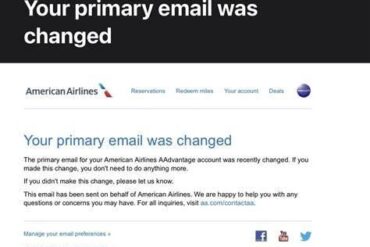
In addition to fake websites, fraudsters are also adept at using phishing traps. Criminals posing as airlines or hotels often utilize emails or text messages to trick potential victims into divulging sensitive payment information. Victims of these scams typically lose an average of £75, with little hope of recovering their funds once the information is shared.
Traditional Scams Still Persist
While online scams have surged in popularity, traditional tourist traps remain a persistent issue for travelers. For example, a staggering 32% of holidaymakers reported overcharging by taxi drivers, particularly in airport settings or on busy streets. In these scenarios, drivers frequently claim their meters are malfunctioning, instead demanding flat fees that often exceed normal rates. On average, travelers find themselves overcharged by approximately £16.59 for these rides.
Street vendors also contribute to the ongoing problem, with around 20% of British tourists admitting to being misled into purchasing overpriced or counterfeit goods. Items marketed as genuine leather or handmade often turn out to be of substandard quality, resulting in inflated costs for unsuspecting buyers. Restaurants, too, are notorious for overcharging customers, with 18% of travelers reporting similar experiences. Common tactics include adding unauthorized items to bills or inflating prices without justification. While about 25% of travelers successfully challenge these inflated charges, over half simply opt to pay the higher amounts to avoid confrontation.
Essential Tips for Protecting Yourself From Scams
As travel-related scams continue to proliferate, experts emphasize the importance of taking extra precautions when planning trips. Here are several strategies that can help safeguard travelers against falling victim to fraud:
- Verify Booking Websites: Always confirm the legitimacy of a website before entering any payment details. Look for security indicators such as “https://” in the URL and a lock symbol in the browser. If a deal appears too good to be true, it likely is.
- Avoid Suspicious Emails and Texts: Remain cautious of unsolicited communications from purported airlines, hotels, or travel providers. Do not click on links or share personal information unless you are certain of the source’s authenticity.
- Use Trusted Transport Services: When hailing taxis or using ride-sharing apps, stick to reputable services. Whenever possible, utilize official airport taxis or pre-book transportation through trusted platforms.
- Examine Restaurant Bills Carefully: Always scrutinize your bill before making payment. If discrepancies arise or charges appear for items you didn’t order, seek clarification or challenge the charges.
- Utilize Credit Cards for Payment: Credit cards typically offer better fraud protection compared to cash, making them a safer option for international transactions. Avoid using cash for substantial purchases, particularly with street vendors or unlicensed taxi services.
The Economic Impact of Travel Scams
The repercussions of rising travel scams extend beyond individual losses; they also pose significant economic and reputational risks for affected countries. Destinations such as Spain, Greece, and Turkey, which heavily rely on tourism, may experience declining visitor numbers if tourists continue to feel unsafe or distrustful of the travel environment. For many, the threat of being scammed becomes a constant worry. As the sophistication of these scams increases, it is imperative for travelers and authorities to remain vigilant and informed to mitigate the impact of fraudulent activities on the tourism industry.
In conclusion, the dream holiday of a lifetime to Spain was shattered for one unfortunate traveler who was defrauded out of £1,000 after attempting to book a non-existent property on a fraudulent travel website. This disheartening trend underscores the escalating risk of scams targeting unsuspecting travelers. As the global travel landscape continues to rebound, it is crucial for governments, travel providers, and tourists alike to implement proactive measures to ensure that holiday experiences are positive and devoid of the distress caused by fraud.