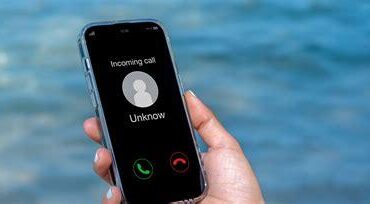
Millions of travelers rely on Google to quickly find airline customer service during stressful flight disruptions. Unfortunately, that habit is becoming an increasingly profitable opportunity for cybercriminals. Scammers impersonating American Airlines customer support are exploiting sponsored Google search advertisements to trick passengers into calling fake phone numbers instead of the airline’s legitimate customer service. The sophisticated fraud has already cost victims thousands of dollars, highlighting how online impersonation scams continue evolving alongside digital advertising platforms.
Passengers searching for assistance with canceled flights, refunds, itinerary changes, or booking issues are especially vulnerable because they often need immediate answers. Fraudsters understand that urgency leads many travelers to click the first search result without carefully verifying whether it belongs to the airline. By purchasing advertisements that closely resemble official listings, criminals place convincing fake support numbers above genuine search results, dramatically increasing the chances that anxious customers will contact them instead of American Airlines.
Rather than resolving travel problems, the impostors begin carefully scripted conversations designed to build trust. They often sound knowledgeable about airline procedures, use professional language, and confidently discuss reservations, flight credits, and refunds. Once credibility has been established, victims are persuaded to provide credit card details, banking information, or direct payments under the false promise of processing refunds or modifying reservations.
How One Passenger Lost More Than $2,000 to Fake Airline Support
A recent case illustrates just how convincing these schemes have become. According to reporting by ABC15 Arizona, a Phoenix passenger searched online for American Airlines customer service after her flight was canceled. Believing she had reached the airline, she spoke with individuals who claimed to be customer service representatives helping arrange a refund after she accepted an alternate flight.
Instead, she had unknowingly contacted professional scammers. The fraud reportedly continued for months without raising immediate suspicion. During that time, the fake representatives convinced her to pay $1,010 while supposedly processing her rebooking. Later, they demanded another $1,010, falsely claiming the additional payment was required before releasing a $2,020 refund.
Only after contacting the real American Airlines did the passenger discover that she had never communicated with the airline at all. Every previous interaction had been with criminals impersonating airline employees. She is now disputing the fraudulent charges through her financial institution, while consumer advocates continue warning travelers that legitimate airlines never require customers to pay money in order to receive refunds.
Sponsored Google Ads Have Become a Powerful Tool for Fraudsters
Unlike traditional phishing attacks that depend on fake emails or suspicious websites, this scam leverages one of the internet’s most trusted tools: Google Search. Criminals purchase sponsored advertisements targeting popular searches such as “American Airlines customer service,” “American Airlines refund,” or “change American Airlines flight.”
Because sponsored listings typically appear above organic search results, many users naturally assume they represent official company information. During stressful travel situations, few passengers pause to verify the website or phone number before making the call.
Once connected, scammers often display an impressive understanding of airline terminology and booking procedures. They may reference reservation numbers, cancellation policies, baggage rules, or flight credits to appear authentic. Some even encourage victims to install remote-access software, allowing criminals to view online banking sessions or manipulate financial transactions without immediately raising suspicion.
Others pressure travelers into making payments through cryptocurrency or digital payment platforms, methods that significantly reduce the likelihood of recovering stolen funds once transfers have been completed.
Why Flight Disruptions Create the Perfect Conditions for Scams
Travel disruptions naturally generate anxiety. A canceled flight may leave passengers stranded, scrambling to secure alternate transportation before hotels fill up or connecting flights depart. In these moments, convenience frequently outweighs caution.
Cybercriminals intentionally exploit this emotional state. Rather than attacking random internet users, they focus on individuals actively seeking immediate assistance. The sense of urgency lowers skepticism and encourages rapid decision-making, creating ideal conditions for impersonation scams.
This strategy has become increasingly common across the travel industry. Fraudsters now impersonate airlines, hotels, online travel agencies, and airport services whenever unexpected disruptions occur. Their objective remains consistent: convince customers to share sensitive financial information before they realize they are communicating with criminals rather than legitimate businesses.
Recognizing the Warning Signs Before Money Is Lost
Although these scams have become increasingly sophisticated, several warning signs remain remarkably consistent. Any customer service representative requesting payment before issuing a refund should immediately raise suspicion. Likewise, demands for cryptocurrency, gift cards, peer-to-peer payment applications, or remote computer access are strong indicators of fraudulent activity.
Passengers should also be cautious whenever a representative insists on acting immediately or discourages independent verification. High-pressure tactics are designed to prevent victims from visiting the airline’s official website or contacting customer support through verified channels.
Legitimate airlines already possess reservation details associated with confirmed bookings. They do not require customers to send additional payments simply to release money they are already owed.
How Travelers Can Protect Themselves from Airline Impersonation Fraud
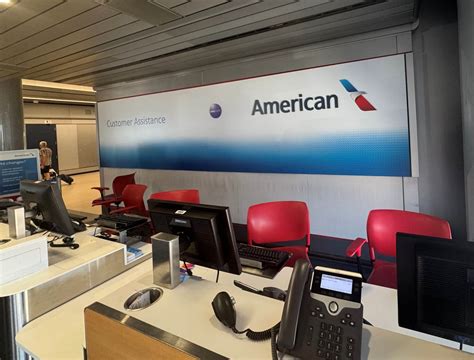
The safest approach is to obtain customer service contact information directly from American Airlines’ official website, the airline’s mobile application, or confirmation emails received after booking. Travelers already at an airport should seek assistance from airline employees at official service counters rather than relying on online searches during stressful situations.
Federal consumer protections also provide important safeguards. When an airline cancels a flight, eligible passengers who decline alternative transportation are generally entitled to refunds without paying processing fees or administrative charges. If unauthorized payments occur, affected customers should immediately contact their bank, dispute the transactions, and report the incident to the appropriate consumer protection authorities.
As online impersonation tactics continue growing more sophisticated, the simplest defense remains careful verification. Spending an extra minute confirming an airline’s official contact information can prevent financial losses that may take months—or even years—to resolve.