The story reads like aviation folklore, but federal prosecutors insist it was disturbingly real. For years, a man allegedly moved through airports, booking crew-only travel, requesting cockpit jumpseat access, and presenting himself as an airline professional—without actually being one. The case has ignited uncomfortable questions about how modern aviation verifies identity in systems built on speed, trust, and professional courtesy.
A Phantom Among Professionals
At the center of the case is Dallas Pokornik, a Toronto man accused of masquerading as both an airline pilot and an active flight attendant. According to US prosecutors, he didn’t simply exploit loopholes to snag free seats. He allegedly embedded himself into staff-only processes designed exclusively for vetted aviation personnel. Using counterfeit employee credentials, Pokornik is said to have booked crew travel on multiple US-based airlines and, in some instances, requested access to the cockpit jumpseat—a privilege normally restricted to trained, background-checked pilots.
What makes this case uniquely unsettling is not the con itself, but how long it allegedly went undetected. Aviation security experts see this not as a clever trick, but as a stress test the system failed—repeatedly.
From Grounded to Ghost
Federal court filings indicate the scheme began after Pokornik’s legitimate employment as a flight attendant with an undisclosed Toronto-based airline ended in 2019. Prosecutors allege he retained or reconstructed employee identification details from that job, later using them to access staff travel systems at three different US airlines based in Honolulu, Chicago, and Fort Worth.
Over the next four years, he is accused of taking hundreds of flights, navigating checkpoints meant for aviation professionals, and blending into environments where uniform and confidence often substitute for deeper scrutiny. In October 2025, a federal grand jury in Hawaii indicted him on wire fraud charges. His case file also includes an arrest in Panama, extradition to the United States, and a not-guilty plea entered in Honolulu. If convicted on all counts, he could face up to 20 years in federal prison.
The Jumpseat Problem
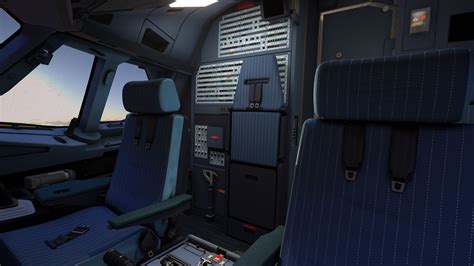
Few details alarm aviation insiders more than the alleged requests for cockpit jumpseat access. The jumpseat is not a casual perk; it exists so pilots can reposition quickly to operate flights, and it relies heavily on inter-airline trust. Verification is often performed through internal databases, professional courtesy, and time-pressured decisions at the gate.
Even if Pokornik never actually sat in the cockpit, the mere fact that he could request access repeatedly exposes a weakness. In an industry shaped by post-9/11 security doctrine, the cockpit is supposed to be the most hardened space onboard an aircraft. This case suggests that while doors may be reinforced, identity verification remains vulnerable to human factors.
More Than Free Flights
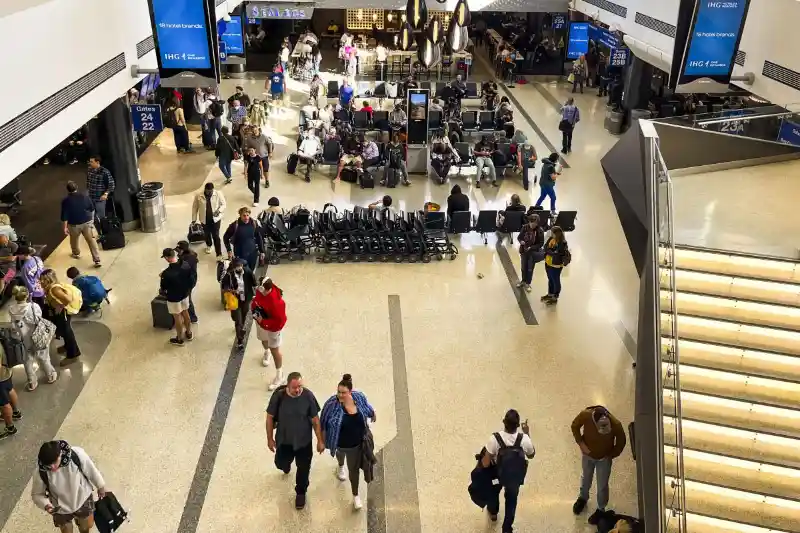
The disturbing core of this story is not the alleged theft of airfare. It is the possibility that someone posing as cabin crew could reach the secure side of major airports, pass through staff checkpoints, and interact with flight crews under false pretenses. Employee travel systems, interline agreements, and crew access points are designed for efficiency, not suspicion. They assume that anyone inside the system has already been vetted.
That assumption, prosecutors argue, may have been exploited. Fragmented databases across airlines, inconsistent real-time roster verification, and frontline staff under intense operational pressure may all have contributed. Each successful passage became another data point proving that the system, when stressed, leaned too heavily on trust.
Echoes of Earlier Impostors
This case is not entirely without precedent. Previous prosecutions have involved individuals posing as flight attendants to book dozens—sometimes hundreds—of free flights. What sets the Pokornik case apart is the scale, duration, and proximity to flight-deck access. Aviation security specialists note that impersonation cases are rarely about one failure. They are about many small, individually reasonable decisions aligning in the wrong direction.

Lessons the Industry Can’t Ignore
For airlines, the implications are unavoidable. Traditional security pathways for aviation workers may require deeper modernization. Analysts increasingly point toward tamper-resistant digital credentials, tighter cross-airline employee verification, and automated alerts when badge numbers or staff IDs fail to match active employment records.
Equally important is cultural change. Any request for cockpit access should be treated as a security event, not an operational inconvenience. Standardized escalation procedures, clear documentation, and institutional support for crews who deny access could reduce reliance on instinct and authority bias. Back-office monitoring of staff-travel patterns across interline agreements could also surface anomalies long before they become systemic failures.
A Breach Without Malice—This Time
Perhaps the most unsettling aspect is that prosecutors do not allege terrorism or sabotage. The accused appears to have acted alone, without advanced resources or organizational backing. That reality raises an uncomfortable question: if someone with modest means and forged credentials could penetrate multiple layers of a high-trust system, what might a more determined actor achieve?
As court proceedings continue, more details will emerge. For now, the “ghost in the cockpit” stands as a reminder that aviation security is not only about reinforced doors and scanners, but about how identity, trust, and verification intersect under pressure. The system worked—eventually. The cost was learning how quietly it can fail.