For decades, military aviation has been viewed as one of the most prestigious and demanding professions in the world. Flying high-performance aircraft, leading missions under pressure, and serving a national purpose provide experiences that few careers can match. Yet for many United States Air Force pilots, the most financially significant decision of their professional lives comes not during active service, but when they choose to leave it.
The transition from military aviation to commercial airlines has become one of the most lucrative career moves available in modern America. A pilot who exits the Air Force after roughly ten years of service can potentially earn more than $20 million throughout the remainder of their professional career. This staggering figure is not driven solely by annual salary. Instead, it emerges from a combination of high airline compensation, powerful retirement contributions, seniority-based career progression, and dramatically improved lifestyle flexibility.
Military service remains an honorable and rewarding path. However, when viewed strictly through the lens of lifetime wealth creation, the financial mathematics increasingly favor the airline industry.
Airlines across the United States continue to compete aggressively for qualified pilots. At the same time, the Air Force faces a persistent pilot shortage despite retention bonuses and expanded incentives. The result is a widening gap between military compensation and private-sector earning potential.
For experienced aviators evaluating their future, the numbers have become impossible to ignore.
After approximately a decade in uniform, many military pilots possess the exact qualifications airlines value most: leadership experience, complex aircraft operations expertise, disciplined decision-making skills, and thousands of hours in demanding environments. These qualifications position them for a remarkably smooth transition into commercial aviation.
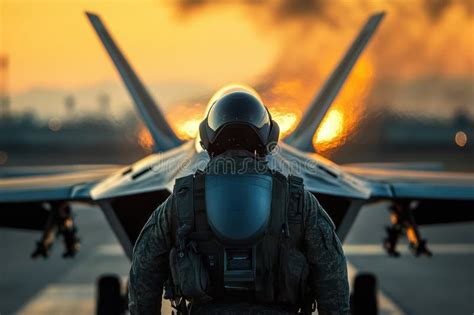
Why Air Force Pilots Are Leaving Earlier Than Ever
The United States Air Force continues to struggle with pilot retention. Despite offering bonuses and additional incentives, military aviation faces a significant manpower gap. The challenge is simple: commercial airlines can often provide substantially higher compensation while demanding far fewer personal sacrifices.
Military pilots spend years adapting to unpredictable schedules, deployments, temporary assignments, and frequent relocations. Families often move every few years through the permanent change of station system, disrupting careers, education, and long-term financial planning.
Commercial airlines offer an entirely different reality.
Instead of receiving assignments from military leadership, airline pilots eventually gain significant control over their schedules through seniority-based bidding systems. Over time, they can select preferred routes, optimize days off, and even choose flying patterns that maximize income while minimizing time away from home.
The contrast becomes especially striking when pilots begin comparing long-term earnings potential.
An Air Force officer’s compensation is largely determined by rank and years of service. While promotions increase income, federal pay structures place clear limits on earning potential. In contrast, airline pilots operate within a compensation model where aircraft type, seniority, schedule selection, and employer retirement contributions can dramatically increase annual income.
This difference creates one of the largest compensation gaps between public service and private-sector employment in any profession.
Understanding the Massive Airline Pay Advantage
The financial appeal of commercial aviation begins with how pilots are paid.
Unlike military officers, airline pilots earn compensation based primarily on flight-related credit hours. These credits often extend beyond actual airborne time. Pilots can receive pay for deadhead transportation, extended layovers, reserve duty, and scheduling protections negotiated through union contracts.
As a result, compensation frequently exceeds what outsiders assume.
A newly hired first officer at a major airline may begin earning well into six figures while still learning company procedures and operational systems. Although this starting salary is already competitive with experienced military officers, the true acceleration occurs later.
As pilots gain seniority, annual pay rises steadily. Eventually, many upgrade from first officer to captain, a milestone that dramatically increases compensation.
For pilots flying large commercial aircraft, captain upgrades can transform a comfortable income into exceptional wealth generation. Senior captains at major airlines frequently earn between $350,000 and $500,000 annually, while top performers at elite carriers can exceed those figures.
At the highest levels of the profession, some airline captains earn more in a single year than many military officers earn over multiple years of active-duty service.
The Power of Airline Seniority
One of the most misunderstood aspects of airline careers is the importance of seniority.
In military aviation, promotions depend on performance evaluations, organizational needs, and career milestones. Airline progression operates differently.
The day a pilot is hired becomes the foundation of their entire future career.
Every pilot hired after them remains junior. Every pilot hired before them remains senior.
This system influences virtually every aspect of professional life, including schedule selection, vacation opportunities, aircraft assignments, base preferences, and compensation potential.
Because seniority compounds over time, delaying an airline transition can carry significant financial consequences.
Consider two military pilots. One leaves active duty after ten years and joins a legacy airline. The second remains in military service for another decade before transitioning.
By the time the second pilot arrives, the first already possesses ten years of airline seniority. That advantage may place them in a captain position flying premium international routes while the later entrant begins near the bottom of the list.
The result is not merely a salary difference. It becomes a decade-long accumulation of higher earnings, superior schedules, larger retirement contributions, and greater lifestyle flexibility.
For many pilots, the real cost of staying in uniform is not the military paycheck itself. It is the airline seniority they are not building.
Why Widebody Aircraft Create Extraordinary Wealth
Not all airline positions are equal.
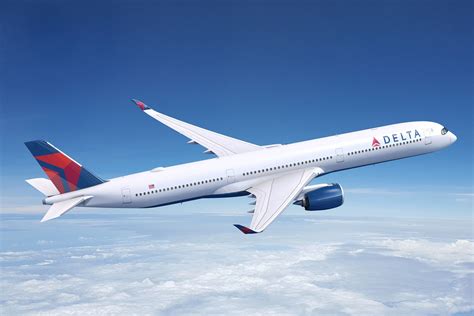
The most lucrative opportunities exist within major international carriers operating long-haul aircraft such as the Boeing 777, Boeing 787, and Airbus A350.
These aircraft generate premium compensation because they operate some of the most complex and profitable routes in global aviation.
International flying often includes longer duty periods, higher pay rates, and enhanced scheduling efficiencies. Senior captains commanding these aircraft frequently occupy the highest earning positions available in commercial aviation.
The economics are simple.
A legacy airline flying premium international passengers can generate far greater revenue per flight than carriers focused exclusively on domestic routes. This revenue advantage ultimately flows into pilot compensation.
As a result, widebody captains often enjoy a unique combination of high income and relatively efficient work schedules. Many complete fewer flights than their narrowbody counterparts while earning significantly more.
The difference becomes even more pronounced when profit-sharing programs are included. Several major airlines distribute portions of corporate profits directly to employees, creating additional compensation that can add tens of thousands of dollars annually.
Escaping the Military Relocation Cycle
Financial considerations extend beyond salary.
One of the greatest hidden costs of military life is constant relocation.
Military families frequently move every two to three years. These relocations affect spouses, children, housing decisions, and community relationships. Building long-term real estate wealth becomes challenging when home ownership is repeatedly interrupted.
Commercial aviation largely removes this burden.
Airline pilots are assigned to operational bases, but they are generally not required to live there. Through commuting systems and bidding processes, pilots often maintain far greater control over where they choose to reside.
This flexibility allows families to establish roots, purchase property with long-term confidence, and pursue career opportunities independent of military assignment cycles.
For many aviators, the lifestyle improvement proves nearly as valuable as the financial gains.
Turning Military Wings Into Airline Credentials
The transition process itself is far less complicated than many assume.
Military aviators already possess extensive flight training and operational experience. Converting military qualifications into civilian certifications is primarily an administrative exercise.
Most pilots begin preparations six to twelve months before separating from active duty.
The process generally includes obtaining FAA certifications, completing military competency examinations, and securing a first-class medical certificate. Military flight records frequently streamline portions of the certification pathway, particularly for pilots operating aircraft with civilian equivalents.
Many service members also leverage programs such as SkillBridge to gain exposure to airline training environments before officially leaving active duty.
The pathway becomes even more attractive because major airlines often provide significant support during onboarding. ATP certification requirements, simulator training, and qualification programs are frequently integrated into the hiring process.
Rather than starting from scratch, military pilots enter commercial aviation with a substantial competitive advantage.
The Retirement Multiplier Most People Overlook
Salary alone does not explain the potential for a $20 million airline career.
The true game changer is retirement capitalization.
Many major airlines contribute substantial percentages of pilot earnings directly into retirement accounts. These contributions often occur regardless of whether the employee makes matching contributions.
For a pilot earning several hundred thousand dollars annually, employer-funded retirement deposits can become enormous.
Imagine a senior captain earning $450,000 per year while receiving retirement contributions approaching 18 percent of compensation. That arrangement can generate annual retirement deposits exceeding $80,000 before personal contributions are even considered.
Over decades, compounded investment growth transforms these contributions into a multimillion-dollar asset.
This structure differs dramatically from traditional military retirement systems, which generally require a full twenty-year commitment before pension benefits become available.
While military pensions remain valuable, airline retirement programs provide a different path to wealth creation—one based on aggressive capital accumulation and long-term investment growth.

The Financial Fork in the Road
The decision facing many Air Force pilots is ultimately a choice between two highly respected careers.
Remaining in military service offers mission diversity, national service, leadership opportunities, and long-term government stability. For many aviators, these benefits outweigh purely financial considerations.
However, from a wealth-building perspective, the numbers increasingly favor commercial aviation.
A pilot leaving active duty after ten years begins accumulating airline seniority at precisely the moment compensation growth starts accelerating. By the time former military peers approach retirement eligibility, the airline pilot may already occupy a senior captain position with years of premium earnings behind them.
That early transition compounds across every aspect of the career: salary, schedule quality, aircraft upgrades, retirement contributions, profit sharing, and investment growth.
The result is a lifetime earning trajectory that can exceed $20 million, placing airline pilots among the highest-paid transportation professionals in the world.
Conclusion: Why the Airline Path Has Become the Ultimate Financial Upgrade
For generations, military aviation represented the pinnacle of flying careers. Today, it remains one of the most respected professions in aviation. Yet the economics of the modern airline industry have created an unprecedented opportunity for experienced military pilots.
A ten-year Air Force veteran enters commercial aviation with elite training, proven leadership, and operational expertise that airlines actively seek. Once inside the seniority-driven airline system, those qualifications translate into steadily increasing income, enhanced lifestyle control, and powerful retirement accumulation.
The combination of six-figure starting salaries, captain upgrades, widebody opportunities, profit-sharing programs, and automatic retirement contributions creates a financial engine unlike anything available within the federal pay structure.
For many aviators, the transition is not merely a career change. It is the moment when years of military experience become the foundation for generational wealth.