Southwest Airlines has taken another significant step in its international expansion strategy by launching a new interline agreement with Singapore Airlines, opening access to more than 130 destinations across multiple continents through a single-ticket travel experience. Announced during the International Air Transport Association (IATA) Annual General Meeting in Rio de Janeiro, the partnership marks one of the most important developments in Southwest’s evolving global connectivity plans.
For decades, Southwest built its reputation as a predominantly domestic carrier focused on affordable fares, high-frequency service, and an extensive point-to-point network throughout the United States. While that strategy remains central to the airline’s identity, growing customer demand for seamless international travel has encouraged the carrier to develop partnerships with leading global airlines rather than operate its own long-haul fleet.
The new agreement with Singapore Airlines reflects that vision. By leveraging one of the world’s most respected international carriers, Southwest can now connect its customers to destinations spanning Asia, Europe, Africa, Australia, and the South Pacific without launching long-haul international services itself.
Southwest Customers Gain Access to a Vast International Network
Under the initial phase of the partnership, travelers can purchase combined itineraries through Singapore Airlines’ booking channels, allowing passengers to connect seamlessly between the two carriers. The agreement focuses on three major gateway airports on the U.S. West Coast: Los Angeles International Airport (LAX), San Francisco International Airport (SFO), and Seattle-Tacoma International Airport (SEA).
Passengers arriving on Singapore Airlines flights can transfer directly onto Southwest’s extensive domestic network, reaching cities throughout the United States. Likewise, Southwest customers departing from dozens of American cities can connect through these gateways and continue onward to Singapore Airlines destinations across the globe.
This arrangement significantly broadens travel possibilities for both leisure and business travelers. Customers who previously required separate bookings, multiple check-ins, and independent baggage arrangements can now benefit from a more streamlined journey under a single itinerary.
According to Southwest Airlines Chief Operating Officer Andrew Watterson, the agreement enables travelers to access one-ticket journeys between the United States and Singapore Airlines’ worldwide network while enjoying smoother connections between both carriers.
Why Interline Agreements Matter in Modern Aviation
While often confused with codeshare partnerships, interline agreements serve a different purpose within the airline industry. An interline arrangement allows airlines to coordinate passenger travel, baggage handling, and ticketing across multiple carriers while maintaining separate operations.
The primary advantage for travelers is convenience. Instead of managing multiple reservations, passengers can complete their journey under one ticket, reducing complexity during international travel and improving the overall passenger experience.
Codeshare agreements typically involve deeper cooperation, with one airline marketing and selling seats on another airline’s flights under its own flight number. Southwest’s current strategy focuses heavily on interlining, allowing it to expand its reach without the operational and regulatory challenges associated with long-haul international flying.
Southwest’s Rapidly Growing International Partnership Portfolio
The Singapore Airlines agreement represents Southwest’s eighth interline partnership and underscores the airline’s accelerated push into global connectivity. The carrier’s growing portfolio now includes partnerships with All Nippon Airways, China Airlines, Condor, EVA Air, Icelandair, Philippine Airlines, Turkish Airlines, and Singapore Airlines.
Notably, four of those partnerships have been announced within roughly the past year, demonstrating a deliberate effort to transform Southwest’s international offering at an unprecedented pace.
The strategy allows Southwest to dramatically increase its global footprint while avoiding the enormous costs associated with acquiring widebody aircraft, establishing overseas bases, and operating long-haul routes. Instead, the airline can leverage the networks of established international carriers while continuing to focus on its highly efficient domestic operations.
Strategic Benefits for Singapore Airlines
The partnership offers substantial advantages for Singapore Airlines as well. While the carrier already serves major U.S. gateways, access to Southwest’s extensive domestic network provides connections to numerous secondary cities and leisure destinations throughout America.
Many of these destinations are underserved by traditional global airline alliances, making Southwest an attractive partner for expanding domestic connectivity. Through Southwest’s large network of daily departures, Singapore Airlines can effectively extend its reach far beyond its existing gateway airports.
This enhanced access strengthens Singapore Airlines’ competitive position in the North American market and creates additional travel options for passengers flying between Asia and the United States.
The collaboration is particularly valuable given Southwest’s strong presence in cities that are often difficult to access through international airline partnerships. By integrating with Southwest’s network, Singapore Airlines gains exposure to a broader customer base and additional revenue opportunities across the U.S. travel market.
A New Phase in Southwest’s International Evolution
The announcement arrives during a period of significant transformation for Southwest Airlines. As competition intensifies across both domestic and international markets, the carrier has been actively exploring new ways to diversify revenue streams and enhance customer value.
Interline partnerships have emerged as one of the most effective tools in achieving those goals. Rather than abandoning its successful domestic business model, Southwest is extending its relevance to international travelers through strategic alliances with globally recognized airlines.
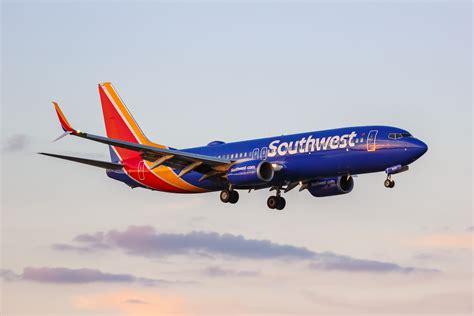
Looking ahead, Southwest has indicated that additional international partnerships remain under consideration for both transatlantic and transpacific markets. If that momentum continues, the airline could rapidly expand its global accessibility without ever operating its own long-haul fleet. For travelers, the result is a growing network of seamless international connections that combines Southwest’s extensive domestic coverage with the worldwide reach of some of aviation’s most prominent carriers.