Southwest Airlines built its reputation on being different. For decades, the carrier stood apart from traditional airlines by offering policies that challenged industry norms: free checked bags, open seating, and a simple approach where every passenger received a similar onboard experience. These ideas became more than product features. They became the foundation of Southwest Airlines loyalty.
However, the airline industry has changed dramatically. Travelers now expect personalization, flexibility, and premium choices, even when flying on low-cost carriers. Southwest’s recent transformation shows that many passengers were not necessarily loyal to the idea of equality in the cabin. Instead, they were loyal to the airline’s network, reliability, schedules, and customer service.
The clearest evidence comes from one surprising development: around 60% of Southwest passengers are now paying for seat upgrades and additional options, compared with roughly 20% before the changes. The numbers reveal a major shift in customer behavior and suggest that Southwest’s most valuable advantage was never simply offering everything for free.
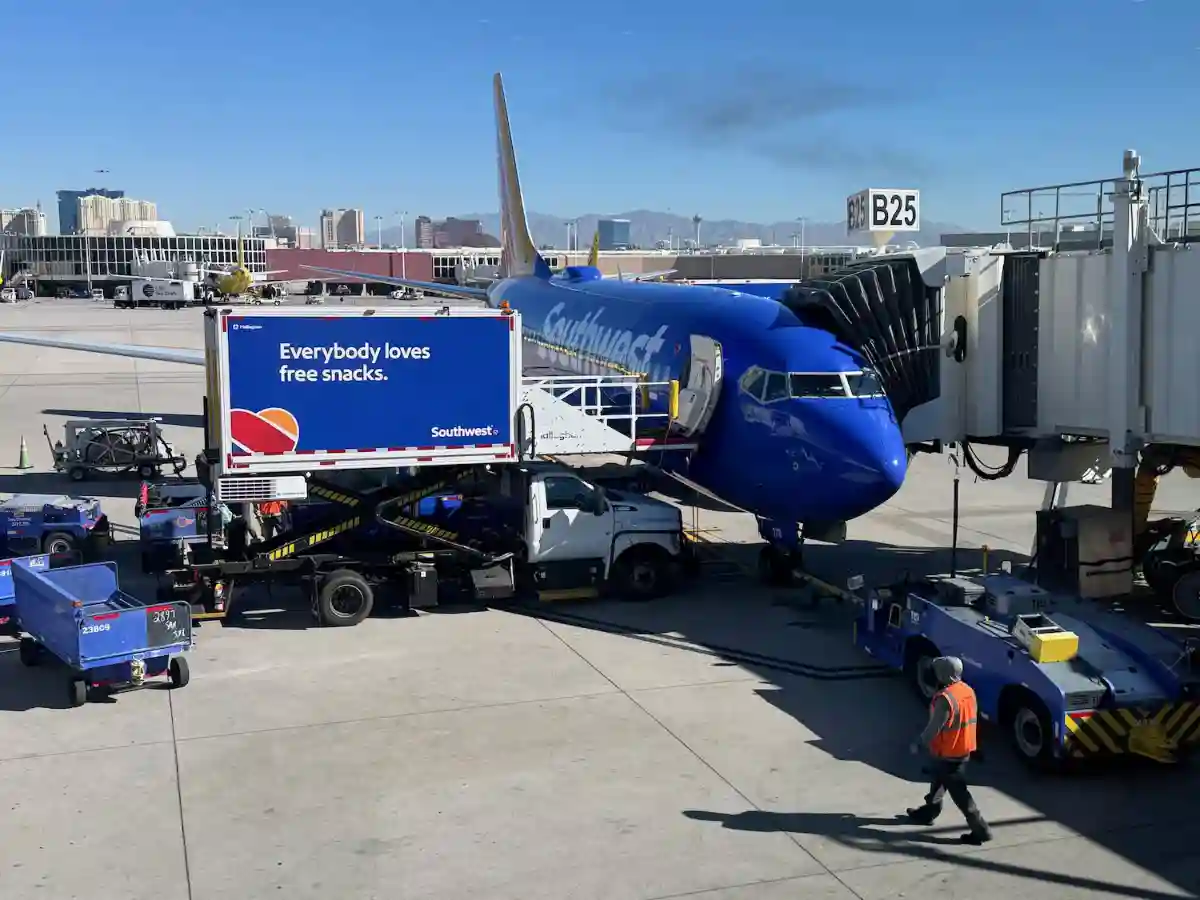
Southwest Airlines’ Major Shift Away From Its Original Low-Cost Model
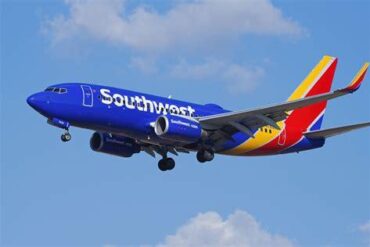
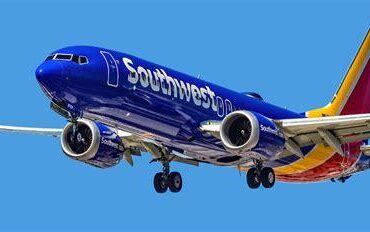
Southwest Airlines still looks familiar from the outside. The aircraft carry the same blue, red, and orange branding, and the airline continues operating one of the largest domestic networks in the United States. Yet the experience of flying Southwest has changed significantly compared with just a few years ago.
Historically, Southwest operated around a philosophy of simplicity. The airline offered a small number of fare categories, but every ticket included benefits that many competitors charged extra for. Passengers received two free checked bags, avoided change fees, and boarded without assigned seating. The open seating system became one of the company’s most recognizable characteristics.
The traditional Southwest boarding process was unusual compared with almost every other major airline. Passengers received a boarding group and position number rather than a specific seat assignment. Once onboard, travelers selected any available seat. A passenger who boarded early could choose a preferred location without paying an additional fee.
That approach created a sense of fairness. A traveler buying a basic ticket could still sit in a desirable seat if they planned carefully and arrived early. It represented Southwest’s original promise that air travel did not need to be complicated or divided into multiple levels.
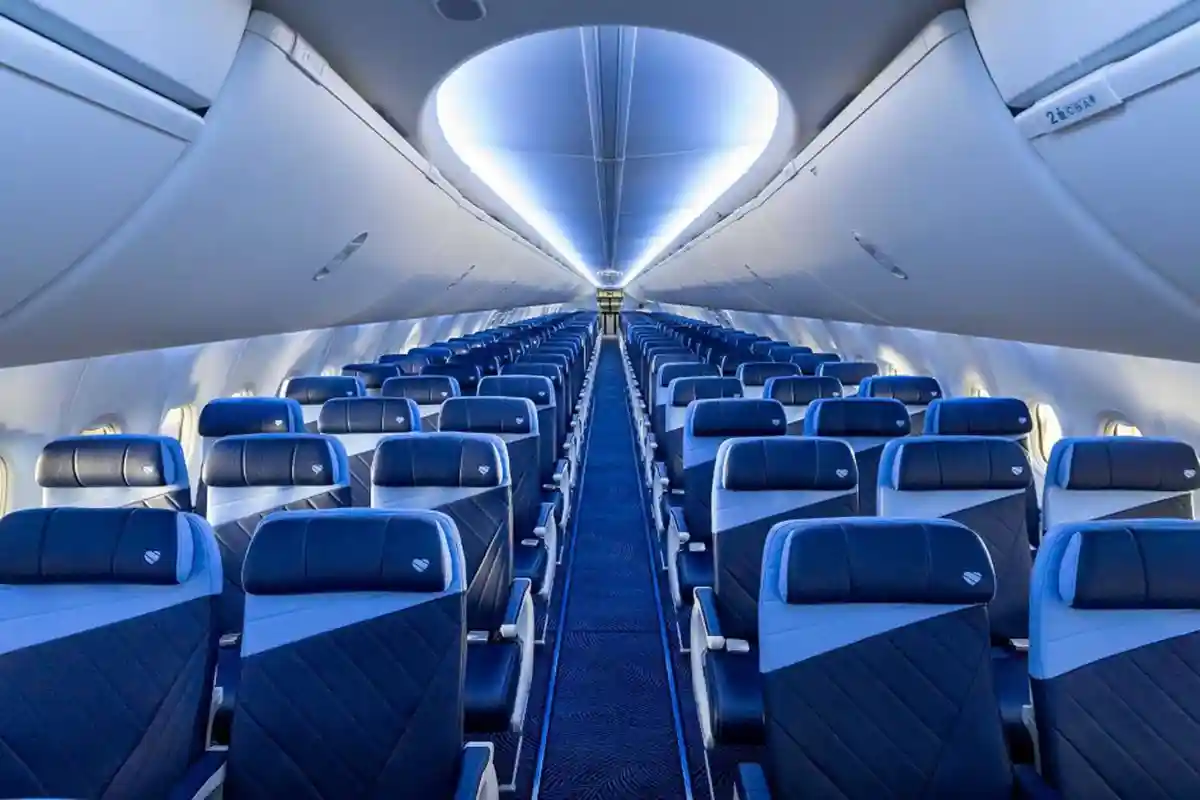
Today, that philosophy has evolved. Southwest now offers assigned seating, premium seating choices, and additional products designed to generate more revenue while giving passengers more control over their experience.
The airline has introduced different seating categories, including extra-legroom options, allowing passengers to pay more for additional comfort. Instead of every seat being considered equal, travelers can now customize their trip based on their personal preferences and budget.
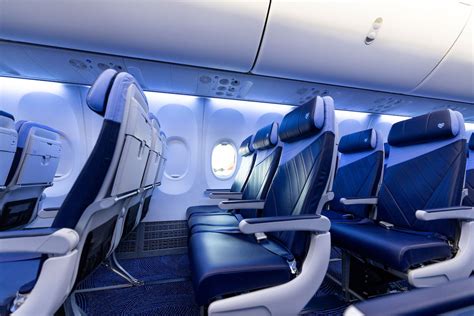
60% of Southwest Flyers Are Paying for Upgrades
The biggest surprise from Southwest’s transformation is not that customers accepted the changes. It is that many customers actively paid for them.
According to reported figures, approximately 60% of Southwest passengers now purchase seat-related upgrades and add-ons, a dramatic increase from the previous rate of around 20%. This indicates that travelers are willing to spend more when they receive additional flexibility and comfort.
For years, Southwest avoided the traditional airline strategy of charging passengers for optional improvements. The company’s approach was built around simplicity: one passenger experience, fewer complicated choices, and fewer additional fees.
But modern airline customers increasingly value personalization. A business traveler may want extra legroom and a preferred seat near the front. A family may want guaranteed seats together. A frequent traveler may prioritize convenience over the lowest possible fare.
Southwest’s new strategy allows passengers to choose what matters most to them.
This change also reveals an important reality about airline loyalty. Customers may appreciate free benefits, but they often remain loyal because of broader advantages. If a passenger continues choosing Southwest despite new fees, it suggests that the airline’s strongest assets were never just complimentary bags or open seating.
The carrier’s extensive domestic network, competitive schedules, and reputation for friendly employees appear to have created a deeper connection with travelers.
The results challenge the assumption that Southwest customers would leave immediately if the airline removed its unique policies. Instead, many passengers appear comfortable paying for improvements while continuing to fly with the airline.
The End of Open Seating Reveals What Loyalty Was Really About
Southwest’s open seating policy was one of the most recognizable features in commercial aviation. It represented the airline’s original identity and separated it from competitors.
However, customer research suggested that open seating was not universally loved. While some frequent Southwest travelers enjoyed the flexibility, others disliked the uncertainty. Families, groups, and travelers with specific seating preferences often found the system inconvenient.
Assigned seating solved a major frustration. Passengers could now select their preferred location before arriving at the airport, reducing stress and making the travel experience more predictable.
The transition also demonstrated how airline customers have changed. Modern travelers are accustomed to paying for choices. Across the aviation industry, passengers routinely purchase priority boarding, extra space, preferred seats, and upgraded services.
Even many traditional low-cost carriers now offer premium seating products. The difference is that Southwest historically avoided this model because its brand identity was built around simplicity and equality.
Today, the airline is moving closer to the broader industry standard.
This does not necessarily mean Southwest has abandoned its identity. Instead, it has adjusted its business model to reflect changing expectations. The airline still competes through its network strength, operational reliability, and employee-focused culture.
The company’s challenge is balancing modernization with the emotional connection customers have developed over decades.
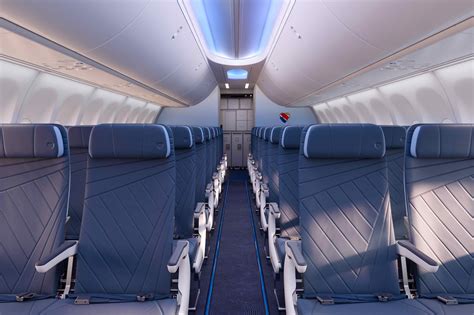
Southwest Airlines Is Becoming a Hybrid Carrier
The modern airline industry has become increasingly difficult to categorize. The traditional divide between full-service airlines and low-cost carriers has become less clear as companies introduce overlapping products.
Southwest was once considered a pure low-cost carrier. However, its current strategy places it closer to a hybrid airline model, combining competitive pricing with optional premium services.
Major U.S. airlines such as American Airlines, Delta Air Lines, and United Airlines have long offered multiple cabin experiences, including premium economy-style products and first-class seating. Meanwhile, low-cost carriers have also introduced upgraded seating options to increase revenue.
Southwest now follows a similar path. It offers a standard economy experience but provides customers with opportunities to spend more for additional comfort.
The airline’s transformation reflects a larger industry trend. Airlines have learned that different customers value different things. Some passengers want the lowest possible fare. Others are willing to pay significantly more for convenience.
A successful airline does not necessarily need every customer to receive the same experience. Instead, it needs to provide options that match different passenger priorities.
Southwest’s recent financial improvements suggest that this strategy has been effective.
The airline has managed to increase revenue from existing customers while maintaining its core advantages. The aircraft, routes, and customer service culture remain familiar, but the company now has additional ways to generate income.
Why Southwest Customers Continue to Choose the Airline
The success of Southwest’s changes provides insight into what actually creates airline loyalty.
A free checked bag is valuable, but it is only one part of the travel decision. Open seating was unique, but it was not necessarily the primary reason passengers selected Southwest. The airline’s strongest loyalty drivers appear to be more fundamental.
Southwest has built a powerful domestic network with strong positions in many important markets. Its frequent schedules make it convenient for travelers, especially those who regularly fly within the United States.
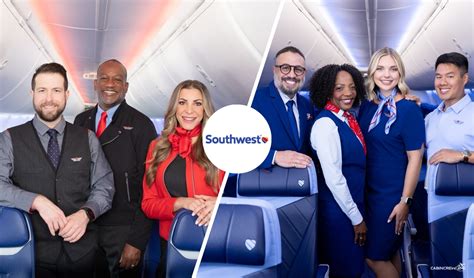
The airline is also known for its employees. Southwest’s flight attendants and customer-facing teams have historically been associated with friendly service and a more relaxed travel atmosphere compared with some competitors.
These qualities are difficult for competitors to copy.
A policy can change overnight, but a company culture developed over decades is much harder to replace.
The airline’s recent experience demonstrates that customers often form relationships with brands based on the complete experience rather than a single benefit.
Southwest’s Future Could Include More Premium Products
Southwest’s evolution may not stop with upgraded seating. The airline has shown increasing interest in expanding premium offerings as it looks for additional revenue opportunities.
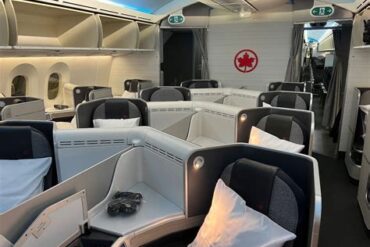
One potential development is the introduction of a more premium cabin experience. While Southwest has not traditionally offered domestic first class, premium cabins have become an important source of profitability and customer engagement for major airlines.
A premium product could strengthen Southwest’s loyalty program and attract higher-value travelers.
The airline’s Rapid Rewards program is also becoming increasingly important. Modern airline profitability is closely connected to loyalty programs, credit card partnerships, and customer engagement.
Southwest has a strong foundation through its partnership with Chase and its large base of loyal travelers. Expanding premium benefits, improving rewards opportunities, or introducing exclusive airport services could further strengthen that relationship.
There has also been discussion about possible lounges and expanded international opportunities. While Southwest has historically focused on short-haul and domestic operations, future growth may involve carefully selected international routes that can be served efficiently with its Boeing 737 MAX fleet.
Rather than becoming a completely different airline, Southwest appears focused on adding new layers to its existing model.
What Southwest’s Transformation Means for Low-Cost Airline Loyalty
Southwest Airlines’ recent changes reveal a broader truth about the evolution of low-cost carriers.
Passengers appreciate value, but value is not always the same as receiving everything for free. Today’s travelers often define value through flexibility, comfort, and control.
The fact that many Southwest customers are willing to pay for upgrades shows that loyalty was never based only on free benefits. Those benefits helped create the brand’s personality, but the deeper relationship came from convenience, service, and trust.
Southwest’s transformation represents the airline industry’s move toward greater personalization. The era of one-size-fits-all flying is disappearing, even among carriers that once built their identities around simplicity.
The airline’s challenge will be preserving the emotional connection that made it successful while adapting to a market where customers expect more choices.
So far, the results suggest that Southwest’s passengers are accepting the new model. They are not simply staying with the airline despite the changes. Many are actively paying for the new experience.
That may be the clearest sign of all: Southwest Airlines loyalty was never only about what passengers received for free. It was about why they chose Southwest in the first place.