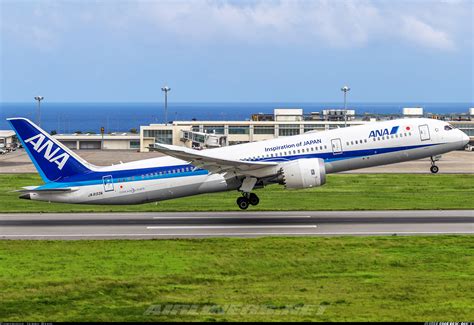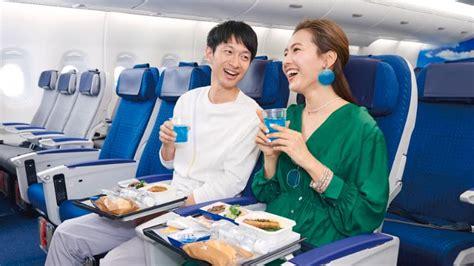
Flying All Nippon Airways (ANA) in economy class is a far more refined experience than what many travelers anticipate. Renowned globally for its exceptional service standards, ANA ensures that even its most basic cabin tier delivers comfort, hospitality, and value. While ANA is often praised for its ultra-luxurious first and business class offerings, its economy class presents several thoughtful features and cost-effective travel opportunities that make it one of the most worthwhile options in global air travel today.
Understanding ANA Economy Class: What to Expect
From the moment you book your ANA economy ticket, you’re signing up for Japanese precision, hospitality, and dependability. Economy class on international ANA flights, especially those on aircraft like the Boeing 787 Dreamliner, includes several standout features that make long-haul journeys considerably more pleasant.
Passengers are allowed two checked bags, each weighing up to 50 pounds (23 kg), with maximum linear dimensions of 62 inches. This generous baggage allowance is a huge advantage compared to the more restrictive policies of many North American or low-cost Asian carriers. Parents traveling with infants (under two years old without a seat) are granted one additional checked item, which can significantly ease the travel burden for families.
As for boarding, ANA uses a group-based process, where economy passengers generally fall into boarding groups 4–6. While this means you’ll likely be among the last to board, ANA’s ground staff are known for efficiency and clarity, making the boarding process smooth and timely.
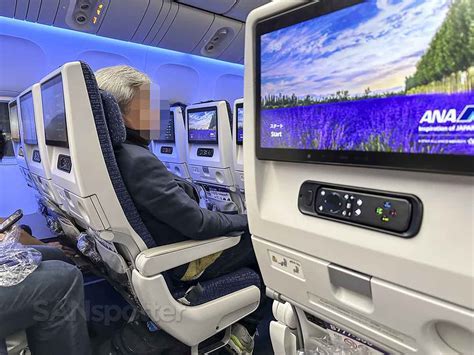
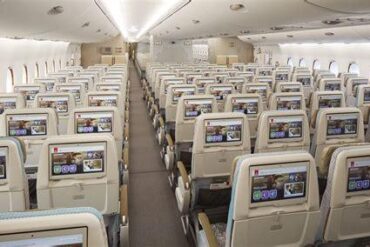
Once onboard, ANA economy class seating provides a respectable seat pitch of 34 inches — noticeably more generous than the industry average. This legroom is particularly appreciated on transpacific flights. Each seat includes a personal screen with a variety of in-flight entertainment options, ranging from Japanese and Western films to games and music. Passengers are also provided a pillow and blanket, and while Wi-Fi is available, it comes at an additional fee.
In-Flight Dining: A Taste of Japan at 35,000 Feet
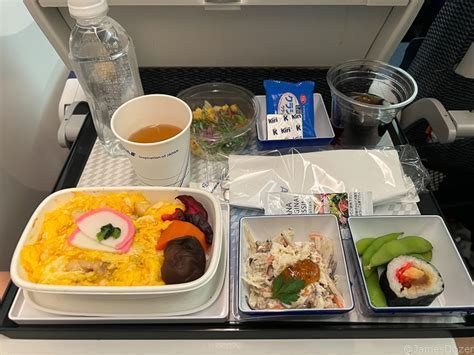
One of ANA’s quiet strengths is its in-flight meal service. Economy passengers are treated to culturally inspired meals, often featuring regional Japanese dishes like curry with rice, miso soup, or a chicken teriyaki rice bowl, accompanied by natural yeast bread.
Complementing the meal are free beverages, including soft drinks, juice, Japanese sake, and red or white wine. ANA doesn’t treat economy passengers as afterthoughts when it comes to dining; meals are carefully prepared, well-balanced, and authentically flavored.
On routes departing Japan, passengers can pre-order paid in-flight meals with more premium offerings. This option allows travelers to upgrade their dining experience with specialized menus, adding an extra layer of personalization to their flight.
Customer Service That Sets ANA Apart
Even in the back of the cabin, ANA’s reputation for meticulous service remains intact. Flight attendants are attentive, courteous, and multilingual. Cabin crew proactively check on passengers, maintain clean lavatories, and ensure passengers are comfortable throughout the flight.
This level of care extends beyond language and cultural barriers. ANA’s flight attendants often go the extra mile, such as offering a second round of drinks or assisting with seat adjustments for sleeping passengers. This service culture, rooted in Japanese omotenashi (hospitality), distinguishes ANA from many global competitors.
How to Book ANA Economy for Maximum Value
While ANA economy class delivers a great experience at face value, there are strategic ways to extract even more value, particularly through the ANA Mileage Club. This frequent flyer program, part of the Star Alliance, enables travelers to redeem points across various partner airlines, including United Airlines, Air Canada, Lufthansa, and even non-Star Alliance carriers like Virgin Atlantic.
If you hold an American Express card that earns Membership Rewards, you can transfer those points directly to ANA. During low season, 40,000 ANA miles can book a round-trip economy ticket from the U.S. to Japan. By comparison, United or Avianca would require 70,000 miles for the same itinerary. However, ANA does require round-trip bookings for award travel — something to keep in mind when planning your redemption.
When Paying Cash Might Be the Smarter Move
ANA’s cash fares for economy are often competitively priced. During off-peak periods, round-trip tickets from North America to Asia can dip into the $700–$900 range. Sometimes, it’s more cost-effective to pay cash and save your miles for a future business class redemption.
For instance, 88,000 ANA miles can get you a business class round-trip ticket from the U.S. to Europe on TAP Air Portugal, a deal that represents exceptional value when compared to most other mileage programs. If you come across a reasonably priced ANA economy fare, especially on less busy routes, it may make more sense to pay in cash now and save your points for luxury later.
Leverage Credit Card Perks to Access Airport Lounges
Though ANA economy tickets do not include airport lounge access, several credit cards can help bridge that gap. The Platinum Card® from American Express grants access to Centurion Lounges and Priority Pass lounges, even when flying economy. Similarly, the Chase Sapphire Reserve® card offers Priority Pass Select membership.
These lounges provide a quiet space to relax, complimentary food and drinks, and a more dignified pre-boarding experience. For long layovers or early morning flights, this benefit is especially valuable.

Consider Upgrading to Premium Economy
If your budget allows, consider a small upgrade to ANA Premium Economy. While it is a distinct class from business, it offers several tangible perks:
- Wider seats with extra pitch and recline
- Priority check-in and baggage handling
- Amenity kits, slippers, and better headphones
- Access to ANA lounges at select airports
Premium economy also features enhanced dining options, making the upgrade worthwhile on ultra-long-haul flights.
Hidden Perks and Travel Tips for ANA Economy Passengers
To make the most of your ANA economy journey, keep in mind these subtle but effective strategies:
- Seat Selection: Choose bulkhead or exit row seats during booking (when available) for more legroom. ANA often opens up premium seat selection closer to departure.
- Check-in Online Early: ANA allows online check-in 24 hours before your flight, making it easier to confirm your preferred seat and avoid airport crowds.
- Bring Your Own Entertainment: While ANA offers decent entertainment, the library is limited. Download content in advance, especially if you’re picky.
- Hydrate Often: Cabin crew are responsive to drink requests. Don’t hesitate to ask for extra water or green tea mid-flight.
- Explore Japanese Snacks: ANA occasionally stocks small snacks like rice crackers or sweet bean buns — uniquely Japanese and fun to try.
Final Thoughts: A Superior Economy Experience That Delivers Value
Flying ANA economy isn’t just about getting from point A to point B. It’s about experiencing a premium airline’s standard of care, even in its most affordable cabin class. From the meals and seat comfort to the service and check-in experience, ANA brings its signature Japanese hospitality to the back of the plane.
By leveraging award redemptions, understanding when to pay cash, and using credit card perks, travelers can unlock tremendous value while enjoying a journey that rivals premium economy offerings on lesser airlines. ANA economy class proves that thoughtful design, quality food, and exceptional service don’t have to come at a premium.