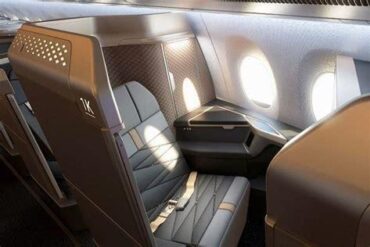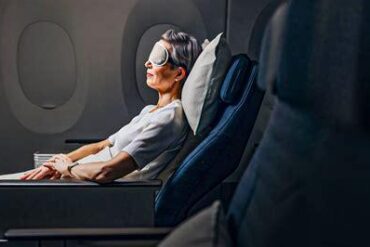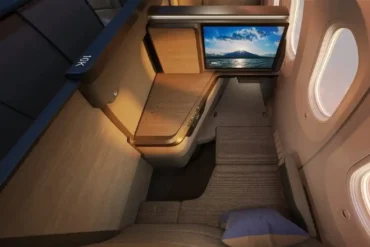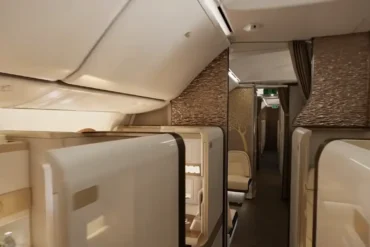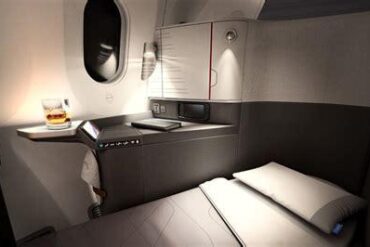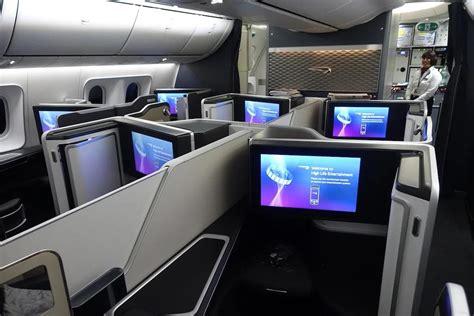
Business class in 2026 has evolved into something far more deliberate than upgraded seating—it is now a precision-designed personal environment. Airlines are no longer competing solely on legroom or service polish; they are engineering multi-functional spaces that adapt seamlessly to sleep, productivity, and privacy. The result is a category where the distinction between business and first class is increasingly blurred, and in some cases, practically erased.
What defines superiority today is not a single feature but the integration of ergonomics, privacy architecture, and sensory comfort. Lighting systems are calibrated to reduce jet lag, materials are chosen for tactile and thermal comfort, and layouts are designed to maximize both usable space and psychological calm. Frequent travelers are no longer just choosing a seat—they are selecting an environment that shapes how they feel upon arrival.
Within this competitive landscape, five airlines have pulled decisively ahead. Their products are not only refined but consistently executed across long-haul routes, making them reliable choices for travelers who expect more than just a comfortable ride.
Qatar Airways Qsuite: The Benchmark for Business Class Innovation
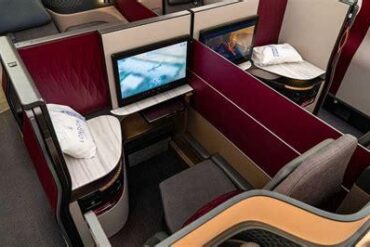
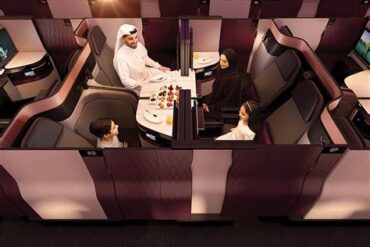
Qatar Airways’ Qsuite continues to dominate because it delivers something rare: true modularity without compromise. Instead of locking passengers into a fixed experience, Qsuite adapts to individual needs, whether that means solo privacy, a double bed, or a collaborative workspace for groups.
The defining feature is the fully enclosed suite with sliding doors, which creates a genuine sense of isolation from the cabin. Unlike partial dividers seen elsewhere, this design transforms the seat into a private cocoon, dramatically improving sleep quality on long-haul flights. The bed itself extends to approximately 79 inches, paired with high-quality bedding that feels closer to a boutique hotel than an aircraft cabin.
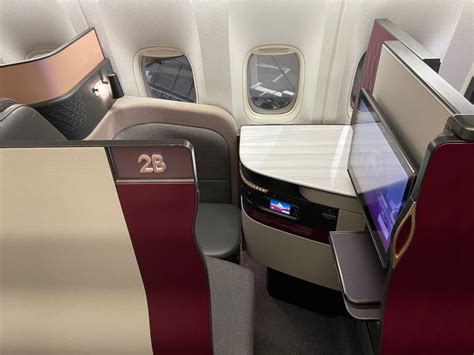
Beyond physical comfort, Qatar Airways excels in environmental engineering. Adjustable ambient lighting reduces fatigue, while intuitive seat controls allow passengers to fine-tune their position with precision. Storage is intelligently integrated, ensuring that everything from laptops to personal items remains accessible without cluttering the space.
What truly elevates Qsuite is its balance between privacy and flexibility. Center seats can convert into double beds, while quad configurations allow families or colleagues to share a communal space. This versatility is unmatched, making Qsuite equally effective for rest, work, or social interaction.
Combined with premium amenities, refined dining, and a consistently high standard of onboard service, Qsuite remains the most complete business class product in the world—not because it excels in one area, but because it excels in all of them simultaneously.
Singapore Airlines Business Class: Ergonomic Mastery Meets Spacious Design
Singapore Airlines approaches business class from a fundamentally different angle. Rather than enclosing passengers in tight suites, it focuses on open, expansive seating with meticulous ergonomic engineering. The result is one of the widest and most comfortable business class seats available today.
The seat design prioritizes natural posture and weight distribution, using sculpted surfaces and premium leather to create a supportive sitting and sleeping experience. When converted into a bed, the seat becomes a broad, stable platform, ideal for travelers who value space over enclosure.
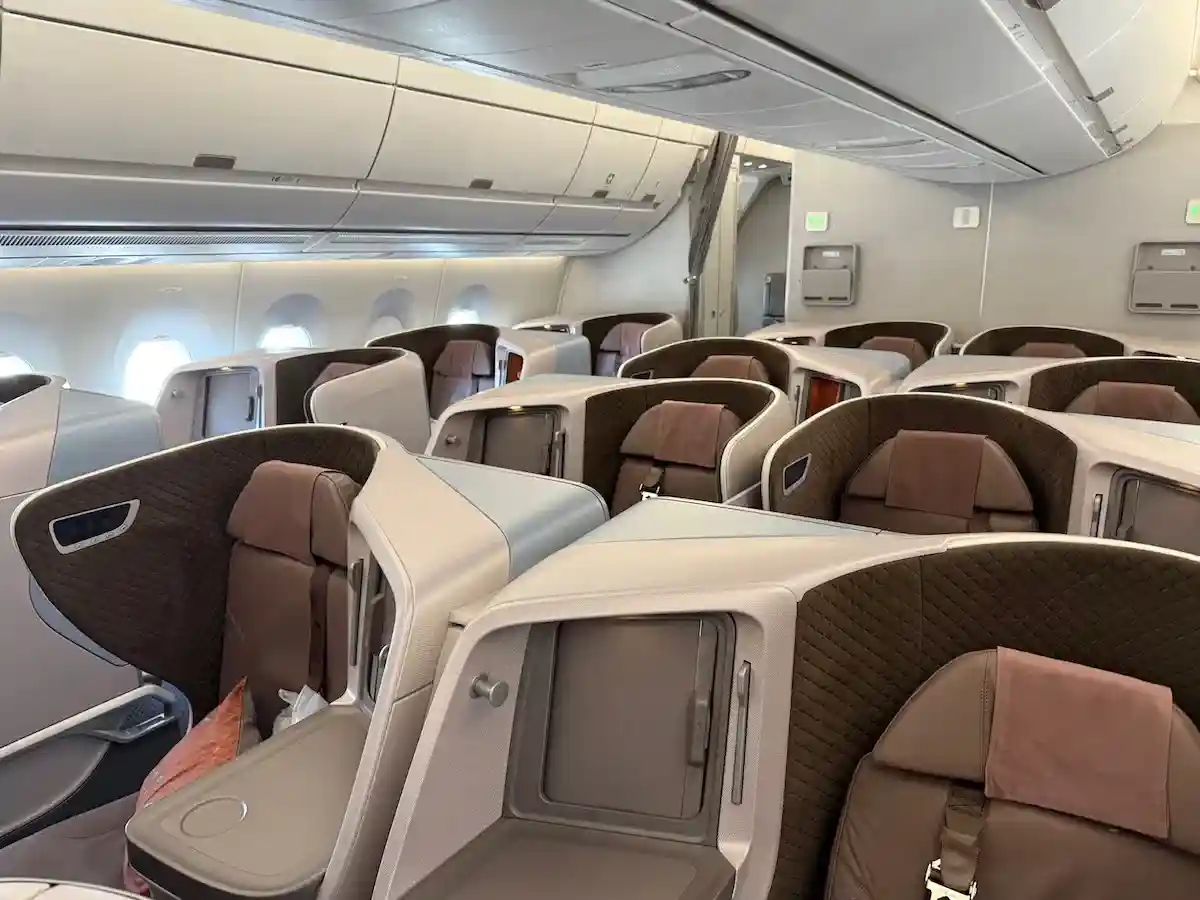
On the A350 and Boeing 777, the experience is consistent: wide seating, generous legroom, and carefully designed storage solutions that transform the space into a functional workstation. The A380 upper deck takes this further, offering an almost residential feel with sculpted wings and enhanced privacy elements.
Singapore Airlines’ strength lies in its attention to detail. Every component—from seat stitching to lighting transitions—feels deliberate. The inflight entertainment system integrates seamlessly with onboard WiFi, allowing passengers to switch between work and relaxation without disruption.
While some competitors chase dramatic innovations, Singapore Airlines focuses on long-term usability and comfort. This philosophy ensures that its business class product remains competitive year after year, delivering a reliable, high-quality experience that prioritizes passenger well-being over novelty.
ANA “The Room”: Unmatched Width and Residential Comfort
All Nippon Airways redefines expectations with “The Room,” a business class suite that emphasizes sheer space and residential-style comfort. At first glance, the width alone is striking—it feels less like an aircraft seat and more like a compact living room in the sky.
The layout alternates between forward- and rear-facing seats, maximizing privacy while maintaining a sense of openness. Sliding doors provide enclosure when needed, but the true luxury lies in the freedom of movement within the suite. Passengers can sit cross-legged, stretch out, or work comfortably without feeling confined.
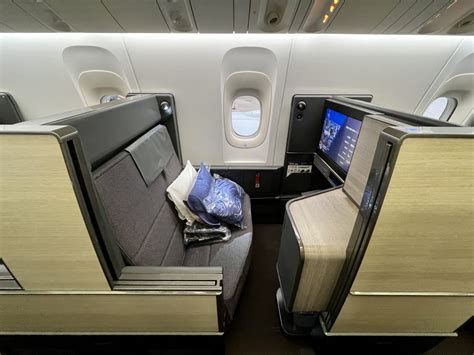
The sleeping experience is equally impressive. The bed extends to around 80 inches and is complemented by high-quality Japanese bedding, creating a sleep environment that rivals first class on many airlines. The design removes the usual constraints of business class, replacing them with a calm, uncluttered space that promotes relaxation.
ANA pairs this hard product with a strong soft offering, including premium dining and thoughtful amenities. However, what stands out most is the consistency of design philosophy—everything is geared toward reducing stress and enhancing comfort.
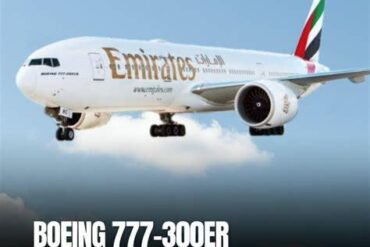
The limitation is availability, as “The Room” is primarily found on select Boeing 777-300ER aircraft. Yet where it is available, it delivers one of the most spacious and serene business class experiences in aviation today.
Cathay Pacific Aria Suite: Quiet Luxury and Immersive Entertainment
Cathay Pacific’s Aria Suite represents a refined evolution rather than a radical reinvention. It embraces quiet luxury, focusing on subtle design improvements that collectively create a deeply satisfying passenger experience.
The suite features sliding doors, elegant contours, and high-resolution 4K displays, forming a cohesive environment that feels both modern and understated. Unlike more flamboyant designs, Aria prioritizes clarity and usability, ensuring that every element serves a practical purpose.
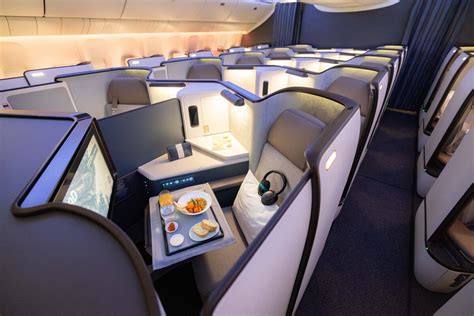
One of Cathay Pacific’s strongest advantages is its industry-leading inflight entertainment system. The combination of large screens, intuitive interfaces, and extensive content libraries transforms long-haul flights into immersive experiences. This is complemented by thoughtful touches such as premium bedding and high-quality amenities.
The design language reflects Hong Kong’s aesthetic sensibilities—clean lines, balanced proportions, and an emphasis on calmness. Storage is intelligently integrated, and the overall layout avoids unnecessary complexity.
Although the Aria Suite is still being rolled out across the fleet, it already competes with the best in the world. Its strength lies not in bold statements but in refined execution, making it one of the most enjoyable and consistent business class products for long-haul travel.
Air France Business Class: Elegant Design with Modern Precision
Air France brings a distinctly European perspective, blending classic refinement with contemporary engineering. Its latest business class suites introduce sliding doors and updated layouts, creating a product that feels both familiar and modern.
The design emphasizes material quality and visual harmony, with soft lighting and carefully selected textures contributing to a sophisticated cabin atmosphere. The seats convert into fully flat beds, supported by bedding designed specifically for long-haul comfort.
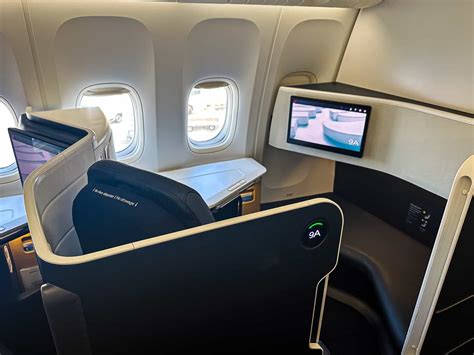
Dining is a standout feature, reflecting the airline’s heritage with Michelin-inspired meals and curated wine selections. This culinary focus adds a layer of distinction that complements the physical comfort of the seat.
Across the Airbus A350 and Boeing 787 fleets, Air France maintains a consistent standard, ensuring passengers know what to expect regardless of route. The cabins incorporate intuitive storage solutions and responsive entertainment systems, enhancing usability without overcomplicating the design.
While it may not push boundaries as aggressively as some competitors, Air France succeeds through polish and reliability. It delivers a business class experience that feels cohesive, elegant, and thoughtfully engineered—qualities that resonate strongly with travelers who value consistency over spectacle.
Why These Business Class Seats Stand Above the Rest in 2026
The defining trend among these five airlines is not luxury for its own sake, but purpose-driven design. Each product reflects a clear philosophy: Qatar Airways prioritizes versatility, Singapore Airlines emphasizes ergonomic space, ANA focuses on width and comfort, Cathay Pacific refines the experience through subtlety, and Air France delivers elegance with consistency.
What separates them from the broader market is their ability to integrate multiple dimensions of comfort into a unified experience. Privacy is no longer optional; it is expected. Sleep quality is engineered rather than incidental. Productivity is supported through thoughtful layouts and connectivity.
At the same time, these airlines understand that passengers are not identical. Some prioritize deep rest, others need a functional workspace, and many want a balance of both. The best business class seats in 2026 succeed because they adapt to these varying needs without compromise.
The competition is only intensifying, but these five products represent the current pinnacle. They demonstrate that when airlines invest in design, engineering, and passenger-centric thinking, business class becomes more than a category—it becomes an experience that reshapes the journey itself.