Airports serve as dynamic, fast-paced ecosystems with a wide array of job opportunities that extend far beyond the cockpit or control tower. From ground support to passenger service and engineering, the types of jobs you can find working at an airport cater to a diverse set of skills, qualifications, and professional goals. In this detailed guide, we delve into the core career paths across commercial, governmental, and support functions at modern airports, showcasing the versatility of the aviation industry.
Aviation Operations: The Backbone of Airport Activity
At the heart of every functioning airport lies a meticulously coordinated operations team. These individuals are responsible for ensuring the safe, timely, and efficient movement of aircraft, passengers, and cargo. Among the most essential roles in this domain are:
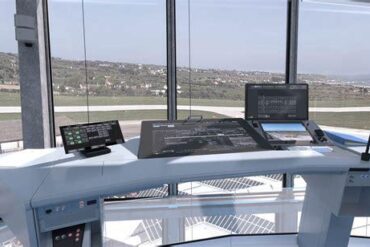
Air Traffic Controller
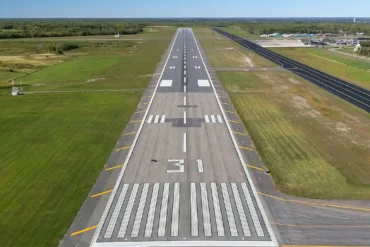
Air traffic controllers are responsible for managing aircraft movements on runways and in the airspace surrounding the airport. They issue takeoff and landing instructions, monitor flight paths using radar and software systems, and provide real-time updates to pilots regarding weather, air traffic, and runway conditions. This high-pressure role requires specialized training and certification.
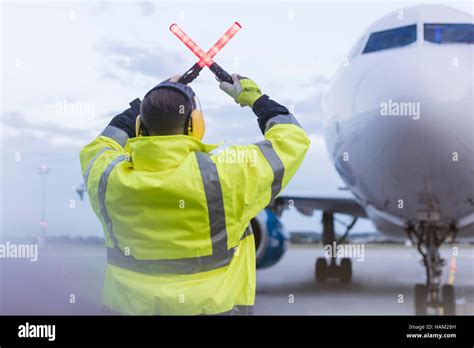
Airport Operations Officer
Working closely with traffic controllers, the airport operations officer coordinates all movements on the ground, ensuring compliance with safety protocols, managing runway logistics, and liaising with terminal, maintenance, and security teams. They often serve as the airport’s nerve center, handling everything from aircraft parking to fuel delays and emergency responses.
Flight Dispatcher
Although based behind the scenes, flight dispatchers play a critical role in flight safety and planning. These professionals design flight plans by analyzing weather data, fuel requirements, and aircraft performance. They work closely with pilots to adjust flight paths in real-time and ensure regulatory compliance.
Passenger-Facing Roles: The Human Side of Aviation
For many travelers, the face of the airport experience comes in the form of customer service professionals and support staff who ensure smooth navigation through terminals.
Flight Attendant
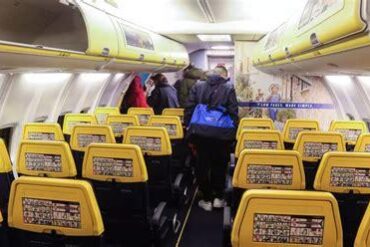
Flight attendants are responsible for maintaining safety and comfort in the cabin. Beyond serving food and beverages, they provide first aid, manage in-flight emergencies, and ensure passengers are familiar with safety procedures. While the job demands long hours and significant travel, it offers global exposure and flexibility.
Airline Passenger Assistant
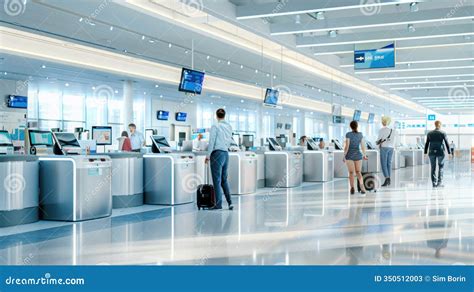
Also known as customer service agents, these professionals help travelers with check-ins, boarding procedures, and special assistance for passengers with disabilities. Effective communication, patience, and multilingual abilities are crucial in this customer-facing role.
Airline Reservation Agent
Often positioned at ticket counters or help desks, airline reservation agents assist with booking, ticket changes, and flight cancellations. They also verify identification, assign seating, and check luggage. Strong digital literacy and people skills are essential for success in this position.
Ground Services and Logistics
Behind the curtain, ground crews work tirelessly to keep planes fueled, clean, and prepped for flight. Their work often goes unnoticed but is pivotal to on-time performance.
Aircraft Fueler
Aircraft fuelers manage refueling operations, ensuring every plane is loaded with the correct fuel volume and weight. Operating fuel trucks, inspecting valves, and working in extreme conditions are daily requirements. These technicians must be detail-oriented and mechanically skilled.
Airline Baggage Handler (Ramp Agent)
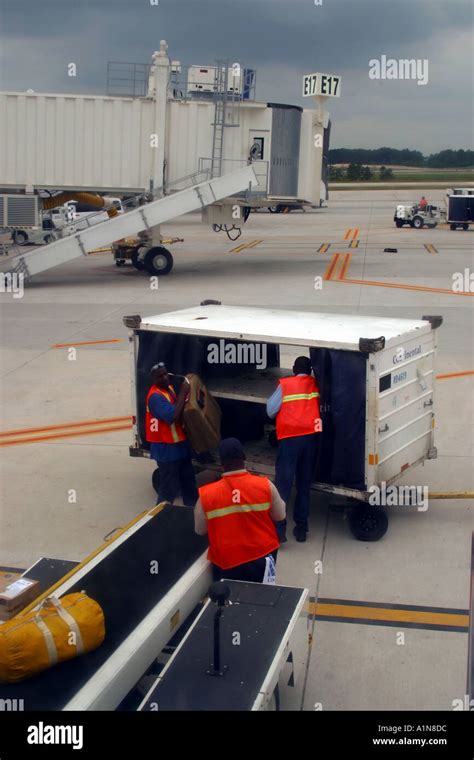
Ramp agents transport and load luggage, guide aircraft into gates, and operate de-icing equipment in winter. The job involves physical labor, tight deadlines, and sometimes unpredictable weather. Their responsibilities ensure that passenger belongings arrive safely and punctually.
Airport Security Officer
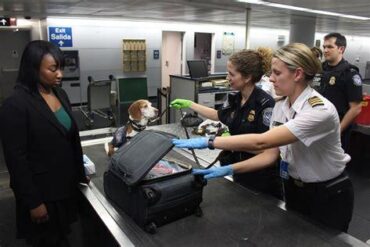
Often employed by federal agencies or private contractors, airport security officers screen passengers and luggage for prohibited items. They maintain secure zones, inspect staff and visitor IDs, and respond to suspicious activity. This role requires vigilance, strong ethics, and ongoing training.
Technical and Engineering Roles
Many high-paying and technically complex careers at airports fall under the realm of engineering, maintenance, and aeronautics. These professionals ensure the physical and mechanical integrity of aircraft and infrastructure.
Aircraft Maintenance Technician
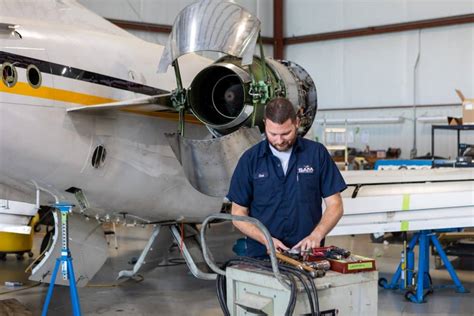
Maintenance technicians carry out routine inspections on aircraft engines, fuel systems, and flight controls. They follow strict protocols, work from manuals and blueprints, and use diagnostic tools to troubleshoot and repair complex systems.
Avionics Technician
These specialists focus on the electronic systems of aircraft — from navigation to communications. Their work ensures that cockpit instrumentation functions correctly and adheres to modern aviation standards.
Aeronautical Engineer
Aeronautical engineers are involved in the design, testing, and optimization of aircraft. They assess new technologies, perform simulations, and troubleshoot system failures, especially when developing newer, safer, and more efficient models.
Airport Engineer
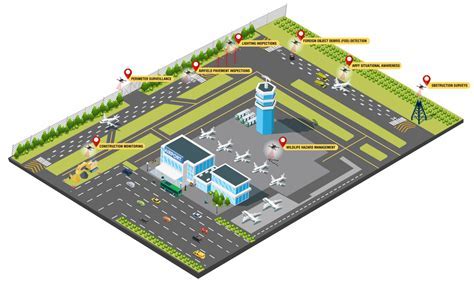
Airport engineers design and maintain runways, control towers, and terminal buildings. They evaluate site conditions, structural integrity, and ensure compliance with environmental regulations. Their projects are often multimillion-dollar endeavors involving intricate planning and civil engineering skills.
Culinary and Retail Services in Terminals
Airports are home to bustling food courts and retail outlets that require large numbers of service workers to cater to millions of annual passengers.
Airline Food Service Worker
Responsible for preparing, packaging, and distributing meals to aircraft and passengers, these workers maintain health codes, operate industrial kitchen equipment, and sometimes manage catering logistics. Customer-facing roles in cafes and restaurants also fall into this category.
Strategic and Planning-Based Roles
Larger airports hire managers, planners, and analysts to optimize infrastructure and prepare for future growth.
Airport Planner
Airport planners develop master plans for new facilities or expansions. They factor in air traffic trends, regional needs, and environmental assessments. Their work lays the foundation for decades of airport development.
Airport Manager
The airport manager oversees all aspects of daily operations — from security to vendor management, budgeting, and crisis response. Their leadership ensures the facility runs efficiently while complying with both local aviation laws and international safety standards.
Specialized Roles in Aviation
Some airport jobs require a distinct mix of certification, experience, and technical knowledge. These include the most elite and responsibility-heavy positions.
Pilot
Operating commercial or private aircraft, pilots undergo years of training and must pass rigorous exams and medical screenings. They are responsible for navigating routes, conducting pre-flight inspections, managing fuel levels, and communicating with air traffic control to ensure a safe journey.
Customs Officer
Working under national customs agencies, these officers inspect passengers and cargo, verify documents, and detain individuals when laws are violated. Their presence is essential for border integrity, especially at international hubs.
Frequently Asked Questions
What qualifications do I need to work at an airport?
The qualifications vary by role. Entry-level positions like baggage handler or food service worker may only require a high school diploma, while technical roles like air traffic controller, pilot, or engineer demand specialized education, licensing, and certifications.
Are airport jobs well-paid?
Many airport jobs offer competitive salaries with benefits. Technical and managerial roles, such as aeronautical engineers, airport managers, and air traffic controllers, typically earn higher-than-average wages. However, pay depends on experience, education, and the employer.
Is it difficult to get hired at an airport?
Some roles are highly competitive and may require extensive background checks and security clearance. Entry-level positions are generally more accessible, though customer service skills and flexibility to work varied shifts are often required.