The aviation world is filled with dynamic opportunities, and contract piloting represents one of the most flexible and potentially lucrative paths a qualified aviator can pursue. However, it is not a realm without barriers. For many, entering the freelance flying market is as much about timing and connections as it is about skill.
Contract pilots operate on-demand, filling in for operators and private owners who need a qualified aviator to cover short-term missions or supplement their flight departments. These professionals may fly anything from light jets like the Citation X to turboprops such as the SR22 or Meridian, depending on their certifications and type ratings.

Understanding the Contract Pilot Market
The contract pilot industry is governed by experience, type ratings, and availability. While the allure of setting your own schedule and commanding a high daily rate is appealing, success in this field depends on a few crucial factors:
- Type Ratings: Many operators will not consider a pilot without sufficient “time on type,” especially for complex aircraft. A Citation X typed pilot without significant flight hours on the model may struggle to find work initially.
- Networking: The community is tight-knit. Many gigs come from referrals or direct relationships with operators, dispatchers, or other pilots. Building long-term, genuine relationships is essential.
- Reputation: A single mistake can lead to permanent exclusion from a client’s roster. The contract world has a long memory.
How to Break into Contract Flying
One of the most common frustrations voiced by newcomers is the paradox of needing experience to get hired and needing a job to gain experience. The solution lies in strategic networking and slow, consistent relationship building.
We see countless stories of pilots who spent years nurturing a single contact before landing their first steady contract. These efforts often pay off — not only in job offers but in enduring professional alliances.
- Stay in touch with colleagues from training programs.
- Attend NBAA events and regional fly-ins.
- Reach out to former flight instructors, check airmen, and mentors.

Where to Find Contract Pilot Opportunities
Beyond word-of-mouth, several platforms and strategies exist for sourcing work:
- Aviation job boards like BizJetJobs, Climbto350, and AvCrew regularly post short-term flying opportunities.
- Pilot agencies and management companies maintain rosters of qualified contract pilots for specific aircraft types.
- Direct outreach: Once confident in your experience, you can cold-call or email Part 91 and 135 operators in your area.
- Training center internships can provide inroads into flight departments who hire contract pilots.
Setting Your Daily Rate: Striking a Fair Balance
Determining your day rate is both a personal and ethical decision. While it’s tempting to undercut others to land your first gig, doing so is strongly discouraged. Undercutting deteriorates professional standards across the board.
Instead, assess the following:
- Your certification level (SIC vs PIC, ATP vs Commercial).
- Your experience on type.
- The scope of the mission: domestic day trip vs international multi-day.
- Market data from NBAA or pilot forums.
For example, PIC-qualified pilots flying midsize jets like the Phenom 300 or Citation X can expect rates from $1,200 to $2,000 per day, depending on region and complexity. SICs or pilots with lower time on type might start closer to $600 to $900 per day, but must tread carefully not to devalue the profession.

Flight Volume and Lifestyle Considerations
The number of flight hours you can expect per year as a contract pilot varies widely. One successful contractor reported over 570 hours annually, combining SR22 flights, short-haul day trips, and jet operations. But this figure can fluctuate with:
- Seasonality in business aviation.
- Economic downturns.
- Operator schedules.
This volatility underscores a key feature of contract life: freedom over stability. You control your calendar, but with that autonomy comes the risk of inconsistent income.
Financial and Legal Implications
Contract pilots are independent contractors, not employees. This status comes with responsibilities:
- LLC Formation: Many pilots create limited liability companies to streamline invoicing and taxation.
- No W-2: You’re responsible for self-employment tax, deductions, and managing quarterly payments.
- Insurance: Professional liability and hull insurance may be required.
- Training Costs: If you’re PIC typed, you’re often responsible for your own recurrent simulator training, which can cost several thousand dollars annually.

The Importance of Integrity and Professionalism
Whether you’re new to the industry or a seasoned veteran, professionalism remains paramount. That includes:
- Showing up prepared and punctual.
- Demonstrating absolute discretion.
- Remaining flexible with changes in mission profile or customer needs.
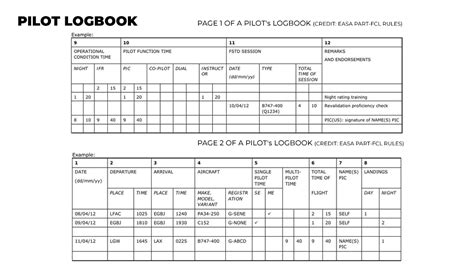
Perhaps more importantly, maintaining the standards of the profession means advocating for fair pay, not accepting work under dubious regulatory interpretations (e.g., Part 91 operated as if it were 135), and staying current with logbooks, currency, and endorsements.
Long-Term Strategy and Career Growth
Contract piloting can be a long-term career or a stepping stone to corporate or charter flying. Pilots who succeed long-term usually:
- Cultivate recurring clients who rely on their availability.
- Invest in additional type ratings to expand their aircraft versatility.
- Pair their aviation work with other income streams (e.g., investments, consulting, or fitness training).
Final Thoughts
For those entering the world of contract aviation, success depends on three pillars: networking, reputation, and readiness. While it may take time to gain traction, the rewards — in both income and independence — can be significant.
If you’re entering this arena with a type rating but no flight time, patience and consistency are key. Stay in touch with your network, be transparent about your goals, and position yourself as a reliable, professional, and safety-conscious aviator. Once you secure that first opportunity, the door often opens to a range of further contracts.
In this small yet vibrant community, your name will travel faster than your aircraft ever could — so let your reputation be your greatest marketing tool.