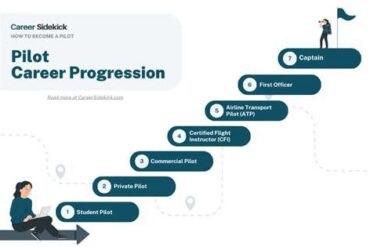
Becoming a commercial pilot is a monumental achievement, but one of the biggest questions new aviators face is: what’s next? For many pilots with under 1,000 total flight hours, opportunities exist outside the traditional CFI route—but they’re competitive, and they require strategic planning. In this comprehensive guide, we’ll explore where to find low‑time pilot jobs, break down minimum requirements by category, and provide insider tips for maximizing your chances of success.
Understanding the Low‑Time Pilot Landscape
The aviation industry faces a constant supply‑and‑demand tug of war. While flight instructing remains the go‑to path for building hours, a growing number of 135 operators, scenic flight companies, banner‑towing outfits, and aerial survey firms are opening their doors to pilots with 250–800 TT. These roles can provide valuable PIC experience, exposure to varied missions, and a chance to network with industry professionals. However, because these seats are limited, candidates need to present a polished application, strong endorsements, and, in some cases, specialized ratings or endorsements such as Tailwheel, High‑Performance, or Multi‑Engine.
Key Considerations Before Applying
Before you start sending out resumes, ask yourself:
- What endorsements do I hold? A Tailwheel or High‑Performance endorsement can make you stand out for aerial banner or patrol jobs.
- Do I have multi‑engine experience? Several survey and cargo operators require an ME rating with a minimum PIC time.
- Am I willing to relocate? Many of these positions are in remote areas—Alaska’s winter skies, Texas pipeline patrols, or coastal banner‑towing fields.
- Can I commit to irregular schedules? Skydiving and banner towing often mean weekends, early mornings, and seasonal fluctuations.
By addressing these factors upfront, you’ll be better positioned to target the roles that align with your qualifications and career goals.

400TT and Less: Entry‑Level Flight Opportunities
For pilots with under 400 TT, the options are surprisingly diverse. These gigs often involve scenic flights, skydive operations, or aerial imagery, where minimum requirements can be as low as 250 TT:
- Optic Air – Requires CSEL; specializes in remote aerial surveying for environmental studies.
- The Whale Aerial Imagery – CSEL, CSES; offers pipeline patrols and wildlife monitoring missions.
- Skydive Saipan – 250 TT; tropical skydiving operations with a fast‑track training program to insurance minimums.
- Scenic Flights of Acadia – 250 TT; operates sightseeing tours over the rugged Maine coast.
- Williams Aerial and Mapping – 250 TT; mapping and photogrammetry missions across urban and rural landscapes.
- Tropic Ocean Airways – 250 TT, CSEL to apply, CSES before class; seaplane operations in the Caribbean.
- Southern Airways Express – 250 TT min, 500 TT competitive; scheduled commuter service with Cessna Caravans and Pilatus PC‑12s.
- Makers Air – 250 TT; innovative urban air mobility research flights.
- Jav Imagery – 250 TT; aerial cinematography for film and documentary productions.
- Sandhills Aviation – 250 TT; aerial surveying of farmland and natural resources in the Midwest.
- Skylens Aerial Imaging – 250 TT; real‑estate and construction site photography operations.
- Air Cargo Carriers – 300 TT min, 900 TT competitive; on‑demand feeder cargo flights in the southeastern U.S.
- Brewton Aviation – 500 TT; pipeline patrols in southwest Texas with expansive PIC hours.
- Aerial Banners Inc. – 300 TT, tailwheel & high‑performance endorsement; classic banner towing over beaches and sporting events.
- Reynolds Aviation – 300 TT; aerial patrols for power lines and pipeline inspections.
- Eagle Sky Patrol – 300 TT; forest fire reconnaissance and aerial patrol in the Pacific Northwest.
- Northwoods Air – ≈350 TT; wildlife survey flights in Canada and the northern U.S.
- American Patrols – 400 TT; horizon scanning patrols for environmental compliance.
- ProStar Flight Services – 400 TT, 30 ME; multi‑engine survey operations across the U.S.
- EagleView – 400 TT, 30 ME; high‑definition mapping and photogrammetry.
- Skydive Yosemite – 400 TT; mountain skydiving operations requiring precision mountain flying skills.
These positions are ideal for bootstrapping your PIC time, but they demand flexibility, quick adaptability, and a proactive attitude. Competition is fierce, so tailor your resume to highlight any specialized endorsements and emphasize safety‑oriented training.
Passenger‑Carrying Roles for 500TT Pilots
Once you’ve broken the 500 TT mark, a new tier of 14 CFR Part 135 passenger operators becomes accessible. These roles often involve commuter flights, scenic tours, and charter operations:
- Grant Aviation – 500 TT, 100 XC, 25 XCN; remote Alaska commuter flights connecting bush communities.
- Grand Canyon Scenic Airlines – 500 TT; iconic tours above the Grand Canyon with high‑volume seasonal schedules.
- Cutter Aviation – 500 TT; on‑demand charter flights out of major business hubs, including Phoenix and Los Angeles.
- Bering Air – 500 TT; Alaska bush flights with turbo‑prop aircraft and floatplanes.
- Star Marianas – 500 TT; inter‑island commuter flights in the Mariana Islands, challenging mountain approaches.
- Cape Air – 500 TT, priority hiring for partner‑program graduates; one of the largest independent regional carriers.
- Surf Air – 500 TT (potentially lower for standout candidates); membership‑based on‑demand flights in California and Texas.
- Boutique Air – 500 TT min, 800 TT competitive; modern twin‑engine turboprops on commuter and on‑demand services across the U.S.
Passenger‑carrying jobs not only add significant PIC time but also refine your crew resource management, customer service, and operational decision‑making skills. Employers look for polished professionalism, solid cross‑country performance, and a track record of safe operations under varying weather conditions.
Cargo‑Focused Positions: Building Pilot in Command Experience
Cargo operators present another avenue for accumulating hours, often with less stringent passenger‑interaction demands. For pilots with 500–750 TT, cargo flying can offer robust hour building:
- Ameriflight – 750 TT, CFI; largest on‑demand cargo carrier in the U.S., ideal for building multi‑engine turbine time.
- Berry Aviation – 500 TT, 25 ME; contract cargo flights supporting both civilian and government missions.
- Air Cargo Carrier – 500 TT, 25 ME; feeder flights for major freight companies, including FedEx and UPS.
- Legends – 500 TT, 25 ME; specialized medical and high‑priority freight operations.
- ACE Air Cargo – 500 TT, 250 PIC; niche agricultural and pharmaceutical cargo runs.
Cargo flying hones precision navigation skills, often involving nighttime operations and single‑pilot IFR flights in challenging environments. Demonstrating efficiency, reliability, and adherence to SOPs can pave the way for upgrades to larger aircraft and more lucrative positions.
Aerial Survey & Patrol: Precision Flying for Specialized Missions
For pilots interested in technical flying and long PIC hours, aerial survey and patrol companies are an excellent fit. These roles demand meticulous flight profiles, repeatable flight lines, and often multi‑engine turbine time:
- Keystone Aerial Survey – 450 TT; LiDAR and photogrammetry missions for topographic mapping.
- SolAerial Survey – 450 TT, 80 ME; coastal and maritime infrastructure inspections.
- Fugro – 500 TT; geotechnical survey flights supporting offshore and onshore projects.
- TAF Aerial Services – 500 TT; environmental compliance flights for renewable energy and pipeline corridors.
- Dynamic Aviation – 500 TT; specialized airlift and survey operations for governmental and commercial clients.
- Talos Aviation – 500 TT, 50 ME; aerial patrols for oil and gas infrastructure with high‑precision reporting requirements.
Survey and patrol flying refine your instrument flying, precise altitude and speed control, and familiarity with advanced avionics. These specialized roles can significantly bolster your resume when competing for turbine‑rated positions later in your career.
Running the Numbers: Competitive vs. Minimum Hours
Understanding the difference between minimum requirements and competitive averages is crucial. While a company may list 250 TT as the minimum, many hires average 400–800 TT before selection. Building a professional network, securing strong letters of recommendation, and gaining endorsements—such as High‑Performance and Tailwheel—can tilt the odds in your favor. Always research forums, Glassdoor, and industry groups for current pay scales and typical hire profiles.
Beyond Minimums: The Value of the CFI Path
Despite the allure of skip‑the‑CFI routes, instructing remains a proven method to build hours quickly, earn a steady income, and hone your teaching and communication skills. Even if your end goal is a survey or charter job, consider:
- Accelerated Hour Building: Steady schedules, guaranteed blocks, and transition training opportunities.
- Skill Development: Instructing refines your own stick‑and‑rudder abilities, emergency procedures, and cross‑country planning.
- Professional Networking: Flight schools often have industry connections, alumni networks, and partnerships with airlines.
For many low‑time pilots, a stint as a CFI serves as a reliable stepping stone—getting you to 1,000+ TT faster while expanding your professional contacts.
Crafting a Standout Application
When applying to these low‑time jobs, follow these guidelines:
- Tailor Your Resume: Highlight relevant endorsements, PIC time, and any unique experiences (e.g., floatplanes, mountain flying).
- Cover Letter Focus: Explain why you’re passionate about the operator’s mission—whether it’s scenic tours, cargo reliability, or technical surveys.
- Gather Strong References: Secure recommendations from CFIs, chief pilots, or industry mentors who can vouch for your professionalism and safety record.
- Prepare for Interview Scenarios: Be ready to discuss hypothetical weather diversions, weight‑and‑balance calculations, and emergency procedures specific to the employer’s fleet.
- Showcase Continuous Learning: List recurrent training, safety seminars, and any specialized courses (e.g., mountain flying, cold weather ops).
By presenting a polished, targeted application, you’ll differentiate yourself in a crowded field of candidates.
Final Thoughts: Opportunities Are Out There
Low‑time pilot jobs are real, but they’re scarce and highly competitive. Airlines receive hundreds of applications for a handful of seats. While the CFI route remains the most accessible path to accumulate hours and refine skills, non‑CFI positions in scenic flights, cargo, aerial survey, and passenger commutes can provide valuable PIC experience and career momentum. Determine your priorities—endorsement acquisition, geographic flexibility, and mission type—and approach each application with professionalism, persistence, and preparation.
Embark on this next phase of your aviation journey with confidence. Your dream job may be just over the horizon—sometimes, all it takes is 250 TT, the right endorsement, and the determination to stand out from the crowd.