
The UK Government has unveiled ambitious plans to enhance its transportation infrastructure in southwest England, with two new train stations slated to open in 2026. These stations, to be constructed in Cullompton, Devon, and Wellington, Somerset, represent a pivotal step forward in improving regional connectivity and are part of a broader £92 billion investment initiative aimed at bolstering economic growth, facilitating job creation, and supporting housing developments throughout the country.
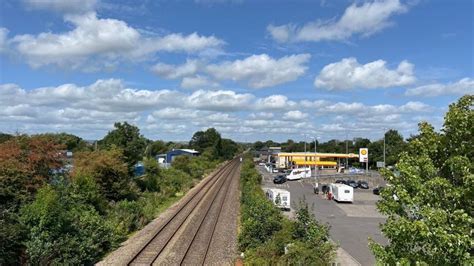
Both Cullompton and Wellington have faced significant challenges due to their historical lack of functioning railway stations since the mid-1900s. The new stations will effectively reconnect these towns to the rail network linking Exeter and Taunton, offering essential access for both residents and tourists. This revitalization has been met with enthusiasm from local communities and travelers alike, who will now find it significantly easier to explore the breathtaking landscapes of the southwest.
The new stations will be integrated into the wider rail network through Exeter St David’s, a major transport hub in the region. This key station serves as a vital point for trains heading toward Cornwall and other prominent destinations across the UK, including London Paddington, Plymouth, and Bristol. The enhanced connectivity will provide more options for travelers eager to discover the charming towns and natural beauty of Devon and Somerset.
Promoting Tourism and Local Economic Development
These new stations are not merely transport upgrades; they play a critical role in a strategy designed to stimulate tourism and bolster the local economy. Cullompton, located near the Blackdown Hills Area of Outstanding Natural Beauty, and Wellington, which offers access to the Quantock Hills, are both exceptional destinations for outdoor enthusiasts. The new stations will provide direct access to these stunning locations, thereby opening up opportunities for hiking, nature walks, and various outdoor activities that attract visitors throughout the year.
Moreover, improved transport links are projected to significantly boost local businesses. The anticipated influx of tourists and commuters is expected to stimulate growth in sectors such as hospitality, retail, and leisure. Additionally, the construction phase of these stations will create jobs and promote long-term employment opportunities once the stations become operational.
Part of a Larger National Infrastructure Strategy
The development of these new train stations is part of a much larger government initiative aimed at modernizing the UK’s transportation network. The £92 billion transport investment plan is designed to enhance connectivity across the country, particularly in regions historically underserved by rail services. This initiative encompasses the construction of new railways, the upgrading of existing infrastructure, and the enhancement of key road networks.
Among the significant projects associated with this transport programme is the A382 scheme, which focuses on improving road access from Drumbridges to Newton Abbot. This scheme includes plans to widen and realign sections of the highway, construct a new link road, and upgrade critical junctions to alleviate congestion and enhance safety for motorists.
Enhancing Pedestrian and Cyclist Access
In addition to rail and road improvements, the investment plan also includes provisions for creating new pedestrian and cycling paths. These enhancements are designed to improve accessibility for all users, including those who prefer to travel by foot or bike. The inclusion of pedestrian and cycle-friendly infrastructure reflects the growing demand for sustainable transportation options and supports the government’s commitment to reducing carbon emissions.
Improving Road Networks and Traffic Flow
As part of the broader infrastructure overhaul, several smaller road projects will also be undertaken. Key upgrades will take place on major routes such as the A38 around Plymouth and on the A374, A386, and A364 junctions. These improvements aim to enhance traffic flow, reduce congestion, and improve overall safety for all road users, including motorists, cyclists, and pedestrians. The focus on improving road infrastructure aligns with the overarching objective of the transport programme: to create a well-integrated transportation system that meets the needs of both local communities and visitors. Such efforts will help ensure that the southwest remains an appealing destination for both tourism and business.
Government Commitment to Long-Term Growth
Transport Secretary Heidi Alexander emphasized that the £92 billion investment is not solely about improving travel today but also about laying the groundwork for future growth. She noted that the programme aims to unlock new economic opportunities, particularly in underserved regions. By enhancing transport connections, the government hopes to create a more balanced economy, offering new employment opportunities and attracting investment to the southwest of England.
The long-term benefits of this ambitious programme are clear: the expansion of transportation networks will facilitate easier access to jobs, education, and new opportunities. It will also support the development of 1.5 million new homes, making housing more affordable and accessible to a broader range of people.
Environmental and Sustainability Considerations
Alongside the economic and social advantages, the transportation upgrade programme places a strong emphasis on environmental sustainability. The government is committed to reducing carbon emissions across the transport sector and has implemented several measures to promote greener travel options. For instance, the development of new cycle and pedestrian paths will encourage more sustainable modes of transportation, while the expansion of rail services will help reduce reliance on cars and alleviate road congestion.
Additionally, the government is exploring ways to enhance the environmental performance of its existing transport network. This includes investing in more energy-efficient trains and upgrading rail infrastructure to support greener, low-emission technology.
Broader Impact on the UK’s Transportation Landscape
The new stations in Cullompton and Wellington are just one facet of the government’s broader effort to modernize the UK’s transportation system. The investment plan aims to support the growth of new housing developments, create jobs, and enhance the quality of life for residents and visitors alike. By focusing on infrastructure improvements, the government hopes to cultivate a more resilient and sustainable economy that is better prepared to meet future challenges.
The projects included in this £92 billion investment strategy are expected to have a far-reaching impact on the country’s transportation network. In addition to improving connectivity between towns and cities, the programme will also foster vital links between rural and urban areas. This enhanced connectivity will allow individuals to move more freely across the country, whether for work, leisure, or other purposes.
Looking Ahead: A Vision for Future Growth
As the UK continues to invest in its transport infrastructure, the government’s focus remains on ensuring that these improvements benefit everyone. Whether it’s the residents of Cullompton and Wellington, tourists exploring the southwest’s natural beauty, or commuters traveling between cities, the expanded rail network and upgraded roads will provide crucial access to the opportunities and experiences that make the UK an attractive destination.
These developments also embody the government’s commitment to fostering long-term, sustainable growth, ensuring that the UK remains a competitive and desirable place to live, work, and visit. As the rail stations in Cullompton and Wellington commence construction, it becomes evident that the government’s investment in transportation infrastructure will play a pivotal role in shaping the future of southwest England and beyond.