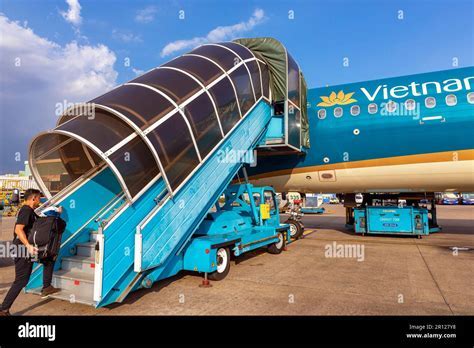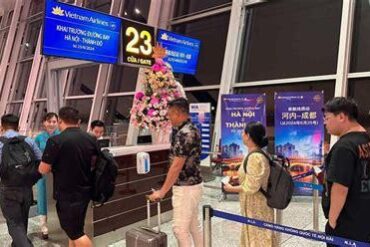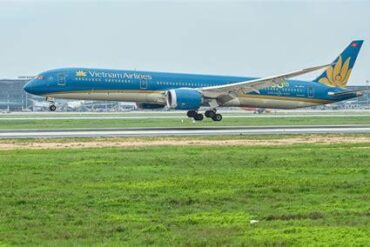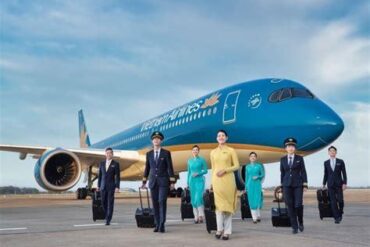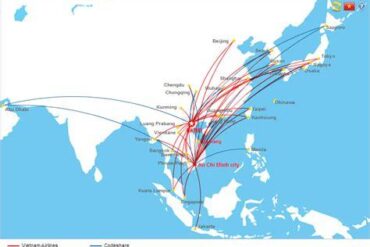
As Vietnam’s national flag carrier, Vietnam Airlines holds a symbolic and operational prominence that reflects the country’s aspirations for modernization and international outreach. Headquartered in Hanoi, and operating from its two primary hubs — Noi Bai International Airport (HAN) and Tan Son Nhat International Airport (SGN) — the airline bridges the Southeast Asian aviation network with key destinations across Asia, Oceania, and Europe.
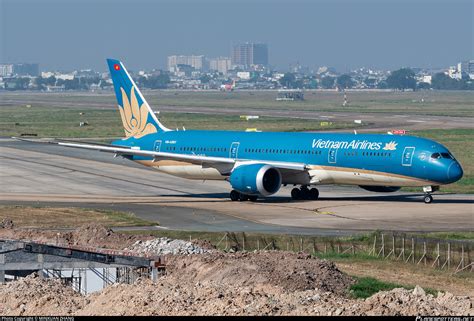
Founded in 1956 under the name Vietnam Civil Aviation, the carrier has undergone significant transformations. Now a member of the SkyTeam Alliance, Vietnam Airlines shares connectivity and code-sharing partnerships with over 20 global carriers. Its fleet of 92 aircraft includes modern wide-bodies such as the Boeing 787 Dreamliner and Airbus A350, enabling a wide operational range and cabin variety that spans from Business Class to Deluxe Economy and Economy.
Passenger Experience: A Spectrum of Reviews
Vietnam Airlines has accrued over 8,600 reviews on TripAdvisor, reflecting a mixed but generally favorable perception. With an overall score of 3.5 out of 5, the airline draws both praise and criticism — primarily depending on flight sector (domestic vs international), class of service, and expectations of reliability and comfort.
Strengths Highlighted in Reviews
The airline consistently earns high marks in several areas:
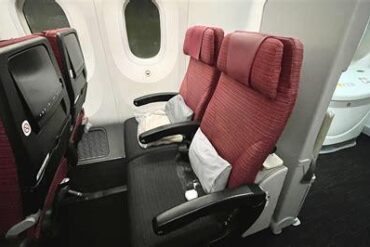
- Legroom and Seat Comfort: Particularly on long-haul routes aboard the Dreamliner and A350, passengers report generous legroom and ergonomic seating — especially in Business and Premium Economy.
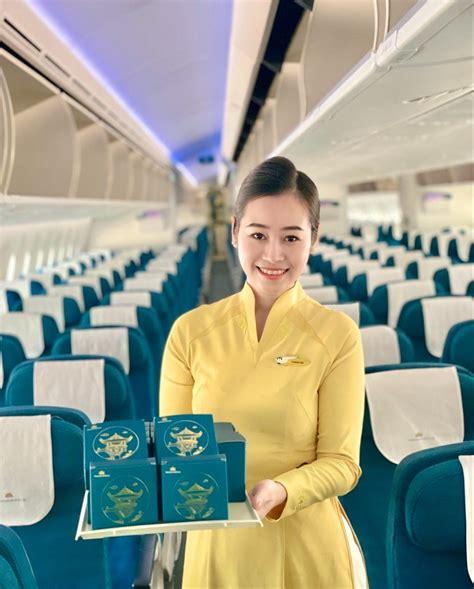
- Onboard Service and Amenities: Reviewers note the availability of blankets, pillows, headsets, hand towels, and meals, even on short-haul flights. The cleanliness of cabins and the fully stocked lavatories (with toothbrushes, razors, and cotton buds) suggest a thoughtful full-service approach.
- Customer Support for Special Needs: Numerous testimonials mention exceptional assistance for elderly and disabled travelers, with airline staff going beyond protocol to ensure a seamless boarding and in-flight experience.
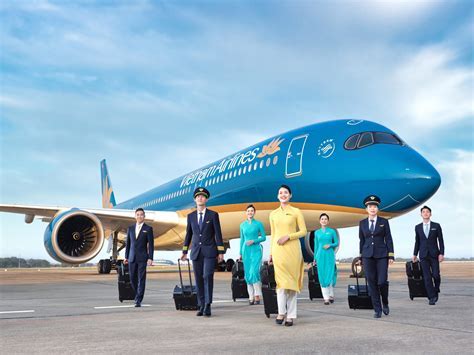
One verified traveler shared an account of their 74-year-old mother’s first flight, commending the priority boarding, in-flight comfort, and proactive crew. From food quality to the provision of razors and toothpaste in the lavatory, the traveler characterized the experience as “phenomenal.”
Cabin Classes and In-Flight Entertainment
Vietnam Airlines’ cabin classes are structured to align with international standards:
- Economy Class: Consistent on both domestic and regional routes. Seat configurations vary by aircraft but are generally comfortable for short- to mid-haul journeys. Entertainment screens are available on most international flights.
- Deluxe Economy: A relatively recent addition offering extra legroom, larger screens, and enhanced meal service.
- Business Class: Full-flat beds, direct aisle access, high-quality Vietnamese and Western cuisine, priority check-in, lounge access, and noise-cancelling headphones characterize this tier. Business passengers flying on the 787 or A350 particularly highlight the comfort of the lie-flat seats.
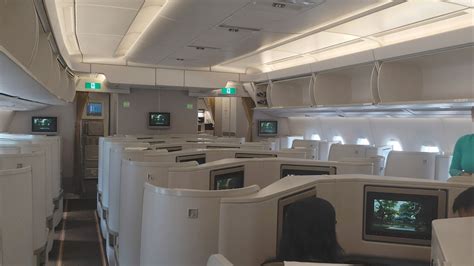
Entertainment receives mixed reviews. While content selection spans genres and regions, some travelers report malfunctioning seatback screens, limited English content, and poor resolution, particularly on aging aircraft or inconsistent system updates. A lack of onboard Wi-Fi remains a competitive disadvantage when compared to leading global airlines.
Flight Delays and Operational Challenges
Where Vietnam Airlines begins to lose altitude is in its punctuality and operational consistency. A notable volume of reviews highlight delays, especially on domestic routes like Hanoi–Da Nang or Ho Chi Minh City–Phu Quoc. These delays often occur without clear communication, causing frustration for travelers expecting timely services.
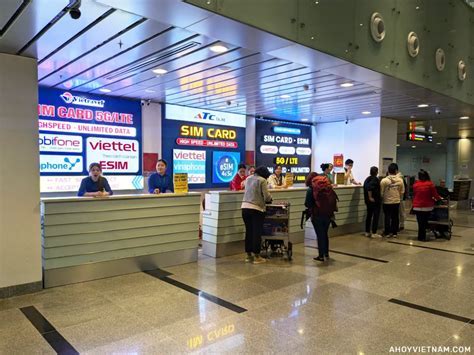
A recent traveler wrote about a 2.5-hour delay from Da Nang to Hanoi, with no formal announcement or apology, which disrupted their day entirely. Another review covering a Hanoi to London flight mentioned non-functioning entertainment systems, seat defects, and lackluster compensation efforts for Premium Economy customers — further amplified by an inadequate safety demonstration, raising questions about in-flight compliance standards.
Customer Service and Issue Resolution
Vietnam Airlines’ customer service is a point of contention. While in-person staff are frequently described as friendly and apologetic, many passengers have faced difficulties with online support, refund processing, and compensation handling. One customer highlighted an unresolved seat selection issue stemming from a “system error” that took over two months of repetitive contact with no resolution.
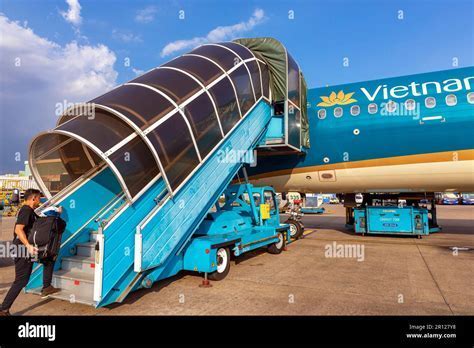
Such examples suggest that while frontline staff are generally professional, the back-office systems and escalation protocols lack responsiveness and transparency — a critical weakness for an airline competing in an era of hyper-connectivity and rapid feedback loops.
Food and Beverage Service: A Cultural Highlight
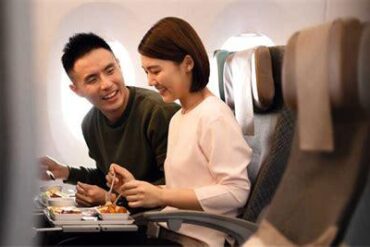
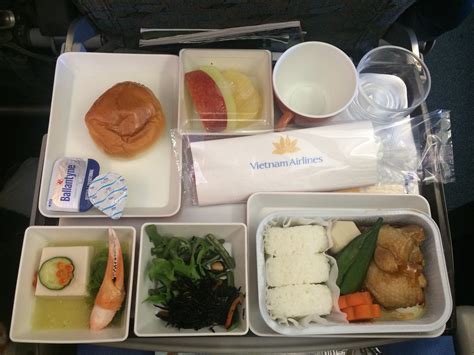
Vietnam Airlines excels in its culinary offerings, particularly on long-haul flights. Meals include both Western dishes and Vietnamese specialties such as pho, fish stew, and fresh tropical fruit. Beverages, including local teas and fruit juices, are frequently praised. Complimentary alcoholic beverages are available in most international sectors.
That said, lapses in meal accuracy and temperature control have also been noted. One couple flying during their honeymoon to London received the wrong entrée without notification — an issue compounded when the requested item was lukewarm upon reheating. Dessert redundancy across meals and limited vegetarian or religious-friendly meal options were further sources of dissatisfaction.
Safety and Fleet Maintenance Concerns
Although no major safety incidents have been recorded in recent years, a few reviewers raised concerns about aircraft condition and maintenance transparency. One flyer posted images of what appeared to be patch repairs on a wing, describing it as an “accident waiting to happen.” While these claims are anecdotal and not evidence of regulatory breach, perception matters, especially in aviation, where trust in equipment reliability is paramount.
Lounge Access and Premium Services
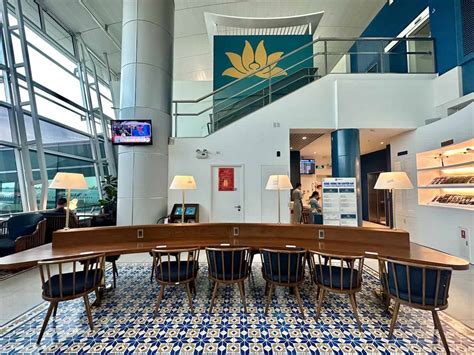
Vietnam Airlines operates Lotus Lounges at major Vietnamese airports, including Noi Bai, Tan Son Nhat, and Da Nang. These lounges offer hot meals, high-speed Wi-Fi, massage chairs, shower facilities, and quiet workspaces. Business Class and Elite SkyTeam members receive complimentary access, while Economy passengers can purchase entry.
The lounges are widely praised for their clean design and authentic Vietnamese cuisine, but peak hour congestion and limited international news options are recurring critiques.
Value for Money: Competitive but Inconsistent
Vietnam Airlines offers competitive pricing, particularly on intra-Asia routes. However, when pricing escalates — especially in Premium Economy or Business Class — the expectations intensify, and that’s where service gaps become more glaring. A Premium Economy fare nearly double the price of Economy that delivers substandard entertainment, incorrect meals, and slow issue resolution is bound to receive negative sentiment.
Still, many travelers express their willingness to fly Vietnam Airlines again, especially when traveling domestically or when price and direct routing outweigh minor service lapses. Frequent flyers who value Vietnamese hospitality, traditional food, and spacious aircraft layouts may find it well-suited for their needs.
Conclusion: A National Carrier in Transition
Vietnam Airlines is a carrier in flux — balancing its historic legacy with the expectations of a globalized passenger base. Its strengths in onboard service, cultural authenticity, and fleet modernity are tangible, but issues around punctuality, system reliability, and customer service consistency threaten its credibility at the premium end of the market.
As the airline faces rising competition from Singapore Airlines, Emirates, and even low-cost rivals like VietJet, its ability to maintain a full-service reputation while modernizing its support infrastructure will define its future standing. Vietnam Airlines may not yet rival the likes of the world’s top five carriers, but its foundation is strong — and with sharper execution, it has every potential to soar higher.