Flying into the wild, rugged terrain of the backcountry doesn’t have to come with a heavy price tag. In fact, some of the most affordable backcountry-capable aircraft are simpler, older models or kit-built planes that still offer impressive performance off-strip. In this deep dive, we examine which aircraft offer the best value for bush flying, especially when tied down outdoors year-round, using real-world pilot insights and ownership experiences.
The consensus? Keep it light, simple, and metal—if you want low acquisition costs, low operating expenses, and dependable off-grid performance.
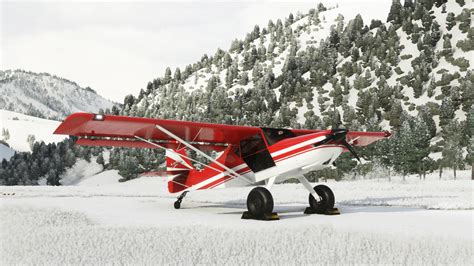
Maule M‑4‑220C: Affordable Power With Utility
Todd Giencke opened the discussion with his Maule M-4-220C, praising its balance of power and backcountry capabilities. The Maule line is known for STOL (Short Takeoff and Landing) performance, and the M-4’s 220 hp engine gives it real muscle when climbing out of short fields or hauling loads. Yet, it remains surprisingly economical compared to more premium taildraggers.
The caveat with Maules, including the M-4, is their fabric covering and somewhat higher burn rate. But for a pilot wanting solid utility on a budget—and willing to tie down outside with covers—this model shines.
Citabria 7GCBC: Taildragger Simplicity With Aerobatic Flair
A standout in the discussion was the 1976 Citabria 7GCBC, which remains a favorite among recreational and utility flyers alike. Powered by a 150 hp Lycoming engine and burning just 6.5 gph, it offers a great balance of power and efficiency.
Strata Rocketeer highlighted his Citabria’s use of cheaper autogas via an STC (Supplemental Type Certificate), further cutting operational costs. However, a potential FAA airworthiness directive on wood spars may introduce additional maintenance or retrofit costs down the road.
Nonetheless, the Citabria’s aerobatic capability and solid taildragger heritage make it a strong contender for budget-conscious bush pilots.
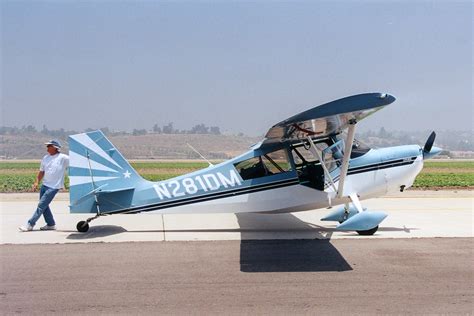
Kitfox Series: Ultimate Backcountry Agility in a Kit
For those seeking ultralight utility, the Kitfox (Model IV Speedster) emerged as a top recommendation. Built with a Rotax 912 engine, the aircraft is exceptionally fuel-efficient, with versions running 80 to 100 hp. It’s a DIY dream that rewards mechanically inclined owners with low maintenance costs and customizability.
Mtbowhunter praised his tundra-equipped Kitfox for its ability to land on 250-foot frozen lake strips, carry another adult and baggage, and cruise at 115 mph. When you combine that with the low initial investment and DIY repairs, the Kitfox becomes a go-to for grassroots backcountry adventure.
Its 21×12×8 tundra tires from MiPPi ultralights, available for about $60 each, add affordability to its ruggedness.
Aeronca Champ: Backcountry Access for Under $25K
Crazyivan’s experience with a modified Aeronca Champ perfectly represents low-cost, effective bush flying. He paid just $20,000 for a Champ with a rebuilt engine and wings, featuring a 90 hp engine, STOL kit, extended bungee gear, and no electrical system.
Its 5 gph fuel burn and ability to run on automotive gasoline make the Champ an ideal choice for budget flying. The parts are widely available, maintenance is straightforward, and the flying experience is pure stick-and-rudder fun.
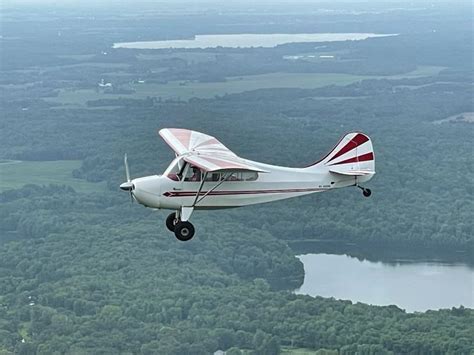
Luscombe 8E/8F: Classic Metal and Minimal Burn
For sheer fuel efficiency, it’s hard to beat the Luscombe 8 series. Crazyivan reports burning just 3.12 gph on local hops, an astonishing figure for a certified two-seat aircraft. Its all-metal construction and relatively straightforward systems make it ideal for tying down in varied weather conditions.
The baggage space is minimal, though some aircraft may have FAA Form 337-approved baggage extensions. While it can be more demanding to fly than docile trainers, the Luscombe rewards precision and low operating costs in one polished aluminum package.
Cessna 140A and C150 Tailwheel Conversions: Certified Strength in Simplicity
A popular recommendation among multiple owners was to seek out all-metal, certified aircraft from the 1940s to 1960s, especially Cessna models like the C-140A, C-150, and their tailwheel conversions (TDs).
Hotrod180 endorsed these for their robust airframes, affordable O-200 or O-235 engines, and excellent fuel economy at 150–200 hours per year. Cessna 150s and 152s with the Sparrowhawk 125 hp upgrade also earned praise for being widely available and reliable.
When converted to tailwheel configuration, these aircraft become extremely competent short-field flyers—ideal for unimproved strips and tiedown scenarios. Models built from 1959–63 with straight tails and manual flaps are particularly valued for their lighter weight and mechanical simplicity.
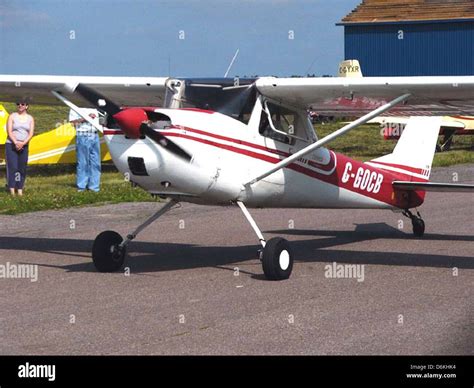
Piper PA‑20 Pacer and PA‑22 Tri-Pacer: Four-Seat Utility at Budget Rates
Despite having fabric-covered fuselages, the Piper PA-20 Pacer and its tricycle-gear cousin, the PA-22 Tri-Pacer, stood out as affordable bush-capable airframes with room to spare.
KB and BRD noted that a 160 hp Pacer offers great load capacity, excellent off-airport characteristics, and reasonable operating costs (around $75 per hour wet). Though heavier than two-seat trainers, Pacers and Tri-Pacers can remove the back seat for extra camping gear space, making them a solid budget platform for remote exploration.
Cessna 170 and 172: High-Wing Versatility With Community Backing
While not the cheapest to buy outright, the Cessna 170 and early 172 models with Continental O-300 engines offer reliable, broad-spectrum flying with solid backcountry potential. Their strengths lie in dependability, parts support, and a large owner community.
With the back seat removed, the Cessna 170 can haul camping gear easily, and the 172 is often cited as a “do-it-all” airplane when paired with tundra tires and light modifications. These aircraft are easy to resell, and their values hold well, which offsets the slightly higher upfront investment.
RANS S-7 and Murphy Rebel: Modern Kits With Backcountry DNA
For pilots looking for something newer yet still affordable, RANS S-7 Courier and Murphy Rebel kitplanes surfaced as worthy alternatives. These lightweight aircraft offer good STOL performance and can be built or bought used at a lower cost than many certified planes.
They’re often lighter than legacy aircraft, meaning shorter takeoffs and better efficiency. Plus, their metal or composite construction paired with modern engines ensures longer service life and reduced downtime.
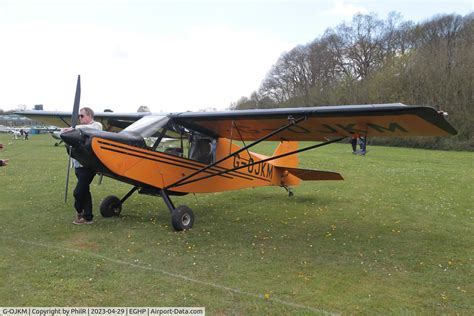
Key Takeaways: Most Affordable Aircraft for Backcountry Flying
From certified classics to experimental kits, the cheapest aircraft to own for backcountry flying share some common traits:
- Simple systems (manual flaps, no electrics)
- Low fuel burn (3–6 gph typical)
- Tailwheel configuration for short and rough strips
- Metal airframes preferred for outdoor tiedown
- STC approval for auto fuel where applicable
Models like the Kitfox IV, Citabria 7GCBC, Aeronca Champ, Luscombe 8E, and Cessna 140A dominate for their low acquisition cost, ease of maintenance, and adaptability to the bush. When selecting a backcountry flyer, pilots should weigh not only initial purchase price but also parts availability, fuel options, hangar alternatives, and modification potential.
Ultimately, success in backcountry aviation isn’t about spending the most—it’s about choosing the right aircraft that suits your mission, skill level, and budget.