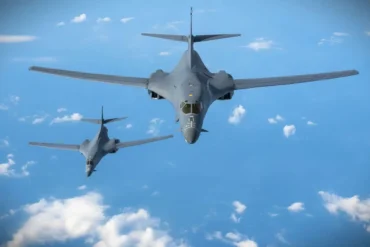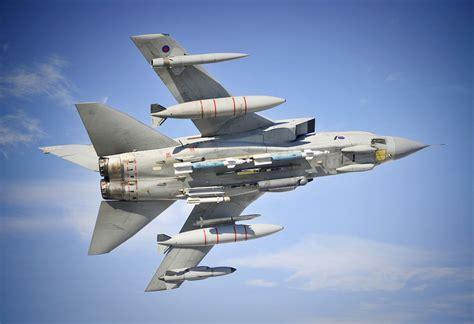
The sudden appearance of the United Kingdom’s Royal Air Force (RAF) in South India has stirred both curiosity and satire across online communities. While meme culture thrives on colonial callbacks and cheeky one-liners, the reality involves intricate layers of strategic military coordination, geopolitical logistics, and global defense partnerships. Behind those low-flying RAF A400M Atlas aircraft and hushed activity around Indian airbases lies a practical explanation grounded in 21st-century defense imperatives rather than 19th-century imperial nostalgia.
Strategic Airlift and Logistics: Modern Defense Realities
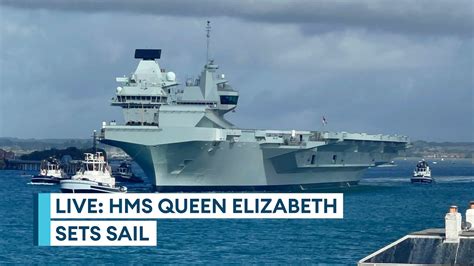
At the heart of the Royal Air Force’s presence in South India is the logistical coordination for extended naval and air operations. The UK’s Carrier Strike Group, led by the HMS Queen Elizabeth, is currently en route through the Indian Ocean to the Pacific and South China Sea. This expansive operation, one of the largest undertaken by the Royal Navy in recent years, involves a complex web of logistical support, including prepositioning specialized military stores, ammunition, maintenance equipment, and personnel. South India serves as a practical pitstop within this chain.
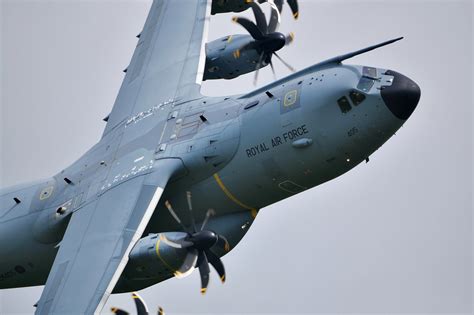
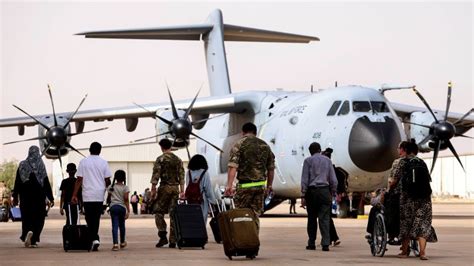
The A400M, a four-engine military transport aircraft capable of carrying heavy and sensitive equipment, has become a key player in this operation. Its presence at airbases like those in Kochi, Thiruvananthapuram, or Bangalore reflects more than a transit route — it is part of a coordinated effort to ensure uninterrupted maritime and air capability as the carrier group maneuvers into more contested waters.
The Shell Factory Connection: South India’s Defense Industry Role
An often-overlooked factor in this military choreography is the industrial-military infrastructure in South India. As confirmed by open-source aircraft tracking data and local observers, RAF aircraft have repeatedly landed at airstrips near Bangalore, a region home to critical defense production facilities, including government-run ammunition plants. The Ordnance Factory Board (OFB) in Ammunition Factory Kirkee and associated satellite units across South India have long produced NATO-compatible artillery shells and ammunition.
In recent months, there have been verified reports of NATO countries sourcing ammunition stockpiles from South Asia, rerouting them via air corridors to Poland, from where they are then distributed to Ukrainian forces engaged in the ongoing war with Russia. The Royal Air Force plays a pivotal role in this effort, executing rapid extraction missions from partner nations, including India, to bolster Ukraine’s dwindling artillery reserves.
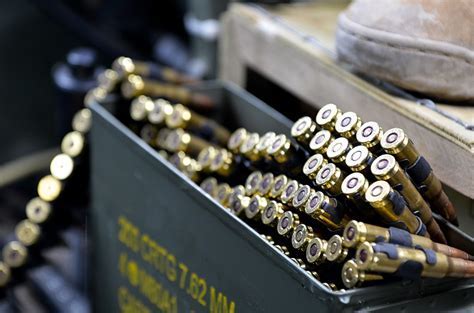
This practice is not isolated. Several military analysts suggest that weekly flights by RAF and Luftwaffe aircraft to South Indian defense factories point to a consistent logistical agreement or short-term procurement strategy, possibly in response to global production shortfalls among NATO suppliers.
Geopolitical Context: Indo-UK Strategic Partnership
Beyond military necessity, the presence of the Royal Air Force in India is emblematic of evolving Indo-British defense cooperation. As both countries seek to redefine their post-colonial relationship through mutual strategic interests, joint military exercises and defense supply chain integration have increased significantly.
The UK’s Integrated Review of defense and foreign policy emphasizes a “tilt to the Indo-Pacific,” citing India as a pivotal partner. In 2021, both nations signed an Enhanced Trade Partnership (ETP) and outlined defense technology collaboration as a future objective. The increasing footprint of British military activity in Indian territory, especially in non-combat roles like logistics and transportation, reflects a growing alignment on defense interoperability.
It’s not imperialism redux — it’s 21st-century military diplomacy.
Carrier Strike Group and Indian Ocean Presence
The Carrier Strike Group 2025 is on a high-profile mission, not only showcasing British military capability but also projecting influence in contested maritime regions such as the South China Sea. As the task force makes its way through the Indian Ocean Region (IOR), it requires coordinated refueling, equipment swaps, personnel rotations, and emergency fallback bases — all of which necessitate reliable, friendly staging points.
India’s Andaman and Nicobar Command, its tri-service theater command, and airbases in Kerala and Karnataka offer viable locations for allied cooperation. Unlike Diego Garcia, which is largely reserved for US-British operations, the Indian mainland provides a politically convenient and geographically central staging ground.
Echoes of Empire or Efficient Realpolitik?
Commentary from netizens veers into tongue-in-cheek references to colonial nostalgia, with jokes about “returning for the Kohinoor” or “collecting the takeaway.” However, such narratives overlook the clear strategic rationale behind the RAF’s operations in the region.
The Royal Air Force is not deploying bombers or fighters, nor is it garrisoning troops. Instead, the aircraft in question — predominantly A400Ms and C-17 Globemasters — are configured for cargo missions. Their presence aligns with NATO-aligned logistics efforts, support for Ukraine, and preparations for the Pacific leg of a naval operation.
Why South India Specifically?
Geographically, South India offers a unique advantage: it sits at the intersection of maritime trade routes and aviation corridors connecting Europe, Africa, Southeast Asia, and Australia. The southern peninsula’s strategic geography, combined with existing defense manufacturing capabilities, makes it a logical hub for transient military operations.
Additionally, the southern states have relatively uncongested airspace compared to the Indo-Gangetic Plain, simplifying military aviation traffic. Cities like Bangalore, home to Hindustan Aeronautics Limited (HAL) and the Aeronautical Development Establishment, further solidify the region’s importance in India’s defense sector.
Indian Government’s Calculated Cooperation
India has neither confirmed nor denied any specific permissions granted to the UK Royal Air Force, following its long-standing policy of strategic ambiguity in military logistics cooperation. However, the very existence of these movements — documented through aircraft radar tracking and local witness reports — confirms that such cooperation is sanctioned at the highest levels.
This arrangement allows India to maintain its image as a neutral power while leveraging the benefits of cooperation with NATO powers. It enables access to Western defense technologies, opportunities for co-production, and enhanced geopolitical standing, especially in the context of its long border disputes with China.
Conclusion: A Strategic Convergence, Not a Colonial Relapse
The Royal Air Force’s presence in South India is not a ghost of imperial pasts returning to reclaim lost dominions. Rather, it is a reflection of the evolving global defense landscape, where partnerships are tactical, logistics are globalized, and nations operate with overlapping interests across continents.
For India, it’s a chance to reinforce its position as a critical node in the Indo-Pacific security architecture. For the United Kingdom, it’s about operational reach, alliance support, and reasserting relevance in a shifting global order.
The satire might make for good Reddit comedy, but the truth lies in hard strategy, air miles, and the quiet thunder of turboprops landing in the southern skies.