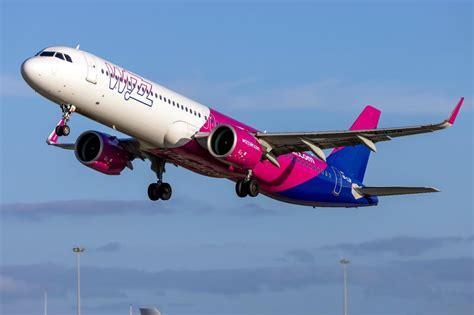
Wizz Air, one of Europe’s leading low-cost carriers, has confirmed it will terminate its popular route between Liverpool John Lennon Airport and Budapest this autumn, marking a significant shift in regional connectivity for travelers in both the United Kingdom and Hungary. The move, which reflects a broader reconfiguration of Wizz Air’s route network, is likely to impact both leisure and business passengers who have come to rely on the airline’s competitive pricing and direct access to Hungary’s capital.
The route between Liverpool and Budapest has long served as a critical corridor for students, professionals, and tourists, offering an affordable and direct connection to one of Central Europe’s most dynamic capitals. However, as Wizz Air pivots towards higher-performing markets, this particular route no longer aligns with the airline’s strategic direction.
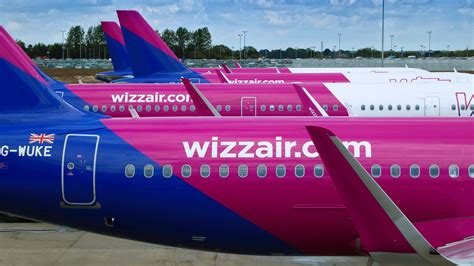
Strategic Shift: Why Wizz Air is Exiting the Liverpool–Budapest Route
Wizz Air’s decision to discontinue its Liverpool–Budapest service is not an isolated incident but rather part of its ongoing route optimization strategy. In recent years, the airline has consistently reviewed its route portfolio to ensure maximum profitability and operational efficiency. According to internal sources, this latest move was influenced by several converging factors:
- Route performance: Lower-than-expected passenger loads on certain legs, particularly outside peak travel seasons, may have affected profitability.
- Market saturation: Increased competition from rival carriers like Ryanair has diluted Wizz Air’s dominance on the route.
- Fleet realignment: Aircraft are being reallocated to routes with stronger yield and passenger demand across Central and Eastern Europe.
While disappointing for regular users of the route, the move signals a continued focus on agility and adaptability in Wizz Air’s business model. It is worth noting that the carrier still maintains operations from Liverpool to a host of other European cities including Warsaw, Katowice, Gdansk, Bucharest, and Iasi, indicating that the airport remains a valued node within the airline’s network.
Ryanair Steps In to Fill the Void
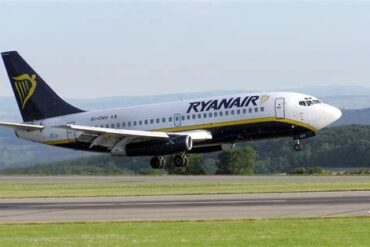
The silver lining for passengers is that Ryanair will continue to serve the Liverpool to Budapest route, ensuring that connectivity between the two cities remains intact. As one of the most dominant players in Europe’s low-cost air travel market, Ryanair has the operational muscle and network flexibility to absorb demand.
Ryanair’s continued presence on the route offers several advantages:
- Competitive pricing: Maintaining affordable travel options despite Wizz Air’s exit.
- Flight frequency: Regular departures, especially during weekends and holidays.
- Online and mobile booking ease: Seamless reservation and check-in processes.
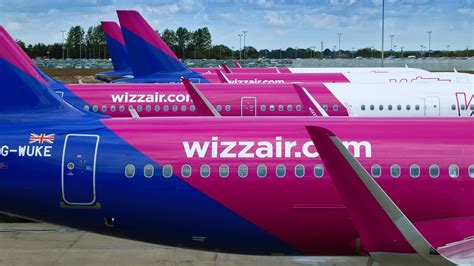
For frequent travelers, Ryanair’s consistent service ensures that direct access to Budapest remains practical, reliable, and economical, cushioning the blow from Wizz Air’s departure.
The Passenger Impact: Business, Leisure, and Student Travelers
The implications of this route cancellation go beyond simple scheduling changes. The Liverpool–Budapest corridor has long been a popular route for diverse traveler demographics:
- Students attending universities in Liverpool or Budapest, who benefited from low-cost semester commutes.
- Business travelers who relied on direct flights to meet clients or attend conferences in Hungary’s thriving economic sectors.
- Tourists attracted by Budapest’s iconic attractions — from thermal baths to historic architecture — and Liverpool’s vibrant cultural scene.
For these groups, Wizz Air’s exit introduces inconvenience, especially if Ryanair’s remaining flights are not scheduled at preferred times or become overbooked during peak periods. Nonetheless, the route is expected to remain active and competitive thanks to Ryanair’s extensive network and robust scheduling capacity.
Liverpool John Lennon Airport’s Role in European Connectivity
While losing a direct connection to Budapest is a notable change, Liverpool John Lennon Airport (LJLA) continues to function as an important hub for international travel. The airport maintains strong links to numerous Central and Eastern European destinations via Wizz Air and other operators.
Current Wizz Air destinations from LJLA include:
- Warsaw (WAW) – Poland’s capital and business hub
- Katowice (KTW) – An emerging industrial and tech city
- Gdansk (GDN) – A historic port city with increasing tourist draw
- Bucharest (OTP) – Romania’s dynamic capital
- Iasi (IAS) – A university city popular with exchange students
The continued service to these cities ensures that Liverpool remains a gateway to Eastern Europe, even as the Budapest link is severed. Additionally, the airport has emphasized its commitment to expanding partnerships with carriers to open new routes that align with current and projected demand trends.
Budapest: A Destination in Demand
Budapest remains one of Europe’s most visited urban centers, attracting millions of travelers annually with its rich cultural heritage, unique thermal bath culture, thriving nightlife, and historic architecture. The city’s tourism economy is robust, drawing visitors from across the UK and beyond.
Hungary’s capital also serves as a key hub in the regional economy, boasting:
- A growing startup and tech sector
- Cultural festivals and international conferences
- Historical sites like Buda Castle, Parliament Building, and the Chain Bridge

Given the destination’s appeal, it is likely that additional capacity from other airlines could eventually emerge to supplement Ryanair’s offering. For now, Ryanair’s presence keeps the city within reach for UK-based travelers.
Wizz Air’s Broader Network Evolution
Wizz Air’s decision is part of a broader pattern seen across European aviation in 2025. Facing high operational costs, shifting demand, and tighter competition, many budget airlines are reevaluating their route maps to remain viable in the post-pandemic, inflation-impacted economy.
Notably, Wizz Air has been investing in other higher-demand corridors, including:
- Expanding its Italian and Spanish footprints
- Increasing frequencies to Romanian regional airports
- Enhancing summer operations to popular holiday destinations
This agile redeployment of resources ensures the carrier maintains profitability while preserving customer trust in its network reliability and affordability.
Looking Ahead: What Travelers Should Expect
The end of Wizz Air’s Liverpool–Budapest route is a reminder of how rapidly the aviation landscape can shift. While routes may close due to internal cost-benefit analyses, passengers are rarely left without alternatives for long. Ryanair’s strong foothold ensures continued access, and Liverpool John Lennon Airport remains committed to route expansion.
Passengers who previously relied on Wizz Air are advised to:
- Book alternative flights in advance, especially during holiday seasons
- Explore alternative departure points such as Manchester Airport if schedules are more favorable
- Monitor Wizz Air’s announcements, as seasonal adjustments may bring back routes temporarily or under codeshare agreements
The competitive nature of budget air travel often results in routes being paused rather than permanently retired, particularly for high-demand destinations like Budapest.
Conclusion: A Farewell, but Not the End
Wizz Air’s decision to exit the Liverpool to Budapest market is a calculated business move, reflecting its efforts to optimize efficiency amid a complex travel climate. However, with Ryanair continuing to operate the route and Liverpool John Lennon Airport maintaining a rich offering of other Central and Eastern European flights, passengers still enjoy viable, affordable travel options.
While this marks the end of an era for many loyal Wizz Air customers who favored this specific corridor, it is not a terminal point for UK–Hungary travel. The route remains very much alive — albeit under different wings.