Air travel, at first glance, feels standardized—rows of seats, overhead bins, dim lighting, and the familiar hum of engines. Yet beneath that uniformity lies a surprisingly intricate ecosystem of design decisions, subtle innovations, and passenger-focused tweaks that most travelers barely register. Frequent flyers, however, begin to notice patterns. They spot the quiet upgrades, the clever workarounds, and the small details that quietly transform a flight from tolerable to genuinely comfortable.
These features rarely make headlines, and airlines seldom advertise them loudly. But they matter—sometimes more than the seat pitch or meal quality. They shape how you rest, how you stay entertained, and how you navigate hours in a confined space at 35,000 feet.
USB Ports That Quietly Replace the Power Bank Era
The humble USB port has become one of the most appreciated additions to modern aircraft cabins, though it rarely gets the attention it deserves. As personal electronics have evolved into essential travel companions, airlines have had to adapt. Laptops, tablets, smartphones—these are no longer luxuries but necessities, especially on long-haul routes.
Unlike traditional AC outlets, which must accommodate a patchwork of international plug standards, USB ports offer a universal, low-friction solution. Most are positioned subtly—tucked under seatback screens, hidden near armrests, or embedded between seats. Once you know where to look, you start spotting them everywhere.
The shift toward USB-C compatibility has further elevated their usefulness. Many modern laptops can now charge directly via USB-C, meaning a single cable can power multiple devices. That simplicity is invaluable when you’re juggling limited space and battery anxiety mid-flight.
What makes this feature especially significant is its role in reducing reliance on power banks—devices increasingly scrutinized due to safety concerns. In a way, the quiet presence of a USB port reflects a broader shift toward integrated, safer cabin power solutions.
Redesigned Overhead Bins That Transform Cabin Space
Overhead bins used to be one of the biggest sources of stress during boarding. The scramble for space, the awkward lifting angles, the inevitable gate-check announcements—it was all part of the ritual. But newer aircraft designs have quietly rewritten that experience.
Modern configurations like Boeing’s Space Bins and Airbus’s Airspace XL compartments dramatically increase storage capacity. The difference isn’t subtle: passengers can now store carry-ons vertically instead of sideways, effectively boosting capacity by more than 50% in some layouts.
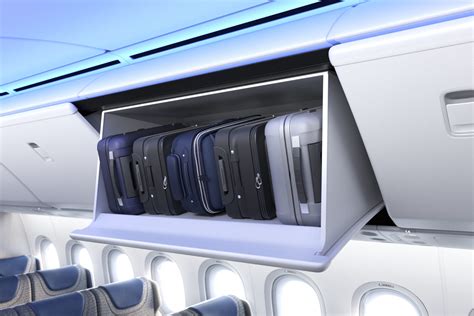
Even more interesting is the mechanical redesign. Older bins hinged downward, requiring passengers to lift bags overhead and push them inward. Newer bins often pivot upward, allowing for more natural loading and reducing strain.
The psychological effect is just as important as the practical one. A cabin with larger bins feels less cramped, more breathable, and noticeably calmer during boarding. Frequent flyers recognize this immediately—it’s the difference between a chaotic start and a surprisingly smooth one.
Adaptive Ambient Lighting That Resets Your Internal Clock
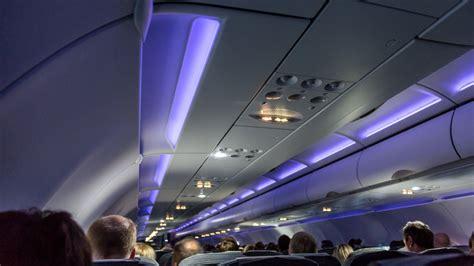
Lighting in aircraft cabins has evolved from a basic on-off system into a sophisticated mood and circadian management tool. Modern LED systems can subtly shift color temperature and intensity throughout a flight, often without passengers consciously noticing.
Instead of abrupt changes, lighting transitions are gradual and almost imperceptible. A cabin might shift from bright white during boarding to warm amber tones during meal service, then fade into deep blues and purples to encourage sleep on overnight flights.
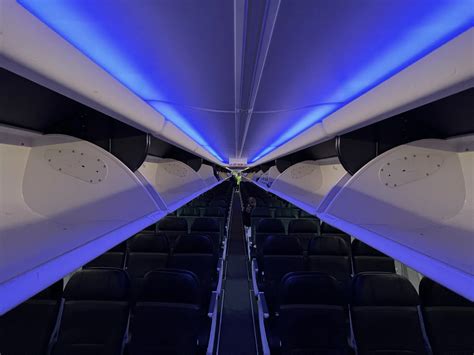
Frequent flyers often realize this only in hindsight—when they notice they fell asleep more easily or felt less disoriented upon arrival. That’s not accidental. Airlines are increasingly using lighting to reduce jet lag and improve passenger well-being.
It’s also a subtle branding tool. Different airlines use distinct color palettes, creating a recognizable “atmosphere” that becomes part of their identity. Once you’ve flown enough, you can almost identify an airline by its lighting alone.
Dimmable Windows That Replace the Classic Shade
On newer aircraft like the Boeing 787 Dreamliner and Airbus A350, traditional window shades are disappearing. In their place are electrochromic dimmable windows, which allow passengers to control light levels with the push of a button.
Instead of snapping a shade up or down, these windows gradually tint, offering fine control over brightness while maintaining visibility outside. You can soften harsh sunlight without losing the view entirely—a small but meaningful upgrade.
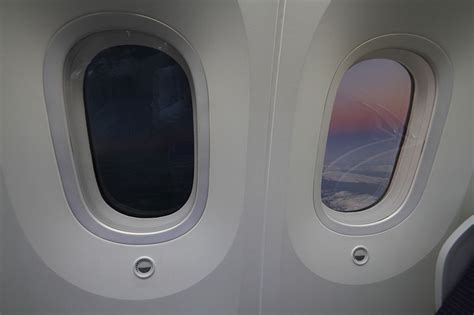
There’s also a practical advantage for airlines. Cabin crew can centrally control window settings during critical phases like takeoff and landing, ensuring safety compliance without manually checking each row.
Frequent flyers appreciate the nuance here. It’s not just about blocking light—it’s about customizing your environment in a way older cabins simply couldn’t offer.
Wireless BYOD Entertainment That Feels Effortless
In-flight entertainment has quietly undergone a revolution. Instead of relying solely on seatback screens, many airlines now offer BYOD (Bring Your Own Device) systems powered by onboard Wi-Fi networks.
The process is deceptively simple: connect to the aircraft’s network, open a browser, and instantly access a portal filled with movies, TV shows, music, and games—no internet required.
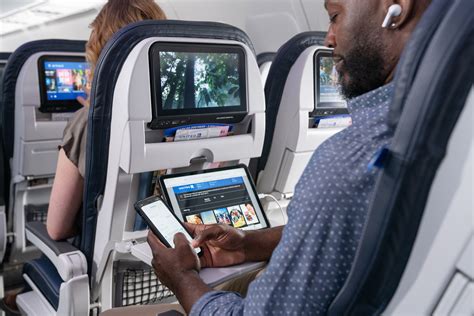
What makes this system stand out is its intuitive design. Even first-time users often figure it out within seconds. There’s no need for apps or complicated instructions, making it accessible across devices and age groups.
For airlines, the benefits are equally compelling. Removing seatback screens reduces weight, lowers fuel consumption, and simplifies maintenance. For passengers, it offers flexibility—especially if you prefer your own device’s screen quality and familiarity.
Frequent flyers often come prepared, with fully charged devices and headphones ready. To them, this system feels less like a novelty and more like the new standard of in-flight entertainment.
Dual-Purpose IFE Controllers That Hint at Aviation’s Past
On older wide-body aircraft, a small but fascinating relic remains: the wired in-flight entertainment controller. At first glance, it looks like a simple remote. But flip it over, and you might find a game controller layout, complete with directional pads and buttons.
This dual-purpose design reflects an era when airlines experimented with onboard gaming and interactive features. Some controllers even included credit card readers for in-seat purchases or telephony services—a concept that now feels almost retro.
Using one today feels like stepping into a time capsule. It’s not as sleek as modern touchscreens, but it’s surprisingly functional. For frequent flyers, it’s a reminder of how far cabin technology has come—and how certain innovations quietly persist.
The Infamous Two-Prong Headphone Jack
Few features confuse first-time travelers more than the two-prong headphone jack found on older aircraft. Designed primarily to discourage passengers from taking airline-issued headphones, this system requires a special adapter to use personal audio gear.
While it might seem inconvenient, it reflects a practical concern: cost control at scale. Even inexpensive headphones become a significant expense when multiplied across thousands of flights.
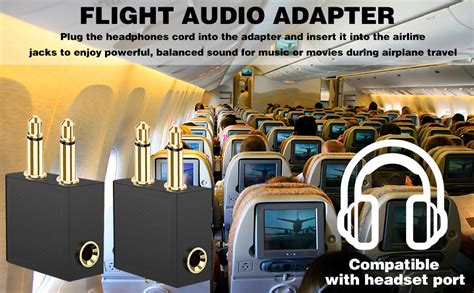
Today, many airlines are transitioning to standard single jacks or even Bluetooth connectivity. But the two-prong system still lingers, especially on older fleets.
Frequent flyers often carry a small adapter—a simple, inexpensive tool that unlocks a much better audio experience. It’s one of those tiny habits that separates seasoned travelers from everyone else.
Hidden Armrest Buttons That Unlock Extra Space
Airplane seats aren’t known for generosity, especially in economy class. But there’s a small secret many passengers never discover: the hidden button that lifts the aisle armrest.
Typically located near the hinge, this discreet mechanism allows the armrest to swing upward, creating a bit more personal space—enough to make a noticeable difference on longer flights.
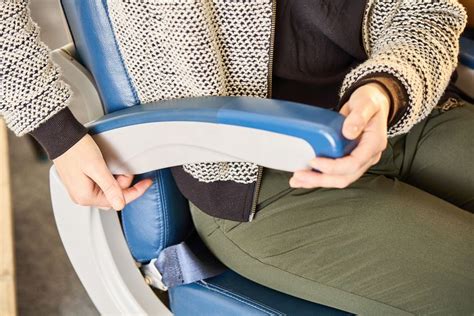
It’s not available on every aircraft, and it’s intentionally subtle to prevent misuse during critical phases of flight. But once you know it exists, it’s hard to ignore.
Frequent flyers often check for it instinctively, treating it as a small but meaningful comfort upgrade.
Lower Deck Lavatories—A Rare Aviation Curiosity
One of the most unusual cabin features ever implemented is the lower deck lavatory, found on select Airbus A340 aircraft operated by Lufthansa. Accessible via a staircase, these lavatories are located in the aircraft’s belly.
The concept is both practical and unconventional. By relocating restrooms, airlines can free up space on the main deck, reduce aisle congestion, and improve passenger flow during long-haul flights.
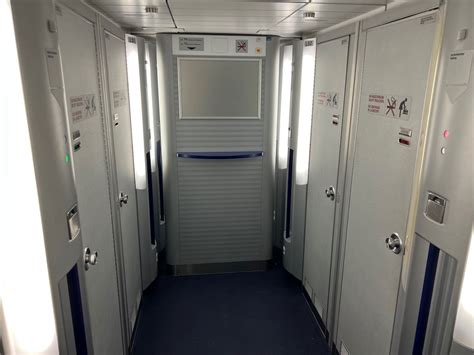
However, the trade-offs—reduced cargo capacity and increased operational complexity—have limited widespread adoption. As the A340 approaches retirement, this feature is likely to disappear entirely.
For those who’ve experienced it, though, it remains a memorable quirk—a reminder that aviation design still has room for experimentation.
Footrests That Redefine Economy Comfort
Economy class comfort is often defined by limitations. Yet some airlines quietly introduce features that make a surprising difference—like footrests and foot nets.
These additions allow passengers to elevate their legs slightly, improving circulation and reducing fatigue on long flights. It’s a subtle change, but one that can transform how your body feels after several hours in the air.
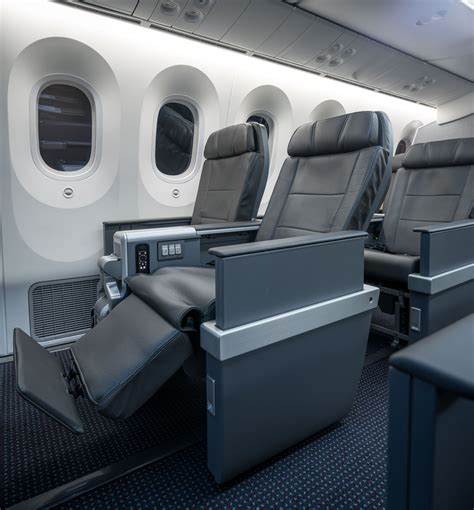
Not all airlines offer them, and availability often depends on aircraft type. But when present, they’re immediately noticeable—especially to frequent flyers who understand how rare such comforts can be.
Some travelers even bring portable versions, a testament to how impactful this small feature can be.
Why These Subtle Features Matter More Than You Think
Individually, these features might seem minor. A USB port here, a lighting adjustment there—it’s easy to overlook them when you’re focused on reaching your destination. But together, they form a network of micro-improvements that shape the entire travel experience.
Frequent flyers don’t just notice these details—they rely on them. They know where to find power, how to optimize comfort, and which aircraft offer the best configurations. Over time, these insights turn routine travel into something far more manageable, even enjoyable.
The next time you board a flight, it’s worth paying attention. The cabin may look familiar, but beneath that familiarity lies a world of thoughtful design—quietly working to make your journey smoother, smarter, and just a little more human.