Air travel in 2026 is no longer defined solely by aircraft size, seat pitch, or airport lounges. The real transformation is happening quietly in the systems that price tickets, move passengers through terminals, and respond to disruption in real time. What once felt like a rigid, stressful process is being rebuilt into something adaptive, personalized, and deeply digital. This year marks the point where long-promised aviation technologies stop being pilots and press releases and start becoming the default experience for millions of travelers.
The familiar rituals of flying—booking months in advance, printing documents, paying for WiFi, and bracing for missed connections—are being systematically dismantled. In their place is a travel ecosystem designed around continuous data, automation, and biometric identity, reshaping how journeys are sold, managed, and experienced. These changes are not theoretical or distant. They are already live across major carriers and global hubs, quietly redefining expectations of what air travel should feel like.
What follows are the seven most consequential ways air travel is changing this year, ranked not by novelty but by how deeply they affect the passenger experience and how widely they are being deployed across the industry.
Hyper-Dynamic AI Pricing Replaces Static Airfares
For decades, airline pricing followed predictable logic: fixed fare classes, advance-purchase rules, and opaque algorithms that rewarded timing more than intent. In 2026, that model effectively disappears. Airlines are shifting from selling tickets to generating real-time offers, assembled dynamically by artificial intelligence at the moment a traveler searches.
Instead of buying a seat, passengers are now presented with a customized travel bundle that reflects their behavior, loyalty status, and preferences. Checked baggage, preferred seating, onboard meals, WiFi access, and flexibility are priced together as a single living product. Behind the scenes, modern retailing frameworks and new distribution capability standards allow airlines to bypass legacy fare ladders entirely.
Generative AI evaluates variables such as current aircraft load, seasonal demand, fuel pricing, and even broader economic signals to shape each offer. The price shown to one traveler may never exist for another. This ends the era of gaming the system with browser tricks or timing hacks, replacing it with personalized economics that reward clarity over guesswork.
While largely invisible during the journey itself, this shift fundamentally changes how passengers pay and what they receive. The ticket becomes less of a receipt and more of a digital contract, continuously optimized until departure.
Free High-Speed Inflight WiFi Becomes the Global Standard
The notion that internet access in the sky is a luxury has collapsed. In 2026, free, high-speed inflight WiFi is rapidly becoming as expected as overhead bins and seatbelts. Major airlines now treat connectivity as core infrastructure, not an ancillary revenue stream.
The driving force behind this change is the maturation of low-Earth-orbit satellite networks, particularly Starlink, which deliver low-latency broadband at scale. Carriers such as United Airlines are retrofitting aircraft at industrial speed, while American Airlines has rolled out complimentary, sponsor-backed connectivity across the vast majority of its domestic fleet.
For passengers, the impact is immediate and practical. Workflows no longer pause at boarding. Video calls, cloud collaboration, live entertainment, and messaging function seamlessly from gate to gate. The psychological benefit is just as important: the aircraft cabin no longer feels disconnected from real life.
This evolution does not alter airport logistics, but it transforms time spent in the air from enforced downtime into productive or restorative space. For frequent travelers, it removes one of the last major friction points of modern flying.

Biometric Identity Replaces the Physical Passport
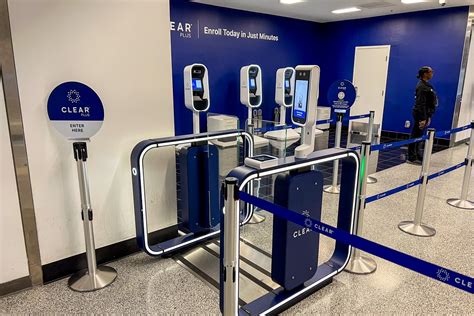
The act of presenting documents at every checkpoint is rapidly fading into history. In 2026, biometric face and fingerprint recognition is becoming the primary identity layer for international travel, particularly across Europe, Asia, and North America’s busiest hubs.
The European Union’s Entry-Exit System now replaces passport stamps with centralized biometric verification, logging entries and exits automatically. Airports in Singapore and the United States are integrating facial recognition into bag drop, security screening, lounge access, and boarding gates, enabling passengers to move through terminals with minimal physical interaction.
While early implementation has introduced longer queues as travelers enroll their biometrics, the long-term payoff is substantial. Once registered, passengers can expect meaningfully shorter processing times, fewer document checks, and a smoother curb-to-gate experience.
This shift fundamentally changes the physical choreography of travel. Identity becomes something you carry inherently, not something you present repeatedly. Over time, the passport transitions from a frontline tool to a backup credential, reshaping how borders function in a digital world.
AI Travel Assistants Become Digital Cabin Crew
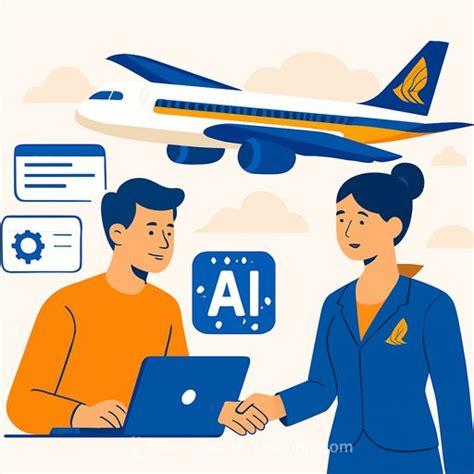
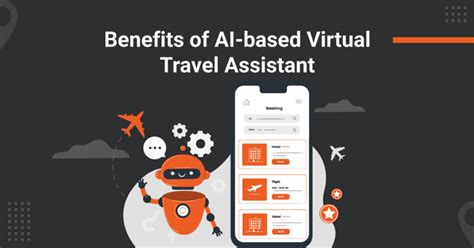
Customer service has long been aviation’s weakest link, especially during disruptions. In 2026, that vulnerability is being addressed by a new generation of AI-powered travel assistants capable of acting, not just responding.
Airlines are deploying intelligent agents that manage entire journeys through a single, persistent order record. These assistants monitor flights in real time, anticipate delays, and proactively rebook passengers before problems escalate. Hotels, ground transport, and onward connections update automatically, often without the traveler needing to intervene.
Qatar Airways’ digital cabin crew initiative exemplifies this shift, offering conversational support that feels closer to a concierge than a chatbot. Underpinning these systems are AI-native retailing platforms that allow orders to remain fluid, adjusting dynamically as conditions change.
The result is a profound reduction in stress. Instead of waiting in call queues or scrambling through apps, travelers receive context-aware solutions delivered instantly. Over time, these assistants learn individual preferences, making each trip smoother than the last.
Long-Haul Point-to-Point Flights Redefine Global Connectivity
The dominance of mega-hubs and mandatory layovers is weakening. In 2026, new aircraft technology is enabling airlines to operate long-haul routes directly from secondary cities, bypassing congested hubs altogether.
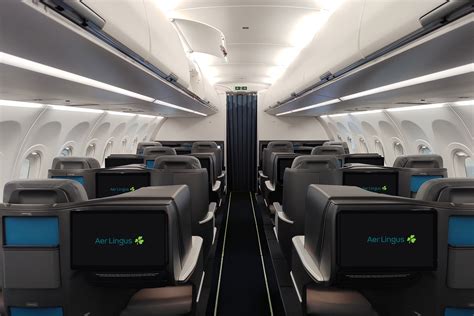
The Airbus A321XLR sits at the center of this shift. With extended range and exceptional fuel efficiency, it allows airlines to fly routes once considered uneconomical for widebody aircraft. Nonstop services connecting smaller markets across continents are launching at a rapid pace, reshaping global route maps.
For travelers, the benefit is time. Eliminating a single connection can save hours and reduce exposure to delays and missed flights. The trade-off—spending eight or nine hours on a single-aisle aircraft—is being mitigated by next-generation cabin designs, including lie-flat seats and premium suites previously exclusive to widebodies.
This transition represents a structural change in aviation geography. As more carriers adopt these aircraft, point-to-point travel becomes the norm rather than the exception.
Mandatory Green Levies Make Sustainability Visible
Environmental impact is no longer an abstract concern hidden in corporate pledges. In 2026, sustainability costs appear directly on airline tickets, formalizing the true price of flying.
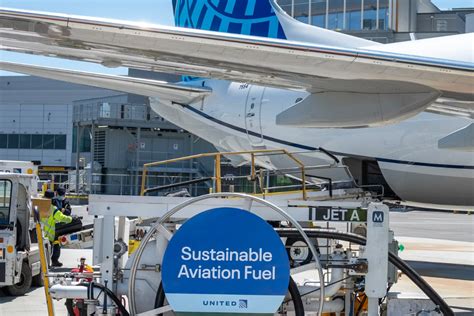
Regulatory mandates now require a minimum percentage of sustainable aviation fuel in commercial operations, particularly across Europe and Asia. Because SAF remains significantly more expensive than conventional jet fuel, airlines are passing these costs transparently to consumers through dedicated surcharges.
While the fees themselves are modest, their significance is symbolic. For the first time, the environmental externality of air travel is standardized, unavoidable, and visible. This reframes sustainability from a marketing message into a shared economic responsibility.
Over time, these levies are expected to fund the infrastructure necessary to scale SAF production globally. 2026 thus marks the beginning of price-aligned climate accountability in aviation, permanently altering how travel is valued.
World Cup Pressure Accelerates the Smart Airport Era
The most dramatic catalyst for aviation innovation this year is not an airline or aircraft, but a global event. The 2026 FIFA World Cup is placing unprecedented strain on air travel infrastructure across North America, forcing rapid deployment of technologies that might otherwise have taken years.
Host cities are rolling out biometric walk-through security, digital customs platforms, and AI-driven crowd management to handle surging passenger volumes. These systems are not temporary solutions; they are stress-tested blueprints for the future of high-capacity air travel.
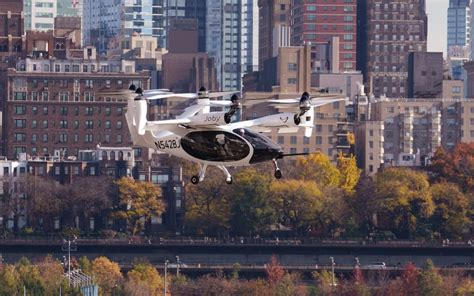
At the same time, the tournament serves as the first public showcase for electric vertical takeoff and landing aircraft. While full commercial rollout remains a few years away, piloted air taxis are making visible demonstration flights, signaling the dawn of urban air mobility.
This convergence of pressure and innovation is accelerating aviation’s transformation. What debuts as a necessity for a single summer event will define how airports and cities manage air travel for decades to come.
Air travel in 2026 is no longer just about getting from one place to another. It is about how intelligently, efficiently, and humanely that journey is managed. As these seven changes converge, flying becomes less adversarial and more intuitive, setting a new baseline for what passengers will expect every time they step into an airport.