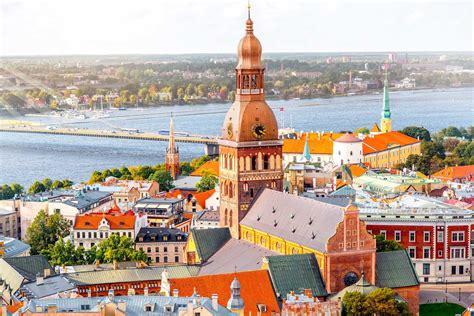
Rīga, the captivating capital of Latvia, is an architectural, historical, and cultural treasure nestled along the Daugava River. This Baltic gem boasts medieval charm, breathtaking Art Nouveau facades, vibrant markets, and an effortlessly cool cultural vibe. Perfect for those seeking a destination rich in character without the bustle of overcrowded tourist routes, Rīga is a city that rewards the curious traveler.
Rīga enchants with seasonal variety—from the golden hues of early autumn to the soft magic of a snowy winter or the long sun-drenched days of summer. Whether you’re drawn by the historical splendor of Vecrīga (Old Town) or by modern gastronomy and design culture, this city offers depth and variety at every turn.
When to Visit Rīga: The Best Times of Year
Summer is arguably the prime season for visiting Rīga, with temperatures ranging between 20°C and 25°C (68°F to 77°F). Days are long and warm, and the city buzzes with energy thanks to numerous free concerts, open-air cinema screenings, and cultural events.
June’s solstice period brings nearly 18 hours of daylight, perfect for evening strolls or riverside dining. August peaks with Rīga’s city festival, transforming squares and parks into vibrant cultural stages.
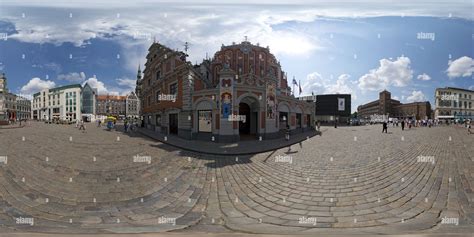
Winter travelers are rewarded with a charming Christmas market in Town Hall Square, twinkling lights adorning centuries-old buildings, and hot mulled wine filling the frosty air. Avoid visiting in November or February, as they tend to be the gloomiest months with gray skies and frequent drizzle.
How Long Should You Stay in Rīga?
To truly appreciate Rīga, spend at least three to four days. A weekend allows you to hit the major landmarks: the House of the Blackheads, St. Peter’s Church, the Three Brothers, Freedom Monument, and the Latvian National Opera.
Add a day or two to discover the Alberta Street Art Nouveau district, visit key museums like the Latvian National Museum of Art and the Museum of the Occupation of Latvia, or unwind in a local park like Ziedoņdārzs.
Don’t miss Āgenskalns, a revitalized district across the Daugava filled with wooden houses and alternative coffee shops. Mežaparks, with its tranquil pine forests and lakeside walks, is ideal for a nature break.
Getting to and Around Rīga
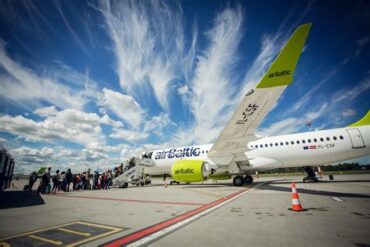
Rīga International Airport is the largest in the Baltics, with connections to most major European hubs. The No. 22 city bus links the airport to the center in just 30 minutes. Taxis, car-sharing via Bolt, and private shuttles like LuxExpress are also convenient.
If arriving by land, long-distance buses from Warsaw, Tallinn, or Vilnius offer scenic and economical options. Ferries from Helsinki to Tallinn combined with a bus to Rīga provide another picturesque route.
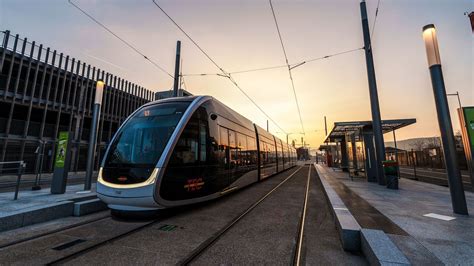
Rīga’s compact layout means you can explore most key attractions on foot. For further journeys, use the reliable public transport system (trams, buses, trolleys), with routes and tickets easily accessible via the Mobilly app.
Architectural Highlights and City Views
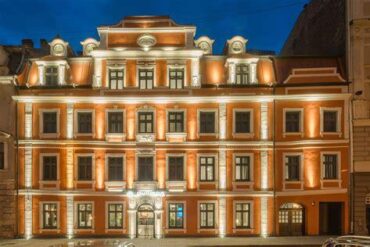
Rīga is an architectural dream, seamlessly blending medieval, Baroque, Gothic, and stunning Art Nouveau design. Begin your journey in Vecrīga, where cobbled streets lead to hidden courtyards and majestic churches.
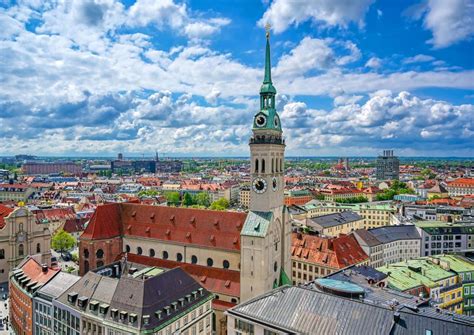
Climb the St. Peter’s Church tower or visit the Latvian Academy of Sciences for panoramic city views. The National Library of Latvia and AB Dam offer excellent riverside vistas of Rīga’s skyline.
Adventurous types can rent a kayak to float down the city canal or the Daugava River, revealing an entirely new angle on this historic capital.
Where to Experience Latvian Culture
For a deep dive into Latvian heritage, visit the Ethnographic Open-Air Museum, which showcases traditional farmhouses, windmills, and craftsmen’s homes in a lakeside forest.
Don’t miss the Latvian National Opera and Ballet, or, for modern takes, explore Zuzeum Art Center and SongSpace, a cultural tribute to Latvia’s famed choral traditions.
For music lovers, Rīga has something for every taste: Aleponija for indie vibes, M/Darbnīca for jazz, and Tallinas Street Quarter for a mix of live music, food trucks, and urban flair.
Markets and Gastronomy: Taste of Latvia
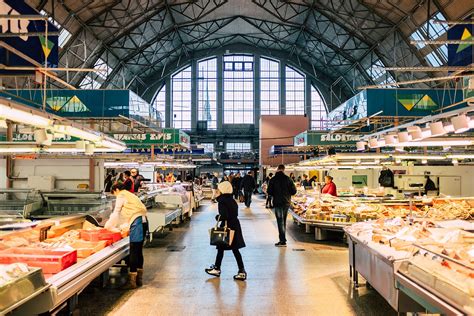
Step into the historic Rīga Central Market, housed in old Zeppelin hangars, and prepare for a sensory journey. Sample rupjmaize (rye bread), biezpiens (Latvian cottage cheese), smoked sprats, pickled mushrooms, and Jāņu siers – the cheese traditionally eaten during midsummer.
Also try kvass, a fermented bread drink, or seasonal birch sap in spring. For a local twist on fine dining, check out Garage, Entresol, or Kolonāde.
For a cozier culinary experience, Āgenskalns Market has been transformed into a foodie haven with craft beer stalls, experimental kitchens, and organic produce. Here you can mingle with locals while tasting modern interpretations of Latvian classics.
Art Nouveau: An Urban Masterpiece
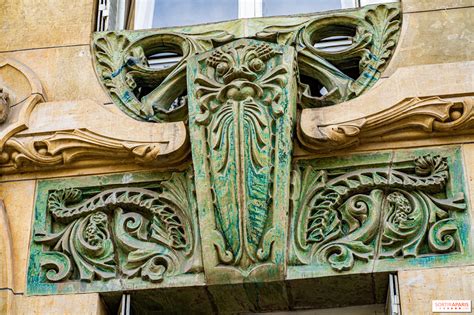
Rīga is often dubbed the Art Nouveau capital of Europe, with over 800 buildings featuring intricate facades, ornate doors, floral motifs, and mythological creatures.
While Alberta Street is the most iconic, streets like Tērbatas, Krišjāņa Barona, and Aleksandra Čaka also hold architectural treasures. Look up—you’ll find mesmerizing stone faces, peacocks, and masks embedded in the façades.
Parks, Green Spaces, and Day Trips
Rīga is one of Europe’s greenest capitals. Bastejkalna Park and Esplanāde Park are centrally located and perfect for afternoon walks. For a deeper nature immersion, Mežaparks offers lakes, pine woods, and bicycle paths.
If you have a few more days, take day trips to:
- Jūrmala: A beachside resort town just 30 minutes away by train.
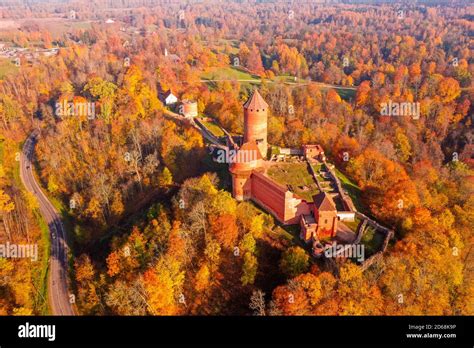
- Sigulda: Known as the “Switzerland of Latvia” for its forests and castles.
- Cēsis: A medieval town with cobblestone streets and fortress ruins.
Language and Communication
The official language is Latvian, but most Rīgans, especially in tourism, speak fluent English. Museums, restaurants, and public transport provide English-friendly services.
Though Latvians might initially appear reserved, they are polite, warm, and welcoming once you engage in conversation. A few Latvian words—paldies (thank you) or labdien (good day)—go a long way.
Cost of Travel: Budgeting for Rīga
Rīga is surprisingly affordable for a European capital. Avoid overpriced Old Town eateries and explore the city center’s hidden gems for better value.
Sample daily costs:
- Dorm bed: €15
- Hotel room (basic): €30–50
- Luxury hotel: from €100
- Public transport: €1.50
- Museum entry: €2–€10
- Full meal: from €12
- Coffee: €2–€4
- Local beer: €3–€5
- Opera ticket: €20–€55

Self-catering apartments are plentiful and often provide better value for longer stays. Many attractions, concerts, and public events are free or low-cost, adding to Rīga’s appeal as a budget-friendly cultural destination.
Drinking Water and Sustainability
Tap water in Rīga is not only safe but delicious. Bring a reusable bottle and refill throughout your visit, especially in parks and public areas. This small act supports Latvia’s sustainability goals and reduces plastic waste.
Final Thoughts: A City Worth Discovering
Rīga is a rare city that offers old-world beauty, modern sophistication, and authentic experiences in equal measure. It’s a destination where architecture tells stories, markets bring people together, and the rhythm of life feels just right—never too fast, never too slow.
For the first-time visitor, it promises discovery, charm, and a deep sense of connection. Once you’ve walked its cobblestone lanes, tasted its bread, and heard its songs, Rīga won’t just be a stop on your journey—it will be part of your story.