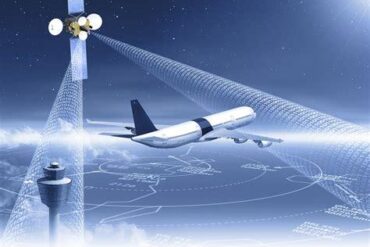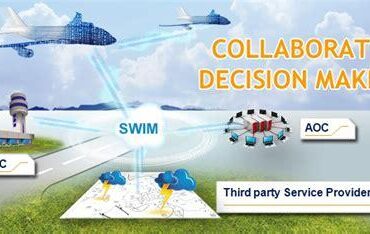
Air Traffic Management (ATM) refers to the organized and integrated oversight of air traffic and airspace. This includes air traffic services, airspace management, and air traffic flow management. The goal is to manage these elements safely, economically, and efficiently. To achieve this, collaboration among all parties involved—both airborne and ground-based—is essential.
ATM involves three key services. First, Air Traffic Services (ATS) aim to ensure safe and orderly traffic flow. This is mainly accomplished by air traffic controllers who prevent collisions by applying separation standards. They also issue clearances and instructions that help maintain an efficient flow of air traffic. For instance, they accommodate requests from flight crews for specific altitudes and routes, ensure smooth climbs and descents, and minimize delays both in the air and on the ground.
Second, Air Traffic Flow Management (ATFM) focuses on regulating the movement of aircraft to avoid congestion in busy control sectors. This is done by matching supply and demand effectively. Strategies include staggering demand over time and space, and planning control capacities to meet that demand. Restrictions may be imposed on certain traffic flows, and the number of controllers can be adjusted to increase supply when necessary. ATFM measures are proactive; they aim to improve future conditions rather than addressing immediate situations.
Finally, Airspace Management (ASM) is responsible for efficiently allocating airspace—a limited resource—to satisfy both civil and military users. This involves determining how airspace is divided among different users through routes, zones, and flight levels. ASM also plays a role in structuring airspace to facilitate effective air traffic services.
Together, these components create a cohesive structure for ATM, ensuring that air traffic is managed smoothly and safely.