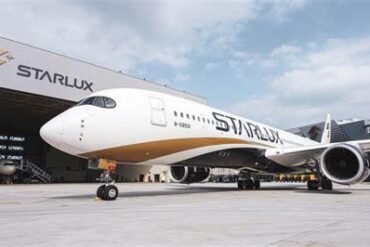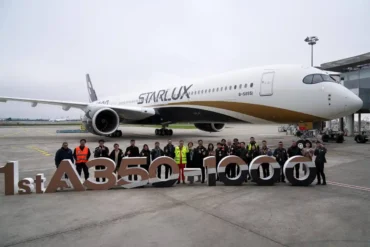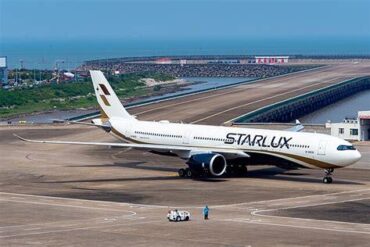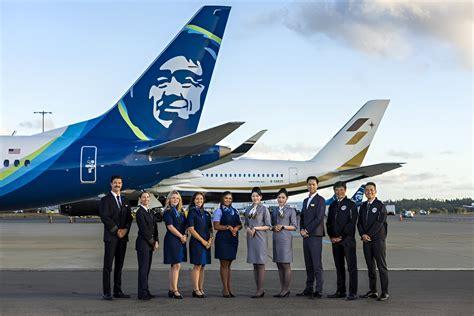
The partnership between Alaska Airlines and STARLUX Airlines marks a pivotal evolution in transpacific travel, especially for travelers in the United States seeking seamless connections to Asia’s emerging luxury carrier. As of August 16, 2024, STARLUX will commence its highly anticipated service between Seattle–Tacoma International Airport (SEA) and Taipei Taoyuan International Airport (TPE). This route expansion opens a direct, premium channel for Alaska Mileage Plan members to explore Taiwan and beyond — but the mechanics and value of this partnership require careful navigation.
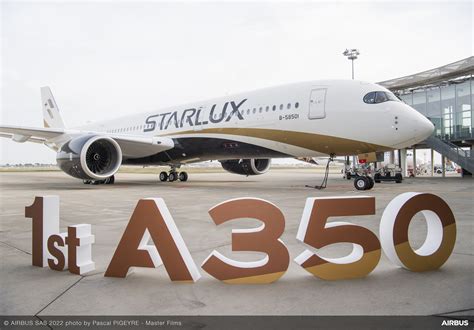
Understanding the Alaska-STARLUX Mileage Partnership
The collaboration is not about transferring miles from one airline to the other. Rather, Alaska Mileage Plan members can use their miles to book award flights operated by STARLUX, utilizing Alaska’s platform to access STARLUX seat inventory. However, access to award seats is limited — and nuanced.
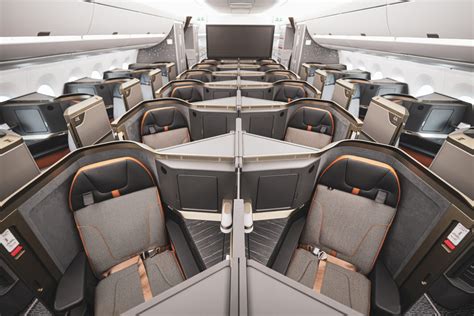
STARLUX typically releases just one “Saver” Business Class award seat per flight when booking windows open. These seats are bookable through Alaska at 75,000 miles one-way for business class and 37,500 miles for economy. The rare availability of these seats means that travelers must plan with surgical precision. Booking exactly 11 months in advance, being alert for release schedules, and showing flexibility on travel dates significantly improve the odds of success.
It is important to understand that if these limited saver awards are taken, Alaska’s dynamic pricing kicks in — and prices for non-saver seats can skyrocket to 175,000 miles or more, especially for premium cabins. While frustrating, this system offers last-minute flexibility for travelers with large mileage balances and little interest in paying out of pocket.
Limitations of the Partnership: Mileage Use and Upgrades
Alaska miles cannot be transferred to STARLUX’s own mileage program, COSMILE, nor can they be used to upgrade a STARLUX cash ticket. This creates a delineated boundary: Alaska miles are solely for booking STARLUX flights, not for hybrid mileage-cash arrangements or enhancements. To secure upgrades, one must use STARLUX’s COSMILE miles directly — a non-option for Alaska loyalists unless they separately engage with STARLUX’s own program.
Routes, Frequency, and Strategic Hubs
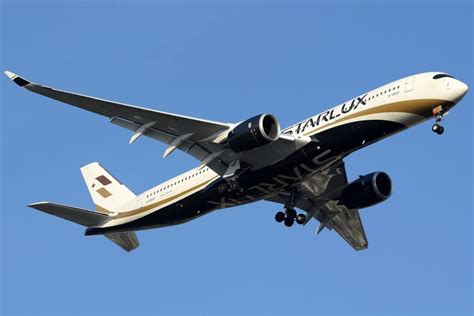
The SEA–TPE route will operate three times weekly, which necessitates calendar flexibility for travelers eyeing saver awards. While Seattle is the only U.S. gateway for STARLUX under this partnership at the time of writing, connecting through STARLUX’s other hubs like Los Angeles (LAX) or San Francisco (SFO) may offer better frequency and award seat availability.
Travelers originating from cities like St. Louis (STL) must first route domestically, typically via Alaska or American Airlines, to reach one of these international gateways. Alaska’s extensive domestic network facilitates this, but the overall itinerary may involve multiple segments and longer layovers — tradeoffs for those seeking the lowest mileage redemption options.
Will STARLUX Join a Global Alliance?
While speculation abounds, STARLUX is not a member of any global airline alliance as of mid-2025. Statements from STARLUX leadership indicate that joining an alliance is not a near-term priority, although when the time comes, Oneworld appears to be the most likely candidate. This makes sense given Alaska’s existing presence in Oneworld and the geographic overlap STARLUX would share with Cathay Pacific — though the latter’s proximity may also spark internal alliance politics.
Still, STARLUX could bring valuable transpacific coverage and a luxury-first image to the alliance, making a future nomination by Alaska plausible.
Award Booking Strategies: How to Maximize Alaska Miles for STARLUX
For those determined to secure STARLUX flights via Alaska miles, we strongly recommend the following:
- Monitor Alaska’s award booking portal regularly, especially around the 11-month booking window.
- Be flexible with your travel dates and departure cities. STARLUX’s SEA flights may be limited, but routing through LAX, SFO, or even NYC using partner airlines can unlock better availability.
- Consider flying premium economy. These awards start around 50,000 miles one-way, are far more attainable, and still deliver a premium STARLUX experience.
- Use tools or alerts to track when seats become available. This may include third-party platforms or Alaska’s own interface to observe dynamic pricing trends.
Credit Card Considerations: BILT vs. Alaska Airlines Visa
For infrequent travelers — such as those flying once every 1–2 years — the decision to carry a travel credit card comes down to fees, point flexibility, and bonus structures. The Alaska Airlines Visa Signature® card from Bank of America offers a companion fare benefit and a lucrative sign-up bonus, but its long-term value diminishes without frequent spending.
In contrast, the BILT Mastercard® is emerging as a powerful option for occasional travelers:
- No annual fee
- Earns transferrable points, including to Alaska Airlines
- Bonus categories on rent, dining, and travel
For users not chasing elite status or flying weekly, BILT provides more flexible, everyday rewards accumulation — with the added benefit of feeding those miles into Alaska for the occasional long-haul redemption on STARLUX.
Elite Status: Not Required, Rarely Beneficial
Let us be clear: Elite status with Alaska is not required to redeem miles for STARLUX flights. Nor is it realistically attainable for travelers flying once every 12 to 24 months. Earning Alaska’s MVP status tiers requires substantial annual flying or credit card spend, neither of which aligns with the casual traveler’s profile.
The focus, instead, should remain on earning miles efficiently — whether through flights, credit card spend, or promotions — and redeeming them smartly during award sales or new schedule drops. That strategy delivers value without the complications of elite tier qualification.
Booking Tips for Travelers from Secondary Cities
Travelers based in secondary or non-hub cities like St. Louis, MO (STL) must strategize multi-leg routes. While Alaska provides connectivity from STL to SEA, it’s worth exploring:
- Routing via American Airlines to hubs like LAX or SFO
- Southwest Airlines for STL–SEA nonstop flights, though not eligible for Alaska mileage accrual
- Redeeming BILT points through Alaska for those longer hauls
Infrequent flyers should also remember that Alaska redemptions are all-or-nothing — if a ticket costs 75,000 miles, partial cash redemptions are not allowed. You must have the full amount of miles in your account before booking.
Future Outlook: What to Watch Next
STARLUX’s Seattle launch could be a precursor to wider U.S. expansion, and Alaska’s close partnership may expand award availability or include additional benefits in the future. As STARLUX matures and scales, we may see increased frequencies, more premium seat releases, or an eventual entry into Oneworld, which would solidify its presence among global travelers.
Until then, savvy fliers must tread carefully: award space is scarce, dynamic pricing unpredictable, and planning essential. But for those willing to put in the effort — and mileage — the reward is one of the most luxurious ways to cross the Pacific.
Conclusion: An Opportunity for the Prepared Traveler
The Alaska Airlines–STARLUX partnership provides a rare and elegant bridge between North America and East Asia. While casual travelers may find the mileage ecosystem opaque or overly competitive, strategic preparation, calendar awareness, and credit card optimization can make this partnership exceptionally rewarding.
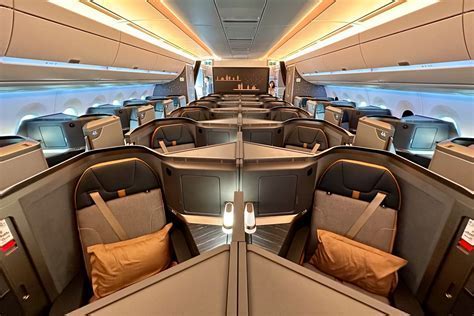
From the sleek cabins of STARLUX to the proven reliability of Alaska’s domestic network, this is a powerful alliance for premium international travel, even without formal alliance membership. For those with their eyes set on Taiwan — and the patience to play the long game — the runway is open.