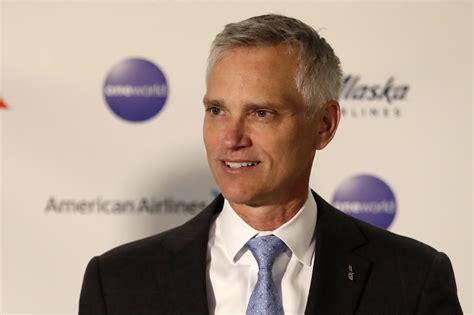
American Airlines is preparing for a major transformation as CEO Robert Isom outlines a plan to close the airline’s estimated $3 billion profitability gap with United Airlines and Delta Air Lines. Rather than chasing larger network growth, the carrier is focusing on improving margins through premium travel products, stronger operations, upgraded airport experiences, and a renewed focus on high-value customers.
The Fort Worth-based airline remains one of the world’s largest carriers, operating around 6,500 flights daily and maintaining the biggest network among North American airlines. However, size alone has not translated into industry-leading profits. United and Delta have successfully built stronger premium businesses, allowing them to generate significantly higher earnings from business travelers and affluent customers.
American Airlines now believes the next stage of its recovery depends on increasing revenue quality instead of simply carrying more passengers.
American Airlines Shifts Focus Toward Premium Revenue Growth
The centerpiece of Isom’s strategy is a major expansion of premium cabin offerings. American Airlines wants more travelers to choose higher-priced seats, upgraded services, and premium experiences that generate stronger margins than traditional economy fares.
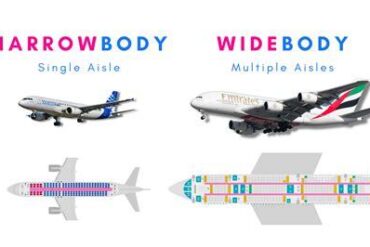
The airline is investing in redesigned long-haul cabins, including improved business-class products and new premium suites across parts of its widebody fleet. American is also upgrading aircraft such as the Boeing 777 and Boeing 787 Dreamliner fleets while considering a future widebody aircraft order from either Boeing or Airbus.
These aircraft investments are expected to support international growth early in the next decade. By adding more premium capacity, American hopes to compete more directly with Delta One and United Polaris, two products that have helped its rivals attract corporate travelers willing to pay higher fares.
Isom has emphasized that American’s long-term goal is not simply expansion but becoming more competitive across every part of the customer experience. The airline believes better products will encourage passengers to select American even when cheaper alternatives are available.
Reliability Improvements Become Critical to Winning Higher-Spending Travelers
Premium cabins alone will not close the profitability gap. American recognizes that wealthy travelers and corporate customers expect consistent performance, making operational reliability one of the company’s most important priorities.
Delta has built a strong reputation for dependable operations, while United has improved its reliability through investments in technology and airport infrastructure. American is attempting to narrow that difference by adjusting schedules, improving maintenance planning, and using artificial intelligence tools to predict potential aircraft problems before they create disruptions.
The airline is also reviewing how flights are scheduled at major hubs to reduce operational pressure during peak periods. Better timing, fewer delays, and improved recovery during irregular operations could help rebuild customer confidence.
For American, reliability is directly connected to revenue. A traveler paying thousands of dollars for a premium ticket expects more than a comfortable seat; they expect a smooth journey from check-in to arrival.
Airport Upgrades and Loyalty Program Enhancements Support Growth
American Airlines is also investing heavily in its airport experience, particularly at its largest hub, Dallas/Fort Worth International Airport (DFW). The carrier plans to expand premium facilities, including a major Admirals Club lounge project designed to improve comfort for frequent flyers.
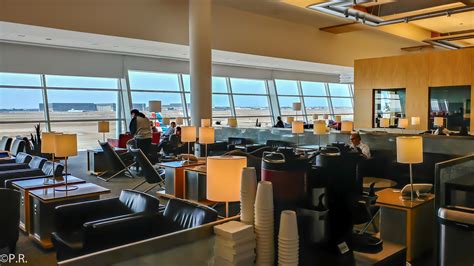
Additional premium check-in areas, upgraded lounges, and new customer service technology are intended to strengthen American’s relationship with valuable travelers. These improvements are part of a broader effort to make the airline experience feel more competitive with Delta and United.
The company is also improving its AAdvantage loyalty program and making it easier for customers to purchase premium upgrades. Loyalty programs have become a major source of revenue for large airlines, especially as credit card partnerships and frequent flyer spending continue to grow.
American’s strategy reflects a wider industry trend: airlines are increasingly focused on attracting customers who spend more rather than competing primarily on ticket volume.
Financial Recovery Provides Momentum, But Changing Customer Perception Remains Difficult
American Airlines expects its investments to contribute to stronger financial performance in the coming years. Analysts have projected significant earnings growth in 2026, with improvements expected as premium products, operational changes, and loyalty initiatives begin producing results.
However, closing the gap with Delta and United will not happen overnight. Both competitors spent years developing premium-focused business models and building stronger customer perceptions. American must prove that its improvements are more than temporary announcements.
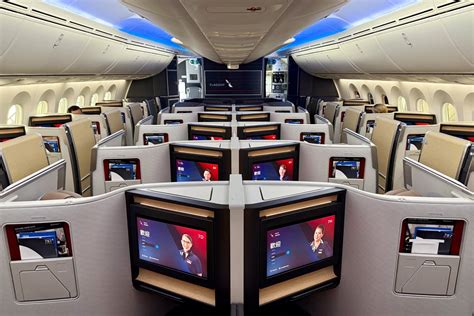
The challenge for Isom and American’s approximately 139,000 employees is ensuring customers actually experience the difference. New aircraft cabins, better lounges, and improved technology only matter if travelers recognize the value and choose American over competing airlines.
The airline’s future success will depend on whether it can turn operational improvements into stronger customer loyalty and higher revenue. If American succeeds, the carrier could gradually reduce the financial distance separating it from United and Delta and establish a stronger position among the world’s largest airlines.
The company’s mission is clear: become more reliable, more premium, and more profitable. The coming years will determine whether American Airlines can finally transform its scale advantage into a true financial advantage.