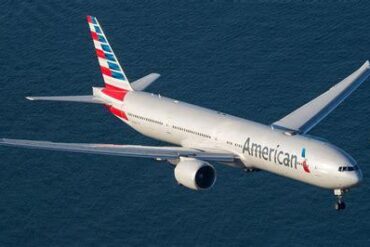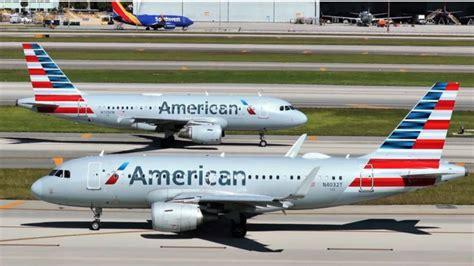
American Airlines has taken a bold step into the future of in-flight connectivity with the launch of free Wi-Fi testing on select routes, setting the stage for a full-scale rollout in January 2026. This strategic move positions the airline to better compete in a landscape where reliable, high-speed onboard internet is rapidly becoming a baseline expectation, especially among business travelers and premium clientele.
The initiative quietly began on December 10, without any public announcement or prior notification to passengers. Instead, the surprise comes mid-flight: flight attendants inform travelers during pre-flight announcements that complimentary Wi-Fi is available onboard. This soft launch strategy not only manages passenger expectations but allows American Airlines to collect valuable feedback and technical insights during the test phase.
Targeting Loyalty Through Connectivity
The free Wi-Fi initiative is exclusively available to members of the AAdvantage loyalty program, reinforcing the airline’s focus on rewarding its frequent flyers. The service is being made available on aircraft outfitted with either Viasat or Intelsat high-speed connectivity systems, which currently cover approximately 90% of American’s narrow-body and regional jet fleet.
Importantly, this program does not extend to most widebody aircraft at present. American’s Boeing 777 and 787 fleets, which rely on Panasonic Wi-Fi systems, remain outside the scope of this offering—except for the new Boeing 787-9 ’78P’ subfleet, which is equipped with Viasat and is part of the complimentary Wi-Fi test.
Fleet-Wide Upgrade Strategy
American Airlines is not stopping at narrow-body aircraft. Plans are already in motion to retrofit its widebody fleet with more advanced Viasat systems, beginning with the Boeing 777-300ERs, followed by the 777-200ERs. Once complete, this transformation will ensure that long-haul passengers—often those paying premium fares—can also benefit from the complimentary Wi-Fi experience. Until then, access remains primarily on domestic and short-haul routes.
The Competitive Landscape Heats Up
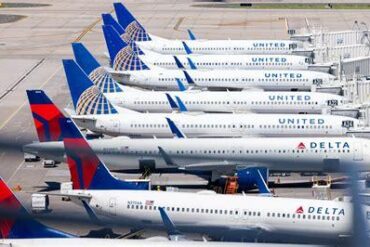
American’s move is a response to escalating competition from Delta and United, both of which have launched aggressive connectivity strategies. Delta Air Lines, in particular, has made headlines for rolling out free Viasat-powered Wi-Fi across nearly its entire fleet, available to all SkyMiles members, including on regional jets and widebody aircraft like the A330 and A350.
United Airlines, while currently more conservative in its offerings, is in the midst of a massive Wi-Fi overhaul involving SpaceX’s Starlink system. United plans to deploy free Wi-Fi on over 1,000 aircraft, offering unmatched speed and global coverage, with a special emphasis on its United Express regional fleet. This looming rollout poses a serious challenge to both American and Delta.
Strategic Implications for American Airlines
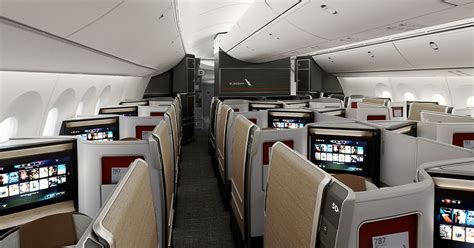
For American Airlines, investing in high-speed onboard connectivity is about more than meeting current passenger expectations—it’s about future-proofing the brand. The airline is concurrently upgrading aircraft interiors, introducing premium cabin redesigns, and elevating catering services to create a holistically premium experience.
Yet, as sleek as new business class seats may be, it’s Wi-Fi that increasingly defines the travel experience, particularly for tech-savvy and professional flyers. The variability of Wi-Fi pricing—long a sore point for American passengers—has been a key differentiator used by competitors. This rollout of free, fast internet addresses that gap directly.
The Road to 2026 and Beyond
The January 2026 goal is ambitious but critical. By then, American Airlines aims to provide seamless, free internet access across nearly all of its domestic and international fleet, aligning itself with the most tech-forward carriers in the industry. The success of the current test phase will be pivotal in shaping the final product, from technical reliability to passenger satisfaction.
This is more than a tech upgrade—it’s a transformational shift in how American Airlines defines its service proposition in a digital-first travel economy. With free Wi-Fi on the horizon, American is signaling that it’s ready to not just fly—but connect—at cruising altitude.