Delta Air Lines has taken a decisive step toward the future of inflight connectivity by partnering with Amazon to deploy Project Kuiper’s LEO (Low Earth Orbit) satellite Wi-Fi across its fleet. The move signals a long-term bet on next-generation broadband in the skies, but the timeline raises serious competitive questions—especially as rivals accelerate faster with existing solutions.
The agreement positions Delta as the second major airline, after JetBlue, to commit to Amazon’s satellite internet ecosystem. While the promise is compelling—high-speed, low-latency connectivity comparable to home broadband—execution timing will ultimately define whether this becomes a strategic win or a missed opportunity.
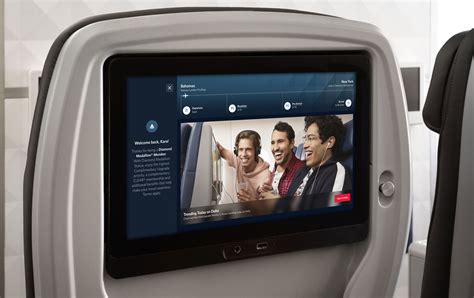
At its core, the partnership extends beyond connectivity. Delta and Amazon aim to integrate AWS-powered personalization, enhancing the airline’s Delta Sync seatback systems with smarter content, tailored recommendations, and a more seamless digital journey from booking to landing. It’s a vision built on data-driven passenger experience, not just faster Wi-Fi.
Amazon Leo is coming to @Delta.
Delta will install Amazon Leo on hundreds of aircraft across its fleet, bringing fast, reliable Wi-Fi to tens of millions of customers who fly Delta every year.
An initial installation on 500 aircraft will begin in 2028.
Read more:… pic.twitter.com/cSShl0lJfe
— Amazon Leo (@Amazonleo) March 31, 2026
Amazon LEO Wi-Fi: A New Challenger to Starlink’s Dominance
Amazon’s LEO satellite network is widely seen as a direct competitor to SpaceX’s Starlink, which has already redefined expectations for inflight connectivity. With lower latency, higher bandwidth, and scalable global coverage, LEO systems eliminate many of the frustrations tied to legacy air-to-ground networks.
Delta’s adoption signals confidence in Amazon’s long-term capabilities. The airline is betting that Project Kuiper will mature into a viable, high-performance platform capable of supporting streaming, gaming, and real-time work applications at 35,000 feet. If successful, passengers could experience uninterrupted connectivity across oceans and remote regions—something previously inconsistent at best.
However, there’s a critical caveat: Amazon’s network is still in development, while Starlink is already operational and expanding rapidly.
The 2028 Problem: Timing Undermines Strategy
Delta plans to begin installation of Amazon LEO Wi-Fi in 2028, initially equipping around 500 aircraft. While that number sounds substantial, it represents well under half of Delta’s total fleet, leaving a significant portion without next-generation connectivity for years.
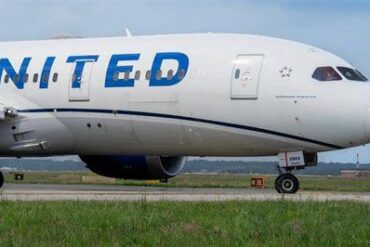
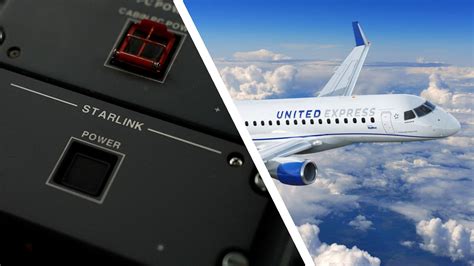
This timeline becomes more problematic when viewed against United Airlines’ aggressive rollout. United has committed to equipping its entire fleet with Starlink by the end of 2027, effectively completing its transformation before Delta even begins.
The contrast is stark. One airline is nearing completion of a fleet-wide upgrade, while the other is just stepping onto the runway. For passengers choosing airlines based on connectivity—a growing trend among business travelers—this gap could prove decisive.
Delta’s Premium Brand Faces a Connectivity Test
Delta has long cultivated a reputation as a premium U.S. carrier, emphasizing reliability, service quality, and onboard experience. Yet in the era of digital expectations, connectivity is no longer optional—it’s central to perceived value.
Passengers increasingly expect:
- Seamless video streaming without buffering
- Stable connections for remote work and video calls
- Free or low-cost access across all routes
Falling behind in this domain risks undermining Delta’s carefully built brand advantage. Even if Amazon LEO ultimately matches or exceeds Starlink’s performance, arriving years later weakens its immediate impact.
Beyond Wi-Fi: A Broader Digital Transformation
Despite the timing concerns, Delta’s partnership with Amazon is not merely about internet speed. It represents a broader push into AI-driven personalization and cloud-powered operations.
By leveraging AWS, Delta aims to:
- Deliver tailored inflight entertainment experiences
- Optimize customer interactions across booking and travel
- Enhance operational efficiency using predictive analytics
This deeper integration could become a long-term differentiator, especially if Delta successfully connects its digital ecosystem into a cohesive, intelligent platform.
Competitive Landscape: A Divided Industry Approach
The airline industry is rapidly splitting into two camps. On one side, carriers like United, Alaska, and Hawaiian are embracing Starlink’s already-deployed infrastructure. On the other, airlines such as JetBlue and Delta are aligning with Amazon’s emerging alternative.
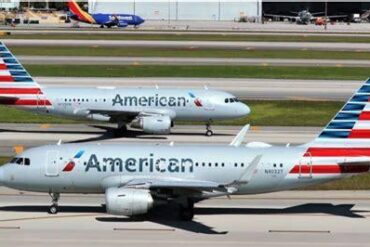
American Airlines remains undecided, reportedly evaluating both options—a sign that the market is still fluid and far from settled.
This divergence creates an unusual scenario where technology timing becomes as important as technology quality. Airlines are not just choosing providers; they are choosing when to compete.
A High-Stakes Bet on the Future of Connectivity
Delta’s decision to adopt Amazon LEO Wi-Fi reflects ambition and confidence in a next-generation platform. Yet ambition alone does not close competitive gaps. With United racing ahead and passengers growing less tolerant of slow or inconsistent internet, the next two years could reshape airline loyalty in unexpected ways.
If Amazon delivers on its promises, Delta may eventually leap forward with a more advanced, deeply integrated system. But until then, the airline faces a reality that’s hard to ignore: in the race for inflight connectivity, being second—and late—can feel like being far behind.