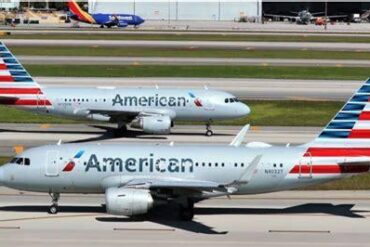
Starting Monday, May 19, American Airlines will begin offering free in-flight Wi-Fi on more than 50 daily flights, marking the airline’s largest test of complimentary internet access to date. This pilot program represents a significant milestone in American’s broader commitment to delivering seamless digital connectivity at 35,000 feet, with full rollout scheduled for 2026. For many travelers flying between key city pairs, the future of free Wi-Fi begins now.
American Airlines Tests Free Wi-Fi on Over 50 Daily Flights
From May 19 through June 1, passengers on select routes will enjoy uninterrupted, no-cost internet during their flight. The test phase includes roundtrip flights between the following major U.S. city pairs:
- Charlotte (CLT) – New York LaGuardia (LGA)
- Dallas Fort Worth (DFW) – Milwaukee (MKE)
- New York JFK – Los Angeles (LAX)
- Charlotte (CLT) – San Diego (SAN)
This move places American Airlines in line with JetBlue, Delta, and soon United Airlines, all of which are positioning themselves to redefine inflight internet access as a standard service rather than a premium perk.
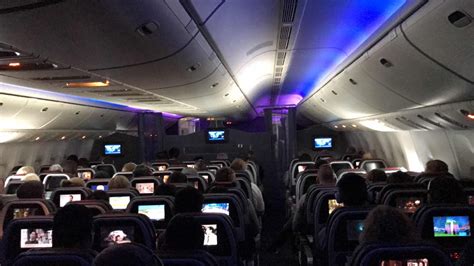
Eligibility: Who Gets Free Wi-Fi Right Now?
While the broad public rollout is set for 2026, American’s most elite tier of travelers—ConciergeKey members—have already enjoyed free Wi-Fi access since early May. For the general public, access during this testing window requires enrollment in the airline’s AAdvantage frequent flyer program. This mirrors Delta’s model, which similarly ties free inflight connectivity to SkyMiles membership.
Importantly, free Wi-Fi will be available on:
- All narrowbody aircraft
- Boeing 787-8 and 787-9 (Block 2 only)
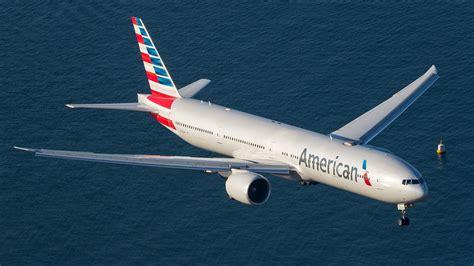
However, original Boeing 787s and Boeing 777-300ERs outfitted with Panasonic Wi-Fi systems are excluded from the test and from the 2026 rollout for now. These aircraft lack the bandwidth capacity to support the load associated with complimentary access.
Why American Delayed Free Wi-Fi in 2019
American Airlines nearly launched a free Wi-Fi service in 2019, mirroring the trend JetBlue had begun and Delta was exploring. However, the plans were paused due to a persistent technical hurdle: bandwidth scalability. When Wi-Fi is offered for free, usage spikes sharply, often overwhelming satellite connectivity and degrading service quality for all passengers.
Delta also faced similar limitations at the time, ultimately postponing their free Wi-Fi launch. The onset of the COVID-19 pandemic further delayed airline innovation across the board. Only recently has technology, particularly advancements in high-capacity satellite networks, caught up to traveler expectations.

The Technological Challenge: Bandwidth and Satellite Systems
Free inflight Wi-Fi represents more than a marketing perk—it’s a logistical challenge. Aircraft outfitted with low-bandwidth systems, like some of American’s older Panasonic-equipped widebodies, simply can’t provide the necessary throughput to maintain service for dozens—or hundreds—of passengers simultaneously streaming, working, or browsing.
Newer aircraft and those retrofitted with high-speed satellite networks, such as Viasat or Ku-band systems, deliver significantly more reliable connections. American’s decision to limit the test to certain aircraft types reflects an understanding of these capabilities. It’s not just about offering Wi-Fi—it’s about ensuring it works well enough to justify being free.
How Does American’s Approach Compare to Other Airlines?
Among U.S. carriers, JetBlue remains the pioneer in offering free, high-speed inflight Wi-Fi on all flights. Delta Air Lines followed suit in 2023, rolling out free internet to SkyMiles members on most domestic flights. Meanwhile, United Airlines is expected to raise the bar even higher by integrating Starlink satellite systems, promising unmatched speeds and low-latency internet access.
American Airlines’ move keeps it competitive but cautious. Unlike Delta or JetBlue, American is opting for a phased approach, focusing first on narrowbody aircraft and select international models before expanding to the entire fleet—excluding certain legacy aircraft that cannot meet bandwidth requirements.
Why the Timing Matters: Consumer Expectations and Industry Pressure
As travelers grow increasingly connected and content-driven, in-flight internet has shifted from a luxury to an expectation. In a digital-first world, access to email, social platforms, video conferencing, or streaming platforms has become non-negotiable for business and leisure travelers alike.
Airlines, especially legacy carriers, can no longer justify paywalls for basic internet access. For American, the test flights serve dual purposes: assessing technical viability and measuring customer experience metrics before scaling.
With this pilot program, American Airlines is strategically positioning itself in the competitive digital landscape of air travel, where brand loyalty and customer satisfaction hinge not just on legroom or meals—but on connectivity.
Behind the Scenes: Wi-Fi Infrastructure and Fleet Integration
American’s current Wi-Fi ecosystem is powered by a combination of satellite providers, including Gogo, Viasat, and Panasonic. Each provider offers different speeds, coverage zones, and aircraft compatibility. The airline’s newer Airbus and Boeing narrowbody jets are mostly equipped with Viasat or Gogo 2Ku systems, which can better handle bandwidth-intensive tasks.
The rollout strategy prioritizes:
- Retrofit of high-demand aircraft types
- Fleet standardization around high-bandwidth systems
- Analytics-driven passenger engagement tools
Aircraft equipped with Panasonic systems lag behind in bandwidth and latency, making them unsuitable for free Wi-Fi until technology upgrades are implemented or aircraft are retired.
Passenger Implications: What Travelers Need to Know
For those booked on a flight included in the test, the experience is seamless. Upon logging into the onboard Wi-Fi portal, eligible travelers will see the option to connect without payment—provided they’re AAdvantage members. If not enrolled, sign-up is easy and available at the gate or during the booking process.
The free service typically supports:
- Web browsing
- Email access
- Social media
- Music streaming
Video streaming is supported on most Viasat-equipped aircraft, though performance may vary depending on the number of users onboard.
What Comes Next: A Broader Rollout by 2026
This test marks only the beginning. American Airlines has confirmed its intent to make free Wi-Fi available systemwide by 2026, except on legacy widebody aircraft with outdated connectivity platforms. This trajectory reflects both a technology investment strategy and a response to industry trends, where access to high-speed internet is increasingly bundled into the base fare rather than sold as a separate service.
As American integrates higher-performing connectivity hardware and evaluates test feedback, the next two years will determine how seamlessly free Wi-Fi becomes the norm across its global network.
Conclusion: A New Era of In-Flight Connectivity Begins
American Airlines is setting a clear trajectory toward universal, free inflight Wi-Fi as part of its mission to enhance passenger experience and digital engagement. This test period marks a turning point, bridging the gap between legacy models of pay-per-use and the emerging standard of always-on, always-free internet access.
For travelers flying the included routes this month, the future of connected travel begins now. For everyone else, the countdown to 2026 has already started.