Australia is stepping into a pivotal aviation alliance, joining Taiwan, Indonesia, and China in a coordinated move to dramatically enhance international air connectivity, with Air New Zealand at the helm of this transformative expansion. This initiative isn’t just a response to rising passenger demand—it’s a full-fledged strategy to redefine long-haul travel across the Asia-Pacific. At its core, the partnership reflects a deep alignment of national interests, commercial airline strategies, and regional tourism agendas—all converging ahead of the 2025 holiday travel boom.
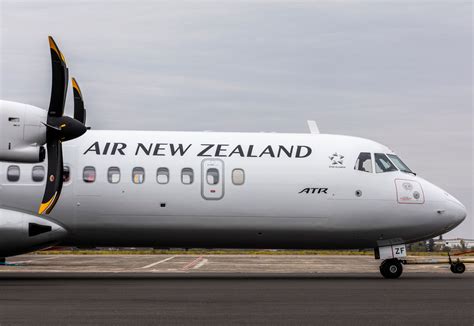
A Strategic Leap: Australia Aligns with Asia for High-Impact Air Connectivity
For decades, Australia’s ties with its Asian neighbors have largely revolved around trade, diplomacy, and education. Now, those connections are taking to the skies—literally—as Air New Zealand launches new premium flight routes connecting major Australian cities to Taipei, Bali, and Shanghai via Auckland. The move places Australia squarely in the center of an Asia-Pacific aviation renaissance.
The timing is no coincidence. With the post-COVID travel industry rapidly normalizing and demand for international journeys surging, especially during festive seasons, the strategic value of expanding direct and near-direct flight networks is enormous. Australia’s partnership with these Asian hubs through Air New Zealand’s route network offers a tangible solution to current capacity constraints while providing an essential bridge between Oceania and key markets in East and Southeast Asia.
Premium Capacity Surge: A New Standard in Transpacific Travel
Air New Zealand’s decision to boost premium seating by up to 49% on select routes underscores a new era of passenger expectations. Where economy once ruled the long-haul skies, premium economy and business class are fast becoming the preferred options for travelers seeking comfort, flexibility, and luxury.
The Auckland–Shanghai route will see a 35% increase in premium seats—a significant rise in capacity that’s aimed squarely at business travelers and affluent holidaymakers. Meanwhile, the Auckland–Hong Kong route is receiving a 28% boost, equating to over 3,700 new premium seats being offered during the travel peak.
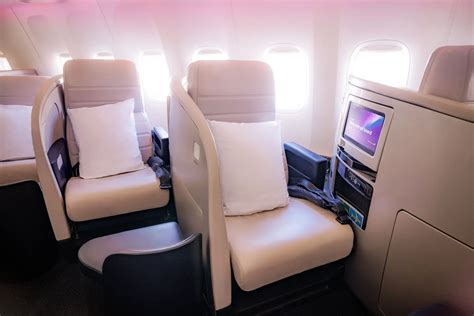
These are not temporary expansions—they are sustained capacity increases designed to meet ongoing, projected demand. With a high concentration of overseas students, diaspora communities, and corporate travelers moving between these cities, the premium uplift reflects both economic alignment and cultural connectivity.
Taiwan and Bali: Regional Destinations, Global Significance
Often overshadowed by giants like Shanghai and Hong Kong, Taipei and Bali are emerging as strategically vital destinations in the Asia-Pacific network. In the case of Taipei, Air New Zealand is increasing flight frequency from three to four flights weekly, representing an 11,800-seat increase and a 27% rise in total capacity for the holiday window.
Taiwan’s growing status as a tech and cultural hub, coupled with its geographic position as a gateway to Northeast Asia, makes it a valuable partner in the regional aviation equation. Meanwhile, Bali continues to be a magnet for leisure travelers. With a stunning 49% increase in premium seats, Air New Zealand is not just boosting volume but significantly enhancing the travel experience for those flying to one of Asia’s most popular island getaways.
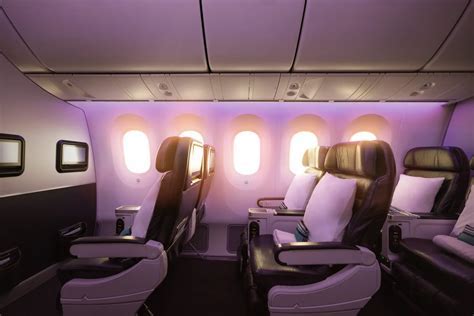
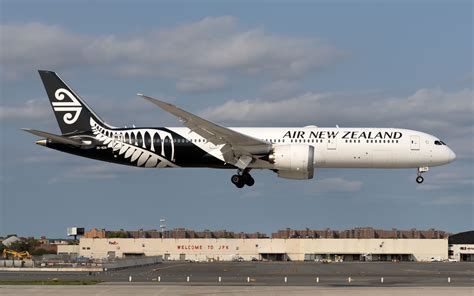
Aircraft Innovation: The Role of the 787 Dreamliner Fleet Upgrade
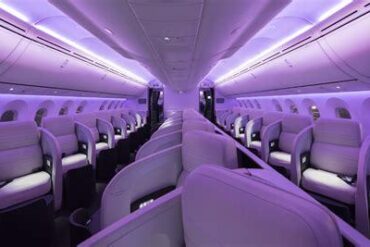
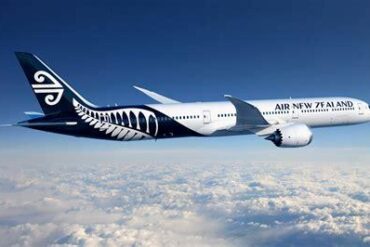
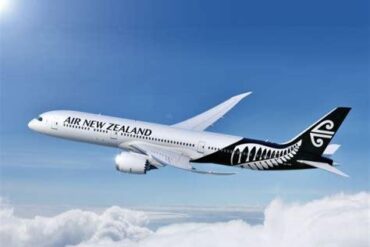
A critical enabler behind these route expansions is Air New Zealand’s retrofit of its Boeing 787 Dreamliners, allowing for a seamless blend of capacity increase and comfort upgrades. These aircraft now boast next-generation Business Premier suites, complete with lie-flat beds, enhanced privacy, and gourmet dining options.
The upgraded Premium Economy cabins, meanwhile, have been reconfigured to deliver wider seats, greater recline, and immersive entertainment—raising the bar for mid-tier long-haul flying. With these improvements, passengers departing from Australia en route to Taipei, Bali, Shanghai, or Hong Kong will find an in-flight experience that rivals the world’s top carriers.
This investment also enhances the competitiveness of Air New Zealand in the premium market—a segment traditionally dominated by Middle Eastern and East Asian carriers. By positioning Auckland as a premium stopover hub, the airline is strategically reclaiming market share.
Economic Impact: Boosting Regional Tourism and Trade
Beyond aircraft and routes, the implications of this aviation push ripple across sectors. For tourism operators in Taiwan, Bali, China, and Indonesia, the influx of premium travelers means more bookings at high-end hotels, greater restaurant patronage, and increased demand for curated travel experiences.
Tourism boards in these regions have begun aligning their marketing strategies to leverage the expanded access. Forward bookings from Australia and New Zealand are already outpacing projections, driven largely by this newly available flight inventory.
In Australia, the benefits are twofold. First, outbound travelers gain better access to favorite international destinations. Second, Australia’s airports and hospitality industries will see increased traffic as more passengers route through the country on their way to and from Asia, thanks to the efficiency and appeal of transiting through Auckland.
Timing the Surge: Capitalizing on Cultural and Holiday Calendars
The meticulous synchronization of these route enhancements with the holiday travel rush, Christmas, and Lunar New Year is no accident. Air New Zealand has studied traveler behavior closely, identifying critical windows when families reunite, business slows, and tourism spikes.
By aligning capacity growth with these moments, the airline ensures higher load factors, greater revenue per seat, and improved operational efficiency. More importantly, it positions itself as a preferred airline for high-value travelers making repeat journeys across the region.
This also includes tapping into student traffic, especially with many Taiwanese, Indonesian, and Chinese students studying in Australia and New Zealand. These travelers often fly home for holidays and return for new academic terms—creating reliable, seasonal surges that now have a premium option.
A Regional Model for Future Airline Strategy
The integrated approach demonstrated by Air New Zealand—route expansion, aircraft upgrades, and cultural calendar alignment—offers a powerful blueprint for future airline strategy in the Asia-Pacific. It represents more than just opportunism; it’s a recognition of deepening regional interdependence.
The partnership between Australia, Taiwan, Indonesia, and China under this aviation strategy points toward a more agile, demand-responsive air travel ecosystem, one where collaboration trumps competition and where the passenger experience drives growth.
For travelers and businesses alike, the message is unmistakable: The Asia-Pacific is no longer a series of disconnected travel markets. It’s a cohesive, dynamic corridor—and airlines like Air New Zealand are laying the infrastructure to support its evolution.
Final Outlook: The Future Is Airborne
The sweeping changes announced ahead of the 2025 holiday season mark a new chapter in trans-Pacific aviation. Air New Zealand’s bold step—backed by Australia’s strategic alignment with major Asian destinations—signals a profound shift in how the region moves, connects, and thrives.
With demand for long-haul, high-comfort travel reaching new heights, and holiday calendars aligning across continents, this expansion is not just timely—it’s visionary. As aircraft take flight this December toward Taipei, Bali, Shanghai, and Hong Kong, they carry more than passengers. They carry a statement: Asia-Pacific travel is back, better, and more connected than ever.