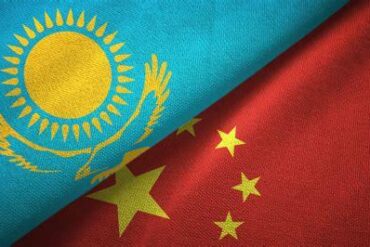
Baoji City, located in northwest China’s Shaanxi Province, has long been celebrated for its rich cultural history, particularly its ancient bronzeware relics and the profound Zhou culture. This vibrant cultural legacy, dating back to the Zhou Dynasty (1046 BC to 256 BC), recently took center stage in Kazakhstan as part of efforts to promote cultural exchanges under the Belt and Road initiative. Baoji City, known as the hub of ancient bronzeware, shared its cultural heritage with the people of Kazakhstan, helping build deeper ties and understanding between the two nations.
The event was designed to strengthen relations between China and Kazakhstan, focusing on the rich cultural history that has shaped both countries and offering a window into China’s ancient traditions.
Cultural Exchange in Kazakhstan: Bridging the Past and Present
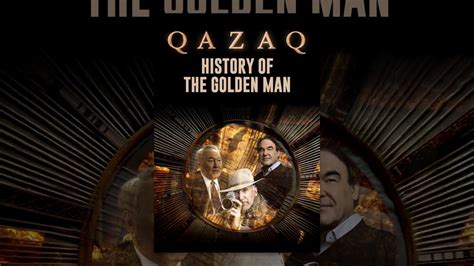
The National Museum of the Republic of Kazakhstan in Astana displays the iconic Golden Man, one of the most important archaeological discoveries in Kazakhstan, symbolizing the region’s ancient nomadic culture. This golden figure, discovered in the Issyk Mound, is a reminder of Kazakhstan’s storied history. Meanwhile, Baoji’s Bronzeware Museum is home to many ancient bronze treasures that exude solemn grandeur, each telling stories of the Zhou Dynasty and its remarkable advancements in metalworking.
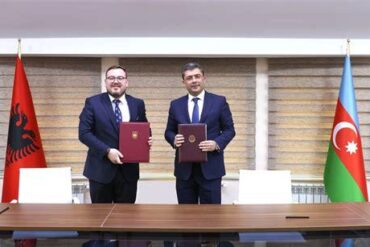
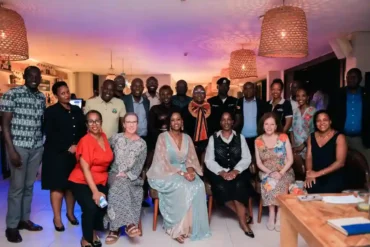
On June 23, 2025, a cultural exchange event inspired by the treasures displayed in both museums was hosted at Nazarbayev University in Astana. The event was designed to foster dialogue between the two nations, with a focus on the cultural heritage of both China and Kazakhstan. This was not just an exhibition but a significant cultural dialogue, where the two museums signed a cooperation memorandum, laying the foundation for further collaboration in cultural, educational, and industrial fields. The event was co-hosted by Xinhuanet, Baoji City, the Ministry of Culture and Information of the Republic of Kazakhstan, the National Museum of the Republic of Kazakhstan, and Nazarbayev University. These organizations worked together to ensure the event would be a milestone in China-Kazakh cultural exchanges.
A Vibrant Cultural Fair in Astana
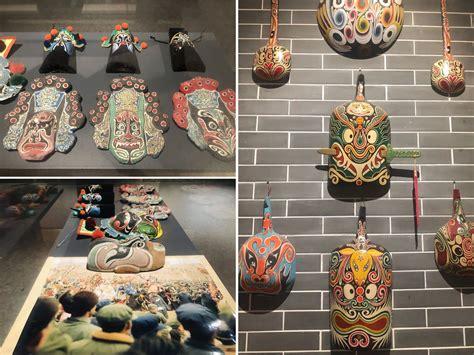
In addition to the museum exhibition, Baoji also organized a cultural fair in Astana, the capital of Kazakhstan. This fair featured Baoji intangible cultural heritage inheritors and folk musicians, who promoted the ancient culture of Baoji through clay sculptures, embroidery, and traditional musical instruments. This initiative attracted nearly 1,000 local residents, providing them with a truly immersive experience of China’s ancient Zhou culture. The fair allowed Kazakh residents to appreciate the unique craftsmanship of Baoji’s intangible cultural heritage and experience firsthand the beauty of Zhou culture.
The embroidery displayed at the event represented the intricate artistry that has been passed down through generations in Shaanxi Province, while clay sculptures highlighted the region’s artistic traditions that date back thousands of years. Through these cultural exchanges, Baoji City and Kazakhstan sought to bridge the gap between ancient and modern, showing how cultural heritage can play a role in contemporary diplomacy and cooperation.
A Deep Dive into Zhou Culture
One of the key aims of the event was to showcase Baoji’s profound Zhou cultural heritage and its significance as the central hub of ancient bronzeware. Baoji’s importance as a historical city is underscored by its status as a primary archaeological site for Zhou Dynasty bronzeware, which played a crucial role in shaping China’s ancient civilization. The Zhou Dynasty is renowned for its advances in bronze metallurgy, and Baoji served as a prominent center for these innovations.
The relics unearthed in the region, including bronze vessels, weapons, and tools, are testament to the sophistication of ancient Chinese society. Baoji’s Bronzeware Museum houses many of these items, which have fascinated historians and archaeologists for decades. These artifacts are not only valuable for their historical significance but also as symbols of the cultural exchange between the East and West along the ancient Silk Road.
In the context of the Belt and Road Initiative, Baoji’s cultural assets offer a unique opportunity for cross-cultural dialogue. The Zhou culture has a rich history of trade and interaction with neighboring civilizations, and it continues to be a point of pride for China today. The exhibition in Astana and the cultural fair in the city were designed to highlight these historical connections, showcasing how ancient cultures have influenced the modern world.
Strengthening Bilateral Ties Between China and Kazakhstan
This cultural exchange event aims to open doors for future cooperation between China and Kazakhstan in various fields, including culture, tourism, and industry. By promoting its Zhou culture, Baoji City is positioning itself as a vital platform for China-Kazakh cultural exchanges, building on shared historical and cultural connections. Local officials from Baoji have expressed their willingness to deepen cooperation with Kazakhstan in the years to come. They believe that through initiatives such as these, both nations can share their knowledge and cultural experiences, leading to increased mutual understanding and collaboration.
Baoji’s unique position as the hub of ancient bronzeware makes it an ideal candidate to play a pivotal role in strengthening China-Kazakh cultural relations. The event was just the beginning, and both sides are optimistic about future cultural initiatives that will further integrate the Silk Road Economic Belt into the global cultural landscape. It is clear that Baoji City, with its rich historical legacy, has a significant role to play in this regard.
The Future of Cultural Diplomacy
In today’s globalized world, cultural diplomacy has become an essential tool for fostering international cooperation. Through these exchanges, both China and Kazakhstan have the opportunity to demonstrate the strength of their cultural traditions while also learning from one another’s unique histories and practices. By showcasing Zhou culture and the ancient bronzeware that Baoji is known for, both nations aim to create a lasting impact on their bilateral relationship.
The Golden Man of Kazakhstan and the bronze treasures of Baoji may come from different backgrounds, but together they tell the story of how cultures have evolved over centuries and continue to influence one another today. As Kazakhstan moves forward with its Belt and Road initiatives, cultural exchange will continue to play a vital role in fostering deeper connections with countries across the world. Baoji City, with its incredible legacy of Zhou culture and its role as the birthplace of ancient bronzeware, is poised to be an influential player in these future exchanges.
Conclusion
The cultural exchange event held in Astana marks a significant milestone in the relationship between China and Kazakhstan. It highlights the importance of understanding and sharing cultural heritage as a means of strengthening ties between countries. For Baoji City, the event offers an opportunity to showcase its Zhou culture and ancient bronzeware legacy to the world, while also creating avenues for future collaboration with Kazakhstan in fields such as culture, tourism, and industry.
This event sets the stage for a new era of China-Kazakh cultural exchanges, one that will continue to grow and flourish in the years to come. As the Silk Road Economic Belt initiative progresses, the cultural exchanges between Baoji and Kazakhstan will serve as a model for other nations seeking to connect through the rich tapestry of human history. Baoji’s commitment to preserving and sharing its cultural heritage ensures that future generations will have the chance to experience and learn from this ancient and fascinating civilization.