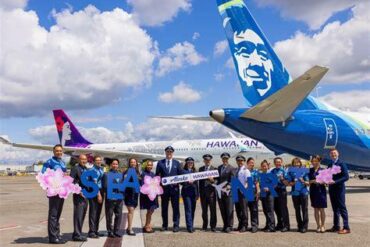
When planning a business‐class journey from Seattle to Tokyo, discerning travelers weigh numerous factors to ensure an experience that marries comfort, culinary excellence, and true luxury. The route offers four daily nonstops: Japan Airlines (JAL), All Nippon Airways (ANA), Delta Air Lines, and seasonal service by Hawaiian Airlines via partnership with Alaska. Each carrier presents its own blend of service ethos, seat configurations, lounge access, and onboard dining, making the choice a nuanced decision for those who demand the very best.
Travelers often prioritize soft‐product virtues—attentiveness of cabin crew, quality of meals, and overall ambiance—as highly as the hard‐product comfort of seats and privacy. For passengers returning via Tokyo, the promise of world‐class lounges at Haneda (HND) or Narita (NRT) adds weight to the decision. Many lean toward JAL or ANA for that very reason, but as we will explore, the nuance lies in aircraft type, equipment rotations, and personal preferences.
From firsthand reviews to technical breakdowns, this article dissects each airline’s offering on the Seattle–Tokyo nonstop route. We’ll examine user testimonials praising Japanese carriers’ legendary hospitality, counterpoints from travelers who found Delta’s Polaris or One suites more to their liking, and practical booking tips to secure the newest business cabins. By the end, you’ll possess a comprehensive blueprint for selecting the optimal business‐class flight.

Trip Context and Core Priorities
The nonstop service from Seattle (SEA) to Tokyo slots into a network of premium carriers. JAL and ANA both operate Boeing 787 Dreamliners, Delta fields Airbus A330‑900neos, and Hawaiian deploys 767 or 787 equipment on select Alaska‐booked itineraries. Your decision matrix typically hinges on three pillars:
- Service Excellence: Japanese carriers have a storied reputation for meticulous, almost reverential service. Crew members often anticipate needs before they’re voiced, from linen changes to meal preferences.
- Culinary Offerings: From multi‐course kaiseki‐inspired menus to Western fine‐dining alternatives, meal presentation and flavor profiles can define your perception of premium travel.
- Suite Comfort & Privacy: The latest business cabins—ANA’s “The Room” and JAL’s A350 SkySuite—offer floor‐to‐ceiling doors and spacious living areas. Others still provide lie‑flat seats with direct aisle access but may lack full enclosure.
ANA and JAL hold an edge for those valuing lounge reciprocity in Tokyo. OP travelers often position Japanese carriers as their first choice, assuming they can snag flights on the newest equipment.
Top Recommendation: ANA’s Time‑Honored Hospitality
Among the sea of endorsements, ANA consistently ranks at the pinnacle. One Reddit user dubbed ANA “without a doubt” the best; another praised “attentive and friendly cabin attendants” and suggested the Japanese meal course for an authentic taste of hospitality. Even without experiencing JAL firsthand, many travelers liken ANA’s soft product to that of a five‐star hotel in the sky.
A seasoned travel agent highlighted the ANA lounge at Haneda as “very clean, with delicious food and private shower rooms,” ideal for refreshing before a long flight. The airline’s newest business cabin—nicknamed “The Room”—boasts individual suites with sliding doors, ample storage, and suites measuring over two meters in length. While Seattle services still utilize the older 787‑9 layout, passengers flying via LAX, SFO, or ORD can experience the full glory of The Room.
Even ANA’s older 787‑9 seats receive praise for comfort and reliable lie‑flat performance. A reviewer noted that a six‐foot‐three traveler slept comfortably, illustrating that legroom and personal space remain generous despite the older configuration.
Alternative Perspectives: Polaris, One, and Hype Checks
Not every seasoned traveler aligns with the Japanese airline mania. One passenger found United Polaris to outshine ANA on a recent flight, citing superior entertainment systems and more proactive service in the Polaris cabin. Delta One also earned accolades for its sleek suites and memory‐foam mattress pads but drew criticism for less refined catering compared to JAL and ANA.
Another reviewer observed a service bias favoring Japanese salarymen, leaving solo Western flyers feeling overlooked. Instances of having to wave and say “sumimasen” to capture flight attendants’ attention were reported. While likely anecdotal and varying by cabin crew, such comments underscore that no carrier is immune to human inconsistency.
It’s also worth noting that Japanese carriers serve a more domestically homogeneous clientele on the Seattle route, which occasionally amplifies language and service nuances. Comparatively, global airlines like Singapore Airlines (SQ), Korean Air (KE), and Emirates (EK) maintain uniformly cosmopolitan crews accustomed to diverse passenger profiles.
Hard‑Product Deep Dive: Seat Configurations and Suites
ANA’s “The Room” vs. Legacy 787‑9 Seats
- The Room: Exclusive to select 777‑300ER and A380 deployments, with fully enclosed doors, 1‑1‑1 layout on wide‐body jets, and a spacious console for dining and storage.
- 787‑9 Legacy: 1‑2‑1 staggered layout with acceptable privacy and direct aisle access, but narrower footwells and no doors.
JAL’s A350 SkySuite I & Apex Suite on 787‑9
- A350: Features a 1‑2‑1 layout with sliding doors, large ottoman, and wide footwell. Reviewers equate its comfort with ANA’s The Room when the A350 rotates onto SEA–Tokyo.
- 787‑9 Apex/Skysuite I: Mixed feedback—some find it dated but appreciate the generous mattress pad, lack of tapered foot space, and hidden storage compartments.
Delta One A330‑900neo
- Suites: Open‐concept lie‑flat seats with aisle access; memory‐foam mattress pad; minimalist storage; pivoting armrests that double as privacy screens.
- Amenity Kit: Branded by premium designers, visitors note kits outshine Japanese carriers’ offerings in both variety and perceived quality.
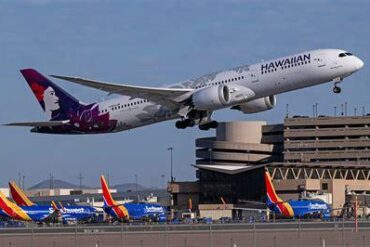
Hawaiian’s Older 767/787 Hard Product
- Domestic Legacy: Seats lack direct aisle access in 2‑2‑2 or 2‑3‑2 layouts; narrow footwells; minimal privacy. Service shines, but the hardware simply lags behind competitors on transpacific routes.
Service and Soft‑Product Nuances
Despite hard‐product variances, the soft product often tips the scales. JAL’s multi‐course menus receive near‐universal applause—vegetarian travelers rave about fresh tofu dishes and seasonal vegetable kaiseki. A family recounted perfectly reheated beef filet for their son and a vegetarian feast for the mother that rivaled restaurant quality.
However, JAL’s entertainment system on older 787s draws criticism for low‐resolution screens and sluggish controls, especially when compared to Delta and Polaris. Meanwhile, ANA’s in‐flight entertainment offers a broad selection of Japanese and international content, often updated with recent blockbuster films.
Hawaiian’s domestic‐style soft product impresses for its genuine warmth, but longtime Alaska Mileage Plan loyalists caution that the amenities—mattress pads, cookware, and lounge reciprocal access—remain limited internationally.
Lounge Situations: Pre‑Flight and Transit Comfort
Seattle (SEA)
- Delta SkyClub: The best premium lounge in Seattle, offering hot entrees, premium spirits, and panoramic runway views—but not a full Delta One lounge experience.
- Alaska Lounge: Accessible to status members; cozier footprint; regional wine pairings and local craft beers.
Tokyo (HND & NRT)
- ANA Suite & Business Lounges: Haneda’s flagship provides first‐class lounges for suite guests, shower suites, and Japanese tea ceremonies. Business‐class access yields a more crowded, gold‐status lounge with buffet service.
- JAL Sakura Lounge: Located in Narita Terminal 2, offering sushi bars and sake flights. Some travelers find seating layouts cumbersome, leading to bottlenecks during meal service.
One traveler reported a 3‑hour layover in HND and a fruitless hunt for open showers in the ANA business lounge, a reminder that peak travel times can strain even the best facilities.
Booking and Routing Tips for Savvy Travelers
Securing the newest business cabins often requires more than blind faith. Here are expert recommendations:
- Check Equipment by Flight Number: Use FlightAware or similar flight‐tracking tools to confirm the aircraft type that frequently operates your chosen SEATOK flight.
- Google Flights Indicators: In the business‐class selector, look for “individual suite” to identify The Room or SkySuite offerings.
- Consider YVR Non‑Stops: Vancouver flights on JAL and ANA can be up to $1,300 cheaper round‐trip. Factor in border crossings and separate tickets if you lack NEXUS or Global Entry.
- Monitor Equipment Swaps: Airlines occasionally swap aircraft, so revisit booking details as your departure approaches.
Overall Consensus and Final Recommendations
ANA emerges as the top choice for travelers who value seamless service, consistently excellent cuisine, and modern lounge facilities at Haneda. While the older 787‑9 seats from Seattle might feel dated, the reliability of ANA’s soft product and ease of lounge access often outweigh hardware quirks.
JAL stands out for its world‐class dining and attentive cabin crew, with the new A350 SkySuite rivaling ANA’s best offerings. The caveat: SEA–Tokyo runs typically use 787‑9s until equipment upgrades arrive, and Narita’s Sakura lounge occasionally underdelivers on space and layout.
Delta One suits travelers seeking a contemporary hard product, memory‐foam mattress pads, and designer amenity kits. Its service remains consistent, though it may not match the nuanced hospitality of Japanese carriers. Lounge options at SEA are solid but lack the exclusivity of Delta One lounges.
Hawaiian appeals to those with Alaska loyalty or exceptional domestic service expectations, but its transpacific hard product and amenity limitations prompt most to look elsewhere for a true business‐class experience.
Ultimately, your ideal choice depends on your priorities: if service and cuisine top the list, lean toward ANA or JAL; if private suites and state‐of‐the‐art hardware matter most, explore ANA’s The Room via a connection or Delta One’s cabin when A350 or Polaris options aren’t accessible. By blending firsthand insights with technical research, you can chart a course to Tokyo that feels as luxurious as it is customized.