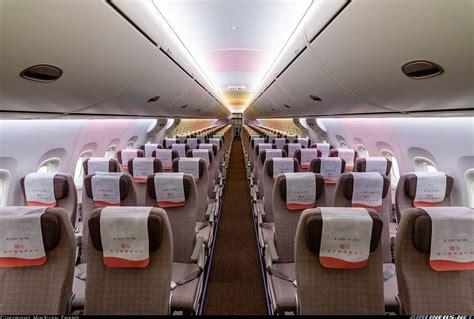
China is set to enhance its connectivity to South America with a groundbreaking development from China Eastern Airlines. In December 2025, the airline will introduce a new route that will make aviation history. The flight, connecting Shanghai to Buenos Aires, will be the world’s longest flight (including stopovers), surpassing the previous record set by Air China’s Beijing–Madrid–São Paulo route. This new Shanghai–Auckland–Buenos Aires route will operate twice weekly, with a stopover in Auckland, New Zealand. While passengers will transit through Auckland, they will not need to change planes, making the journey more convenient for travelers. This marks the first-ever direct service from Shanghai to South America and the only scheduled route linking China to Argentina.
Why This Route is Special
The new Shanghai–Auckland–Buenos Aires route is unique not only because it sets the record for the world’s longest flight but also because it significantly changes the South Pacific aviation dynamics. The flight will reduce reliance on Sydney as the primary transfer hub between Australasia and South America, and the route will likely reshape how people travel between the two regions. According to aviation experts, this route’s significance extends far beyond just the longest flight status. With Auckland as a central transfer point, the route also reflects the growing interest of Chinese travelers in South America. For many years, countries like Argentina—often called the “Paris of South America” due to its rich history, culture, and architecture—have seen increasing numbers of Chinese tourists. The new route is expected to serve as a direct connection to some of Argentina’s most iconic destinations.

Visa-Free Transit and Boost for Auckland Airport
On the same day that China Eastern Airlines announced the launch of this new route, the New Zealand government introduced a crucial update to its transit policy for Chinese travelers. Starting in November 2025, Chinese passengers transiting through Auckland Airport will no longer require a traditional transit visa. Instead, travelers will only need a New Zealand Electronic Travel Authority (NZeTA), which simplifies the process and makes Auckland an even more attractive transfer hub. This visa-free update is in line with the new route launch and is expected to increase Auckland’s competitiveness as an aviation hub. As Shanghai Pudong is already a global aviation center, the addition of this route is expected to drive more Chinese and European passengers to transit through Auckland on their way to South America. Moreover, the move will support Auckland Airport in accommodating the expected surge in passenger growth. New Zealand’s newly facilitated transit rules will not only benefit Chinese travelers but also serve the South American diaspora in New Zealand, which is estimated to number about 40,000 people.
Increasing Interest in South American Tourism from China
This development also ties into the rising number of Chinese tourists visiting South America. According to the Argentine Tourism Board, China has quickly become one of the fastest-growing source markets for tourism in the region. In 2019, over 80,000 Chinese visitors traveled to Argentina, and that number is expected to soar with the launch of the new route. In addition to Buenos Aires, which has long been a popular destination, Argentina offers travelers the chance to explore the country’s natural beauty, including the Iguazu Falls, Patagonia, and the Andes Mountains. The growing cultural exchange and travel from China to South America promise to offer significant benefits for both regions, creating more opportunities for cross-border collaboration and tourism growth.
Impact on the South Pacific Aviation Sector
For Auckland Airport, the new route is expected to boost its role as a key transfer point for passengers traveling from China to South America. It provides an opportunity for travelers to connect from Shanghai to the vast South American continent through Auckland. In recent years, South Pacific aviation has become more competitive, with various carriers enhancing their offerings for travelers between Australasia and South America. By introducing this direct connection between Shanghai and Buenos Aires, China Eastern Airlines is expected to attract not only Chinese travelers but also regional passengers from Asia-Pacific looking to head to South America. This could potentially reshape regional aviation traffic patterns. The new flight also serves as a reminder of the growing importance of New Zealand as a strategic gateway for international travelers. The country’s relaxed transit visa rules further encourage travelers to use Auckland as a stepping stone on their longer journeys.
Conclusion
With China Eastern Airlines launching the world’s longest flight, the Shanghai–Auckland–Buenos Aires route will provide more than just a new way to travel between continents. It symbolizes the growing importance of China in shaping global travel trends and the increasing connectivity between Asia-Pacific and South America. This landmark route will not only bring significant benefits to the aviation industry but will also enhance tourism exchanges between China and Argentina. With the support of New Zealand’s visa-free transit policy, Auckland Airport is set to become a key player in this transcontinental travel network, connecting travelers from across the world to the vibrant cultures and landscapes of South America.