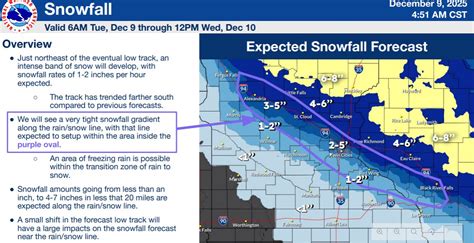
Working aviation maintenance on the line during extreme cold climates demands serious preparation. Subzero temperatures, biting winds, and snowstorms turn routine tasks into brutal endurance tests. Choosing the right cold weather gear is not optional — it is a survival strategy for safety, comfort, and job performance. Based on insights from experienced line workers, we have compiled a detailed guide for what to wear when working the graveyard shift outside the hangar.
Understanding Cold Climate Challenges on the Line
Temperatures between 0°F and 20°F can cause rapid heat loss, numb extremities, and increase the risk of hypothermia. Snow accumulation on clothing, followed by body heat melting it into moisture, leads to dangerous chilling. Workers standing on frozen tarmacs are also exposed to puddles of glycol and melted ice, adding a wet hazard to already freezing conditions.
In these conditions, proper attire is not about fashion; it is about moisture management, insulation, and wind protection.

The Critical Role of Layering in Cold Weather Gear
Layering remains the most effective method for thermal regulation and moisture control. Each layer serves a specific function:
- Base Layer: Wicks moisture away from the skin. Opt for merino wool or technical synthetic fabrics, never cotton.
- Mid Layer: Traps heat close to the body. Fleece or insulated vests and sweaters work best.
- Outer Layer: Shields against wind, snow, and moisture. Waterproof, breathable shells are essential.
Veteran line workers swear by multiple layers of shirts and pants, adapting easily by adding or removing layers depending on temperature shifts during long shifts.
Best Clothing Choices for Subzero Line Work
Base Layer Essentials
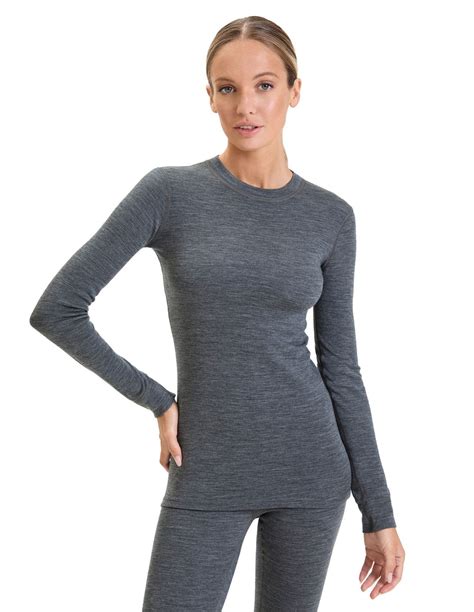
The foundation of a successful cold-weather system is a high-quality base layer. Merino wool long underwear, such as those from Icebreaker or Smartwool, offers unparalleled moisture-wicking properties without retaining odor. Tight-fitting but breathable, these layers prevent sweat from turning into a chilling hazard.
Mid-Layer Insulation Techniques
For mid-layers, a combination of technical fleece jackets and insulated vests provides a versatile barrier. Brands like Patagonia, Carhartt, and RefrigiWear offer reliable products suitable for grueling line work. PolarTec fleece garments are particularly favored for their warmth-to-weight ratio.
Wearing multiple thin layers instead of a single bulky one allows for superior temperature regulation. Workers often layer 2-3 shirts and two pairs of pants before considering their outermost protective layer.
Outer Layer: Your First Line of Defense
The outer shell must be waterproof, windproof, and durable. Military surplus Gore-Tex jackets and pants offer an excellent cost-effective option. Their rugged construction withstands the wear and tear of tarmac work while effectively repelling snow and rain.
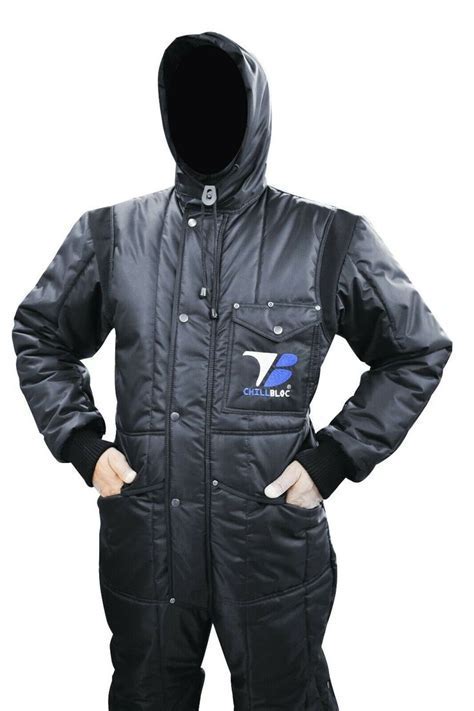
Insulated coveralls, such as those from Carhartt and RefrigiWear, dominate recommendations. Insulated bib overalls, paired with a heavy-duty insulated jacket, provide the necessary full-body protection without excessive bulkiness that could hamper movement.
Critical Accessories to Survive the Freeze
Footwear: The Foundation of Warmth
Insulated, waterproof boots are non-negotiable. Standard work boots will fail in puddles of melting snow and glycol. Workers recommend Sorel-type boots, bunny boots, or any high-rated insulated boot with slip-resistant soles. To enhance foot warmth, pair boots with high-quality wool socks — Smartwool or “copper” socks are popular choices.
In extremely cold conditions, triple layering socks or using chemical foot warmers becomes necessary. However, avoiding sweat buildup in the feet is crucial; otherwise, the resulting moisture can freeze.
Gloves and Hand Protection
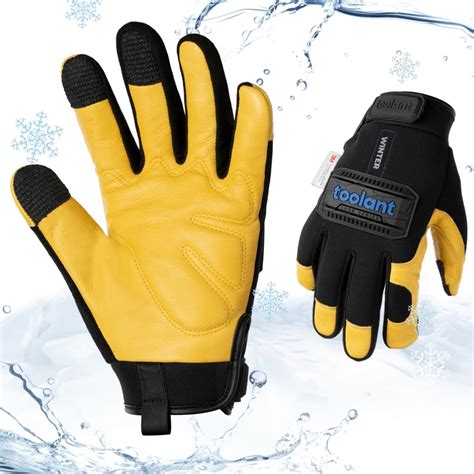
Hands are notoriously difficult to keep warm while maintaining dexterity. Many workers suggest a two-layer glove system: an inner insulating glove (such as thin fleece) topped with a waterproof, insulated work glove. Nitrile or latex gloves worn under primary gloves add an extra moisture barrier.
Mittens, where all fingers share a single compartment, offer superior warmth over traditional gloves but at the cost of reduced dexterity. Electric hand warmers become valuable assets on bitter nights.
Head and Face Protection
Since much of the body’s heat escapes through the head, proper headgear is essential. A full-coverage ski mask under a trapper hat provides both insulation and wind protection. Mountain Hardware caps or similar brands, designed to cover ears fully, are highly recommended.
Neck gaiters or balaclavas add another critical layer, preventing wind from slicing through exposed neck and face areas.
Waterproof and Windproof Outerwear: The Last Shield
For outermost protection, aviation maintenance workers often rely on industrial-grade rain gear or hardshell wet weather suits. Brands like Tough Duck and Duluth Trading Company’s fire hose lined pants offer excellent water resistance, essential when dealing with wet snow or freezing rain.
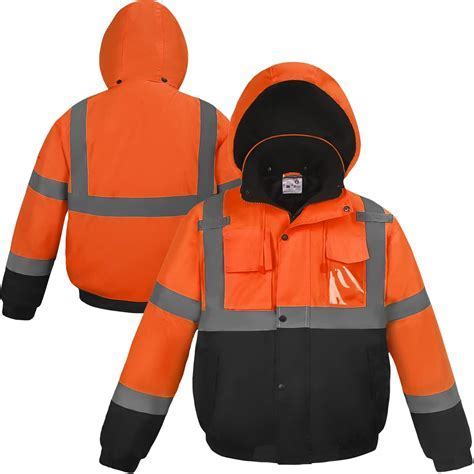
High-visibility features are also important on dimly lit ramps during overnight shifts. Choosing gear that meets both insulation and visibility standards ensures both personal warmth and workplace safety.
Additional Pro Tips from Veteran Line Workers
- Heated Gear: Battery-powered heated jackets, gloves, or insoles can be a game changer in arctic conditions.
- Multiple Gloves: Always carry spare pairs; once gloves become damp from sweat or snow, they lose effectiveness.
- Hot Liquids: Regularly consuming hot coffee, tea, or soup helps maintain internal body temperature.
- Movement Matters: Staying lightly active during downtime prevents chilling. Simple activities like squats or brisk walks around the work area can boost circulation.
- Dry Off Quickly: Brush snow off clothing before entering warmer areas to prevent rapid melting and subsequent wetness.
- Company Equipment: When available, company-issued parkas and coveralls should be utilized, but contractors often must source superior private gear.
Avoiding Common Mistakes in Cold Climate Gear Selection
Many new line workers mistakenly prioritize bulk over function. A massive parka with no base layers underneath will cause overheating, sweating, and ultimately chilling. Similarly, choosing cheap waterproof gear without breathability results in trapped moisture.
Wool over cotton, layers over bulk, breathability over plastic sheeting — these principles guide effective cold weather attire for aviation maintenance.
Conclusion: Gear Up Right to Stay Alive and Operational
Cold climate aviation maintenance demands discipline not just in work routines but in gear selection. By building a system based on moisture management, insulation, and outer protection, we not only survive graveyard shifts in freezing blizzards — we thrive.
Invest wisely, layer intelligently, and prepare meticulously. The line is an unforgiving place in the dead of winter, but with the right gear, it becomes just another challenge to conquer.