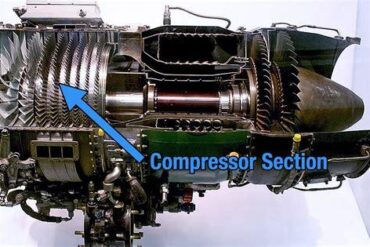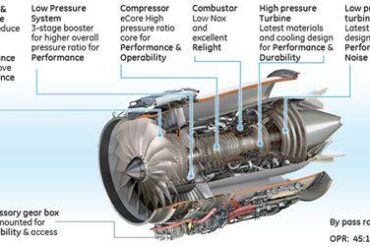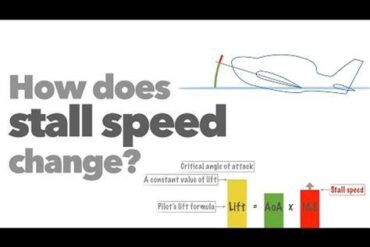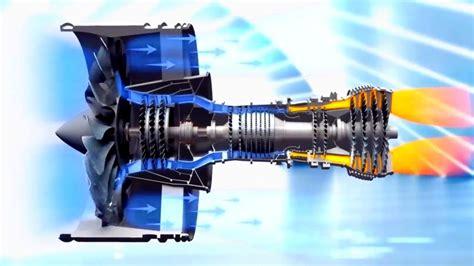
A compressor stall in a jet engine happens when the airflow becomes abnormal due to the aerodynamic stall of the compressor blades. This occurs when the angle of attack of the blades exceeds their critical angle, causing disruptions in the smooth passage of air through the engine.
Compressor blades function like aerofoils, similar to wings or propellers, and are set at a fixed angle in each compressor stage. However, they have an effective angle of attack, which combines the incoming air velocity with the speed of the rotating compressor. A stall occurs when there is an imbalance between the airflow supply and demand, meaning the pressure ratio does not match the engine RPM.
When a stall happens, airflow is interrupted, leading to turbulence and pressure fluctuations within the turbine. This can cause the air in the compressor to slow down or even reverse. Several factors can trigger a compressor stall, including foreign object damage (like bird strikes), dirty or worn components, in-flight icing, extreme flight maneuvers, and improper engine handling.
Depending on the cause, a compressor stall can be temporary and self-correcting or persistent, requiring pilot intervention as outlined in the Quick Reference Handbook (QRH) or other manufacturer instructions. Pilots may notice indicators such as increased engine temperature and RPM fluctuations on various gauges like the Exhaust Gas Temperature (EGT), Turbine Inlet Temperature (TIT), Interstage Turbine Temperature (ITT), and N1, N2, and N3 indicators.
A compressor stall leads to a loss of thrust and can create a sound similar to a backfire due to reverse airflow. Flames may also appear from the engine inlet or exhaust. If a compressor stall persists, it can cause engine damage and potentially lead to engine failure.