Navigating a foreign country without speaking the language can be daunting, but in Thailand, a few well-chosen words and phrases can go a long way. Thai culture values politeness, humility, and warmth, and using basic Thai greetings and expressions signals genuine respect. For travelers exploring this enchanting Southeast Asian nation, understanding these essential Thai terms will not only improve day-to-day interactions but also open doors to more authentic cultural experiences.
From the bustling streets of Bangkok to the tranquil beaches of Phuket, mastering a small set of Thai phrases helps travelers connect with locals, understand directions, handle emergencies, and order food confidently. Fluency isn’t the goal—it’s about demonstrating an effort, which is always met with smiles.
Mastering Thai Greetings and Polite Expressions
Thailand’s unique cultural code includes gender-based expressions of politeness. For men, end sentences with “krub”, and for women, use “ka”. This respectful tone frames nearly all Thai interactions.
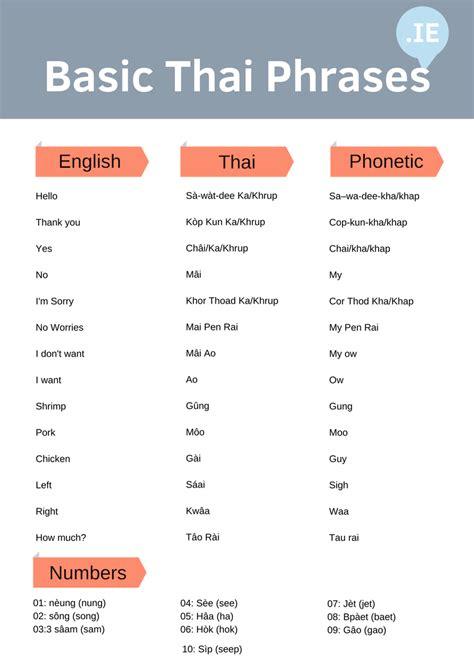
Key greetings and polite words include:
- Sawasdee (Krub/Ka) – “Hello”
- Sabai dee mai (Krub/Ka)? – “How are you?”
- Sabai dee (Krub/Ka) – “I’m fine”
- Khob khun (Krub/Ka) – “Thank you”
- Khob khun mak (Krub/Ka) – “Thank you very much”
- Mai pen rai – “It’s okay” or “No problem”
- Lao jow – “Excuse me” or “Sorry”
- Chai – “Yes”
- Mai chai – “No”
- Chai-yoh! – “Cheers!”
These expressions are more than just linguistic tools—they reflect Thailand’s social harmony. “Mai pen rai,” for instance, captures the national character of tolerance and composure.
Getting Around Thailand: Transportation and Direction Phrases
Navigating Thailand’s public transportation and city layouts is significantly easier when equipped with the right vocabulary. Whether boarding a BTS Skytrain, riding in a tuk-tuk, or hailing a cab, these phrases will assist travelers in moving with confidence.
- Nai bai duay? – “Where is the bus station?”
- Rot fai – “Train”
- Rot may – “Airplane”
- Lot dai tao rai? – “How much is the taxi?”
- Leua sai / Leua kwaa – “Turn left / right”
- Trong pai – “Straight ahead”
- Yoot tee nee krub/ka – “Stop here, please”
- Meua-rai? – “How far is it?”
- Hong nam yoo nai? – “Where is the bathroom?”
- Dai mai ow chan dtang [destination]? – “Can you take me to [destination]?”
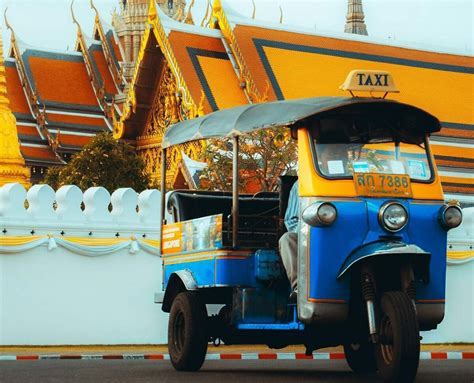
Such practical expressions offer clarity in transit-heavy environments like Suvarnabhumi Airport, bus terminals, or intercity train stations. They prevent misunderstandings, promote smoother commutes, and reduce travel stress.
Essential Phrases for Ordering Food and Drinks in Thailand
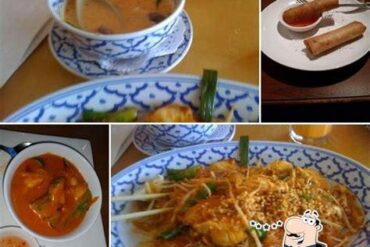
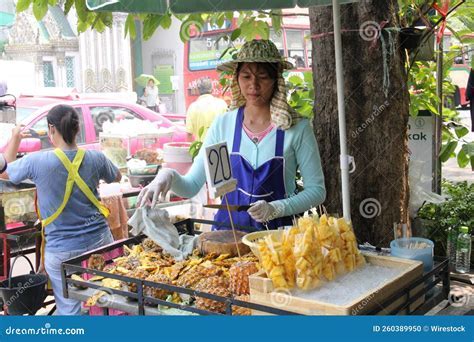
Thailand is a culinary paradise, and exploring local flavors is a highlight of any trip. But with menus often written in Thai, ordering can feel overwhelming. Luckily, a few well-practiced phrases make dining out easy, enjoyable, and delicious.
- Aroy – “Delicious”
- Rue lae – “Menu”
- Su su arai? – “What do you recommend?”
- Chan gin jay – “I am vegetarian”
- Ao [dish] – “I would like [dish]”
- Pet / Mai pet – “Spicy / Not spicy”
- Nam – “Water”
- Gafae – “Coffee”
- Kep tang krub/ka – “Bill, please”
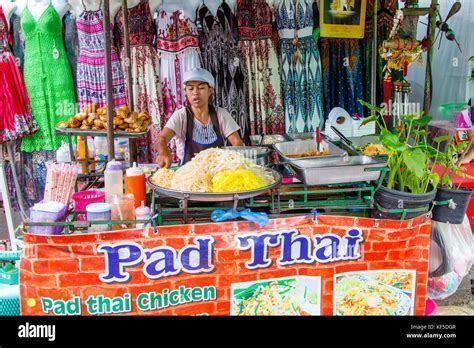
Dietary preferences are widely accommodated in Thailand, especially in major cities and tourist hubs. However, the word “jay” (vegetarian) has a deeper cultural meaning, often aligning with vegan Buddhist cuisine. It’s important to clarify if eggs or dairy are acceptable.
Emergency Situations: Phrases That Could Save Time—or Lives
Even in a peaceful country like Thailand, emergencies can occur. Whether it’s illness, a lost passport, or theft, knowing how to articulate needs clearly is critical. Emergency phrases should be learned in advance, not during a crisis.
- Chuay! – “Help!”
- Pholisee – “Police”
- Rong paya baan – “Hospital”
- Chan tong kaan mor – “I need a doctor”
- Chan long toong pa-sa-pawt – “I lost my passport”
- Khor ro tao ror sa-mong-kol – “Call an ambulance”
- Chan mai sabai – “I don’t feel well”
- Ran lai duay? – “Where is the nearest pharmacy?”
- Chan bao – “I’ve been robbed”
- Fai! – “Fire!”
Medical care in Thailand is generally reliable, especially in cities like Chiang Mai and Bangkok, where English-speaking staff are common in private hospitals. Nonetheless, knowing the basics allows quicker access to care.
Cultural Fluency: More Than Just Words
Learning Thai language basics goes beyond tourism—it’s an immersive tool for building meaningful interactions. Thai people deeply appreciate visitors who make even the smallest effort to speak their language. It fosters trust, reduces cultural friction, and turns ordinary travel moments into treasured memories.
Using Thai expressions shows that you’re not just passing through, but genuinely interested in understanding and respecting the local way of life. It’s not just about communicating a need, but about creating connection.
Pronunciation Tips and Gender Specificity in Thai
One of the unique aspects of Thai is tonal pronunciation. The same word, when spoken in a different tone, can mean something entirely different. For this reason, pronunciation practice is essential.
Additionally, Thai uses gendered sentence particles:
- Krub (ครับ) – Polite particle for men
- Ka (ค่ะ) – Polite particle for women
While the phrase structures stay the same, ending sentences with the correct particle displays proper etiquette. For example, a man saying “Hello” would say “Sawasdee krub”, while a woman would say “Sawasdee ka.”

Many language learning apps such as Drops, Pimsleur, or Ling offer tools for mastering Thai pronunciation, along with voice-guided examples.
Practical Tools and Learning Aids While Traveling
Even with strong memorization, travelers benefit from backup tools. Consider downloading offline language apps or carrying a pocket phrasebook. This becomes especially useful in remote provinces where English is rare.
Offline support tools to consider:
- Google Translate (with Thai downloaded offline)
- Thai-English phrasebooks
- Language cards showing common phrases
- Translation earbuds or language-enabled smart assistants
While technology assists, it should complement—not replace—your spoken attempts. Locals respond warmly when travelers attempt to use even simple Thai expressions.
Final Thoughts: Language as a Bridge, Not a Barrier
Thailand’s warmth is as legendary as its landscapes. Speaking a few essential Thai words is not merely practical—it’s a heartfelt gesture. It communicates respect, gratitude, and genuine interest in the culture.
By integrating these basic Thai phrases into daily travel, visitors are rewarded with more authentic connections, smoother logistics, and a deeper appreciation for the Thai way of life. Words are powerful; even the smallest effort to speak Thai can transform an ordinary interaction into an extraordinary moment.
With this guide, you’re not just preparing for a trip—you’re stepping into Thai culture with intention and understanding. Sawasdee krub/ka, and enjoy every moment of your journey.