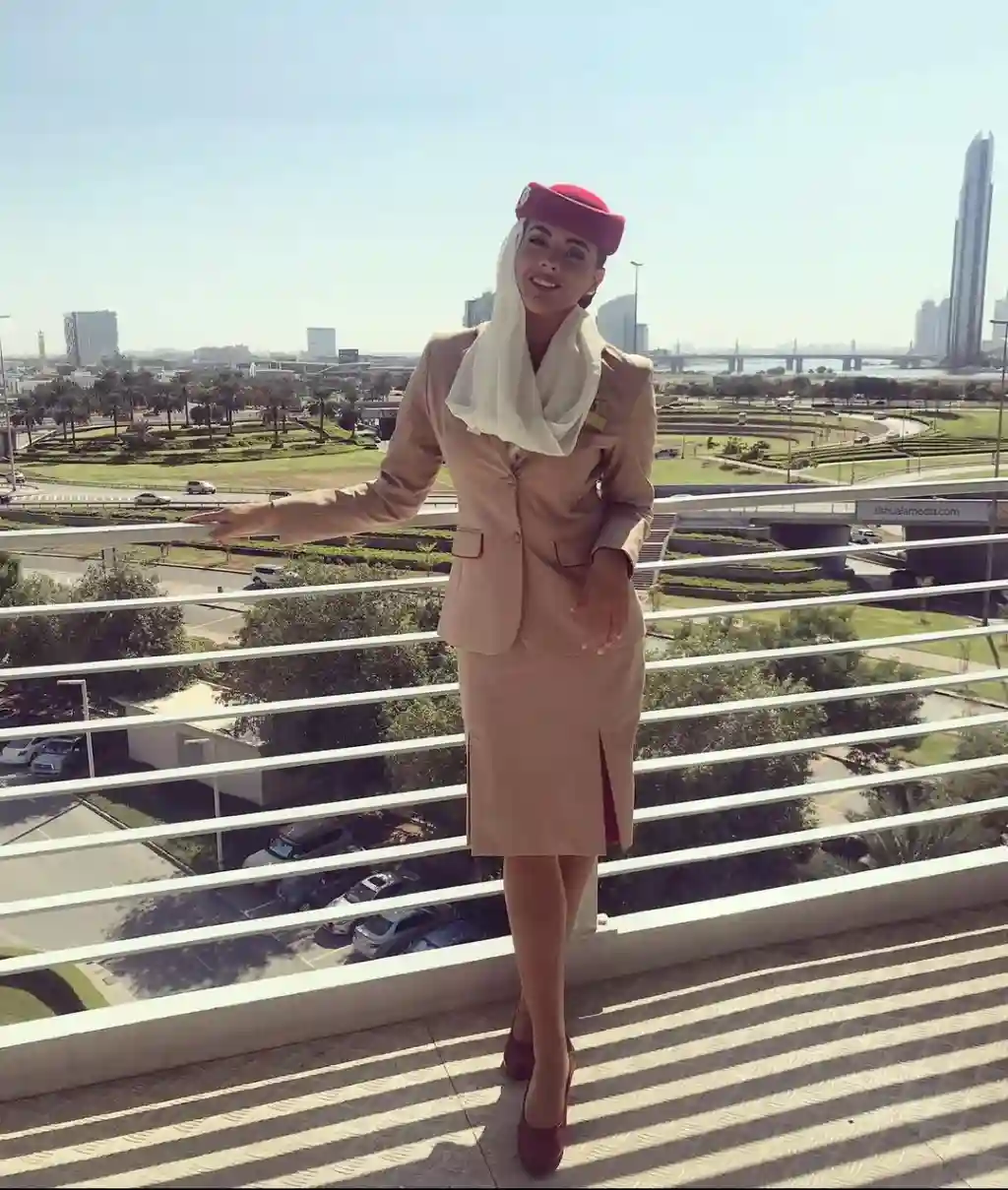
Reasons for Leaving Emirates
Former Emirates cabin crew often explain that, exciting as the job is, the long-term strain can be overwhelming. Constantly flying across time zones leads to chronic jet lag and sleep disruption, and after a few years “it takes a toll on your health and body.” Crew report enduring a punishing schedule, pressure to meet appearance standards, and lengthy time away from family. In fact, one study notes a “high prevalence of fatigue and sleepiness” among flight attendants, which echoes what many ex-crew say: you simply can’t do this forever. Beyond the physiology, personal reasons also matter. Some leave to start a family or pursue a more stable routine on the ground. Others find the strict image and weight rules stressful – Emirates famously enforces an Appearance Management Programme for crew who gain weight, and even implements pay cuts if attendants fail to meet its standards. In short, adventure and great benefits come with intense demands; for many, the lifestyle wears them down over time.
Hiring and Recruitment Process Timelines
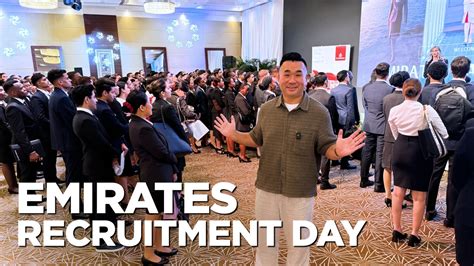
Emirates hires cabin crew primarily through global Open Day events and online campaigns. According to the official careers page, you can simply attend a nearby Open Day with your CV and no prior application. If your resume stands out, you’ll be invited back (often the next day) for an Assessment Day – this typically includes group exercises, interviews, and English testing. Timing varies by location, but applicants often wait a few weeks to hear back after the assessment. Successful candidates then undergo a standard multi-stage onboarding: a medical exam, final interviews, and finally training (usually a 6-8 week course in Dubai).
Tips for Open Day and Final Interview
Arrive early and professionally prepared. Emirates explicitly advises candidates to register “by the start time” of the event. Bring multiple up‑to‑date copies of your CV (in English) and a recent passport-style photo. Dress smartly – a plain white blouse or shirt with black skirt/trousers is ideal, along with conservative shoes. During group activities, be friendly and helpful but don’t dominate discussions. Maintain eye contact, smile, and project confidence: recruiters look for a warm, team‑oriented personality. In the interview, speak clearly about your customer service experience and why you want Emirates. A handy tip is to address interviewers politely with an “Ahlan” (hello) to show cultural awareness. Finally, make sure your resume is ATS-friendly (simple formatting) – one mistake many candidates make is submitting an overly fancy CV that scanners reject.
Dress Code, Makeup, Skincare, and Image Expectations
Emirates is renowned for its corporate image – every detail of a crew member’s appearance is regulated. The airline emphasizes that “the brand is everything”, and they enforce strict grooming standards. Female crew must wear the Emirates uniform with neat hairstyles (usually a bun) and signature red lipstick. In fact, Emirates has partnered with Dior: it recommends products like Dior Forever Skin Glow Foundation, Diorshow On Stage Liner, Dior Backstage Concealer, and Rouge Dior Forever Liquid lipstick to recreate the exact uniform look. Nail polish on women must be clear or matching red, and jewelry is limited to simple studs – no large or flashy accessories. For men, hair must be short and well-groomed, and they must be clean-shaven or have neat, conservative facial hair.
No visible body art is allowed – the official policy states “No visible tattoos while in Emirates cabin crew uniform”. (This extends to any gaiters or makeup concealer: if you must cover a tattoo, it shouldn’t be noticeable at all.) Large scars in uniform areas can be problematic too; always disclose them upfront in your medical.
Skincare matters because flights and Dubai’s climate can be harsh. Many ex-crew swear by lightweight, hydrating products and daily sun protection. During training, crew learn to keep complexions flawless – airlines often encourage good skincare and even offer classes through the Beauty Hub. In practice, keep skin clean and slightly made up so you don’t look washed out on video interview or at open day (think tinted moisturizer, a bit of concealer, neutral eyeshadow). Overall, the expectation is a polished, uniform look: think clear skin, groomed eyebrows, and that bright Emirates red lip.
Common Applicant Mistakes and How to Avoid Them
Candidates often stumble on avoidable errors. A big one is being late or unprepared – note that Emirates tells you to be at the venue on time. Another misstep is poor presentation: wearing the wrong outfit, excessive makeup, or a sloppy hairstyle can overshadow your qualifications. Always follow the airline’s dress guidelines to the letter. In interviews and group exercises, don’t argue aggressively or withdraw silently. Balance confidence with humility: support teammates in role-plays and speak clearly.
Many applicants forget simple things: submit a recent, professional photograph (no sunglasses or party pics!), and ensure your name and contact details match on resume and application form. Typos on your CV or a messy email address (like “partylady123”) can really hurt. Also, some fail because they don’t know basic facts about Emirates; do your homework on the airline’s history, fleet, and destinations. If asked, give honest, concise answers: rambling about irrelevant topics is a common interview faux pas. Finally, make a positive first impression – smile, give a firm handshake (if culturally appropriate), and turn off your phone.
Policies on Tattoos, Scars, Weight, Height, and Age
Emirates lays out clear requirements on appearance. As noted, visible tattoos are a no-go. Any tattoo outside a uniform-covered area must be well-hidden (even with bandages or make-up, recruiters may find it). Scars on exposed areas are similarly risky; minor healed scars in covered zones usually pass, but anything obvious can end your application.
Height and reach rules are explicit: you must be at least 160 cm tall and able to reach 212 cm without shoes. This is non-negotiable – even if you do other flight attendant jobs, Emirates will screen you out if you don’t meet that standard. For men, unofficially around 170 cm is expected, but in practice the rule is the same.
The minimum age to join is 21. There’s no stated maximum, but realistically applicants in their 20s or early 30s fare best, as the role is physically demanding. You’ll need to demonstrate good overall health and stamina as you age.
Weight isn’t given as a number, but Emirates expects a healthy BMI. They actually run an Appearance Management Programme offering diet and exercise plans to crew who put on weight. In short, significant weight gain can jeopardize your career, so maintain fitness even after joining. By contrast, being underweight can also fail the medical. Candidates should ideally fall within a normal BMI range (roughly 18.5–24.9). Anything more extreme will be flagged during the pre-employment medical.
Daily Life, Job Fatigue, Layovers, and Crew Accommodations
Once hired, life as Emirates cabin crew is a trade-off of perks and pressures. Schedules vary by route, but a typical month might include 6–8 weeks of flying shifts followed by equal rest period on reserve. You’ll experience a range of routes – short hops to regional destinations and ultra-long-hauls to the Americas or South Pacific. Each flight can be a 14–16 hour duty window, so expect jet lag. Research confirms that flight attendants often suffer poor sleep quality and high fatigue, so managing sleep and health is crucial.
Layovers are usually comfortable. Emirates pays for your hotel and most meals during stops. In training and at base (Dubai), crew share company-leased furnished apartments by nationality. Transportation to and from the airport is covered or shuttled. The career comes with very good rewards: a competitive tax-free salary, plus extra pay for flight hours (flying pay), and benefits like profit-sharing, medical insurance, and annual travel allowances. Famously, Dubai itself has a cosmopolitan lifestyle – 200 nationalities live in the city, so crew often enjoy dining out, sports, or shopping on days off.
On a layover, you might stay in anything from a four-star hotel to a luxury suite on a classic Superliner service, depending on aircraft. Crew rest areas on-board are designated couches or bunks, so you do get sleep even on flights. Back-to-back flights can be brutal, though. Emirates assigns crew to all classes, so you’ll serve anyone from economy to first class passengers. The job is tiring – you’ll walk miles in the cabin on a long flight – and many ex-crew say the physical demands (service runs, lifting bins, standing) add to fatigue.
Despite the challenges, one bonus is the network: you’ll meet people from over 140 nationalities and hear dozens of languages on any trip. This diversity makes both the work and layovers interesting, and many crews form lifelong international friendships. You’ll also receive a monthly layover allowance and heavily discounted tickets to share with family – perks that keep morale high even when the schedule is tough.
Career Transition Opportunities
Experience at Emirates opens many doors. Within aviation, former crew often move into training or management roles – for example, becoming in-flight service trainers or cabin supervisors. Others join corporate aviation as crew on private jets or yachts; having Emirates on your résumé is a strong asset in the VIP travel sector. On the ground, a common path is into airport or airline corporate jobs (ticketing, scheduling, or recruitment), since you already know the industry. Some leverage customer service skills into hospitality management or tourism.
Beyond travel, cabin crew skills translate to event planning, marketing, and even healthcare: ex-crew have become recruiters, real estate agents, and nurses, capitalizing on their teamwork and language abilities. Emirates itself encourages learning – many crew take advantage of Dubai’s universities or professional courses during leaves. In short, if you choose to move on, highlight your global mindset, crisis management, and communications abilities; recruiters in many fields value the adaptability that airline work instills.
Medical Process, Including Drug Tests and Health Checks
Before official hiring, every new joiner must pass a thorough medical exam in Dubai. This includes a general physical, blood tests, and a chest X-ray (to screen for TB). You will also have your vision and hearing tested, along with an audiogram if needed. The pre-employment form is extensive: it asks about dozens of medical conditions (heart issues, diabetes, allergies, surgeries, even sleep disorders). Any condition that could interfere with flying (e.g. uncontrolled asthma, recent major surgery, severe back problems) may disqualify you.
Height and weight are recorded to calculate your Body Mass Index. Emirates expects a normal BMI range; being too low or high can fail you. You also must declare any drug or alcohol-related convictions – this is non-negotiable. A positive drug or criminal record check will almost certainly bar employment. (In practice, random drug tests are more likely during training, but the primary screening is done via the official questions and possibly a standard urine test for substances.)
Immigration health rules are part of it too: some vaccinations or dental standards apply, and pre-existing conditions are not covered by company insurance for a period after joining. If you honestly answer all medical questions and pass the basic exams, virtually all healthy applicants under 35 succeed. But know that Emirates takes this very seriously – falsifying information or hiding ailments can lead to an offer being rescinded.
Experience with Diversity and Inclusion at Emirates
Emirates prides itself on a highly diverse cabin crew. The team includes people from over 140 countries, speaking 130 languages. On any flight you can expect to see a mix of Asian, African, European, Middle Eastern and North American crew members. This multicultural environment is built into the company culture – corporate communications emphasize respect and inclusion. For example, crew uniforms incorporate a neutral design to suit all ethnicities, and training covers cultural sensitivity so everyone feels welcome. English is the common language, but colleagues often share multilingual tips (e.g., basic Arabic phrases) to help each other.
In terms of inclusion policies, Emirates is relatively progressive: they recruit equally among men and women, and there’s no special quota by nationality (aside from a small Emirati recruitment target). The airline has also adopted initiatives on gender equality and has won awards for workplace diversity. That said, working in Dubai means being aware of local customs: public behavior is more conservative than in Europe or North America. Crew are expected to abide by UAE laws even off-duty (for example, strict anti-drug regulations apply everywhere). Overall though, many crew find Emirates’ environment very welcoming – they celebrate holidays from many cultures and promote a sense of a global community onboard. The AMA repeatedly highlighted that, on a typical flight, you might see a dozen nationalities represented among the attendants. Inclusion is literally part of the job.
Cultural Expectations and Relationships While Being Crew
Emirates sees its crew as ambassadors of Dubai. This means professional boundaries are emphasized. Public displays of affection, even outside work, can reflect poorly on the airline. Dating another crew member happens, but anyone in a relationship must ensure it does not affect duty performance. Emirates does not have an official “no-dating” rule, but fraternization is informal – many couples keep romance private to avoid office complications. Respect for hierarchy and etiquette is important; for example, junior crew should address senior staff politely.
Crew life is social, but Dubai is unique: it’s a mix of Western and Middle-Eastern culture. Team parties or outings are common (with alcohol at private venues), but open drinking in public is not. Many crew members live in gated complexes and form their own social “crew culture” to adapt. Fitting in often means adopting a blend of norms: dress modestly when off-duty in public (e.g., cover shoulders in malls), and be mindful of Ramadan rules (no eating/drinking in public during daylight). Overall, a positive attitude and cultural sensitivity go a long way. Co-workers are generally supportive, so newcomers can lean on them to navigate these expectations while enjoying the adventure of life in Dubai.
Rejoining After Resignation
If you resign and later hope to return, Emirates does allow re-application under certain conditions. The general advice (from recruiting forums and some company hints) is to wait about six months before coming back to an Open Day, even if you were in good standing. This “cool-off” period shows you’re committed. When the time comes, you would apply like any new candidate and might even attend another Open Day as a walk-in. Be prepared to explain what you did after leaving – having a stronger CV or new skills can improve your chances. In our AMA, former crew emphasized treating the rehire process seriously: demonstrate continued professionalism and be honest about why you left. Emirates does not officially publish a rehire policy, but in practice those who left on good terms and waited the recommended period have been invited back. Resigning is certainly better than being fired if you plan to return someday, as a dismissal usually bars you from rejoining. In short, the door isn’t shut: after a respectful gap of months, former crew can reapply to Emirates and potentially be rehired.