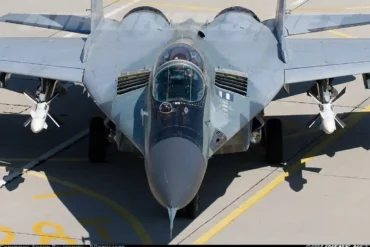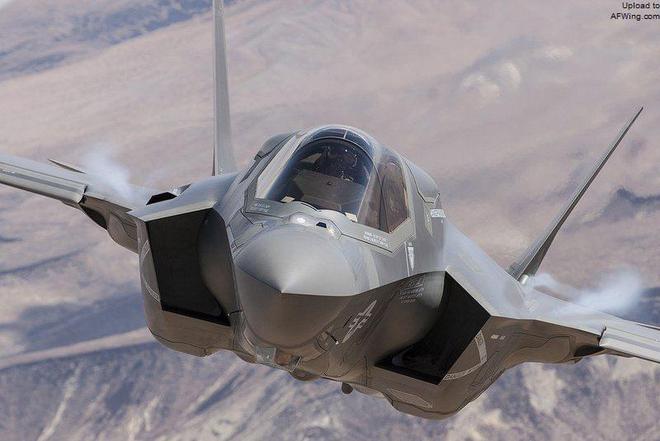
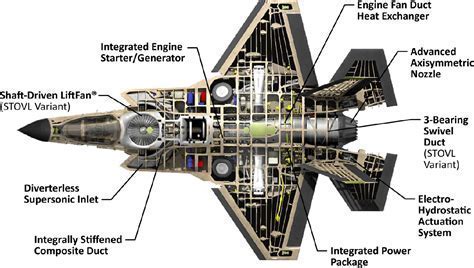
The F-35 Lightning II, developed by Lockheed Martin, is renowned not only for its stealth, avionics, and sensor fusion but also for its revolutionary air intake system. This seemingly unassuming component plays a crucial role in enabling the aircraft’s supersonic performance, radar evasion, and reduced logistical footprint. At the heart of this innovation lies a fusion of aerodynamic science, stealth geometry, and automated manufacturing, all encapsulated in the F-35’s Diverterless Supersonic Inlet (DSI) and its Y-configured S-duct.
Diverterless Supersonic Inlet (DSI): Eliminating Complexity, Enhancing Stealth
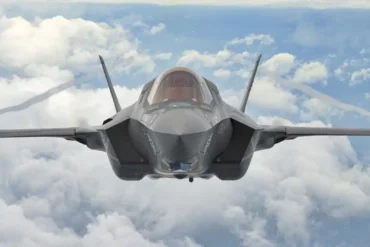
Unlike traditional aircraft that utilize splitter plates and mechanically adjustable ramps to manage airflow, the F-35 employs a Diverterless Supersonic Inlet (DSI). This innovation features a distinctive 3D bump that replaces the need for moving parts, thus radically simplifying the intake’s structure.
The 3D bump performs a dual role: it compresses the incoming supersonic air and diverts the boundary layer airflow—a low-speed layer of air that builds along the aircraft surface—away from the engine. This diversion is crucial because if this turbulent air entered the engine, it could cause airflow distortion or stall. The DSI ensures the flow is clean, stable, and optimal for supersonic speeds.
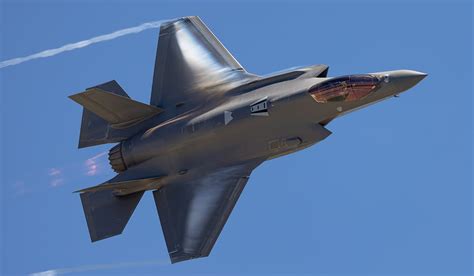
Stealth is significantly improved due to the absence of mechanical diverters. Traditional systems leave cavities and angles that reflect radar signals. In contrast, the DSI design smoothly blends into the fuselage, creating an 80% reduction in Radar Cross Section (RCS) compared to conventional inlet systems. The intake’s minimal protrusion and internal geometry scatter radar waves, eliminating direct returns.
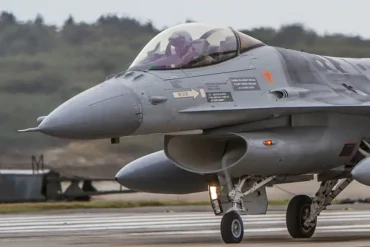
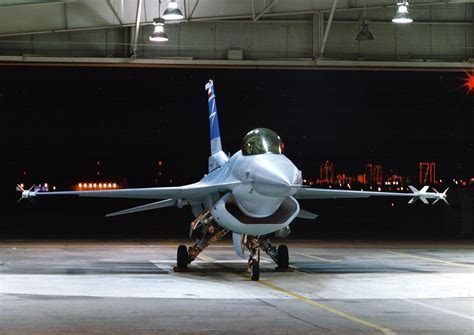
The DSI was validated on modified F-16s during wind tunnel and flight testing. These trials demonstrated that the intake could support airflow up to Mach 2.0, all without causing compressor distortion or engine instability. This performance ensures the F-35 can operate in high-speed, high-threat environments with confidence.
S-Shaped Inlet Duct: Shielding the Engine from Radar
Following the external DSI, the intake transitions into a curved S-shaped duct. This curvature is not a stylistic choice but a tactical decision in stealth engineering. One of the key vulnerabilities in any stealth aircraft is the visibility of the engine’s fan blades. These rotating metallic components reflect radar strongly, compromising the aircraft’s stealth.
The S-duct geometry eliminates any direct line-of-sight from the aircraft’s exterior to the engine face, effectively shielding the F135 turbofan from enemy radar. This feature complements the aircraft’s faceted fuselage, RAM coatings, and internal weapons bays, forming a comprehensive low-observability architecture.
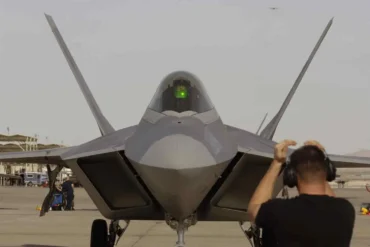
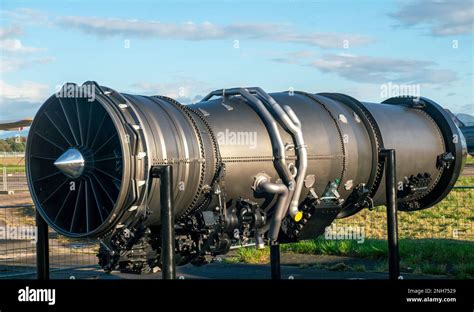
Due to its single-engine configuration, the F-35’s S-duct is more compact than that of the twin-engine F-22 Raptor, which features deeper and longer inlet paths. Despite this, the F-35 intake balances compactness with aerodynamic efficiency, ensuring minimal pressure loss while maintaining radar masking.
Y-Configuration: Integrating Twin Inlets into a Single-Engine Path
A key aspect of the F-35’s intake architecture is its Y-shaped internal configuration. Although the intake presents two openings—one on each side of the fuselage—they merge into a single duct feeding the Pratt & Whitney F135 engine. The merging of two curved inlets into one duct introduces a series of aerodynamic and structural challenges.
Engineers used computational fluid dynamics (CFD) to perfect the airflow transition, ensuring that the pressure distribution remained uniform as the ducts merged. Any asymmetry could cause engine instability, especially at high angles of attack or during abrupt maneuvers. The Y-configuration achieves this balance, enabling the aircraft to maintain stable power delivery throughout its flight envelope.
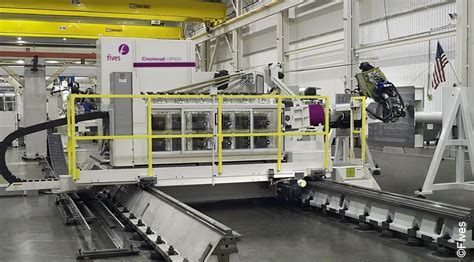
Fabricating this intricate internal geometry demanded micron-level precision. Advanced techniques such as Automated Fiber Placement (AFP) were employed to build the composite intake duct, and robotic drilling was used to achieve tolerance-matched joints inside the confined space.

Material Science and Manufacturing: Built for Stealth and Speed
The materials used in the F-35 intake are as advanced as its geometry. The entire intake structure, including the bump and S-duct, is made using carbon fiber-reinforced polymer (CFRP). This material not only reduces weight but also maintains high-temperature resistance and structural rigidity under stress.
A unique feature of the intake is the use of resin transfer molding (RTM) to co-cure the bump and duct as a single structure, minimizing joints and discontinuities that might affect stealth. This process ensures the surface remains aerodynamically clean and radar-absorbent.
The manufacturing process includes:
- AFP machines like the Vipers 6000, which lay fibers at speeds up to 200 meters per minute, producing precise and defect-free layers.
- Robotic units performing internal drilling and fastening, reducing human error and optimizing assembly timelines.
These technologies contribute not only to stealth and performance, but also to cost control and fleet scalability, supporting mass production for allied operators worldwide.
Operational and Maintenance Benefits
Beyond design and materials, the intake system offers significant operational advantages. The DSI design, having no moving parts, requires far less maintenance compared to older systems like the F-15’s adjustable ramp intake. This translates to fewer mechanical failures, less downtime, and lower lifecycle costs.
In high-demand missions or forward-deployed environments, this reliability becomes a force multiplier. It allows the F-35 to maintain higher sortie rates, essential for both air superiority and ground strike operations.
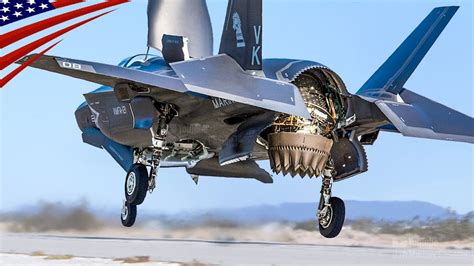
The intake’s composite materials are also engineered to handle extreme conditions, including the 350°C exhaust backflow during vertical takeoff and landing (as seen on the F-35B). This resilience ensures that even under harsh thermal loads, the aircraft’s integrity and performance remain uncompromised.
Comparative Analysis: F-35 Intake vs. F-22 Raptor
The F-35’s intake system represents an evolutionary leap over prior designs, particularly when compared to the F-22 Raptor:
| Feature | F-35 DSI Intake | F-22 Raptor Intake |
|---|---|---|
| Weight | 30% lighter | Heavier due to moving ramps |
| Radar Signature (RCS) | Significantly reduced | Higher due to complex geometry |
| Complexity | No moving parts | Multiple actuated components |
| Maintenance | Minimal | Frequent inspections needed |
| Stealth Integration | Full fuselage blend | External seams and plates |
The F-35’s intake delivers a superior stealth profile with less complexity, all while supporting supersonic speeds and multirole flexibility across air forces globally.
Conclusion: An Intake That Defines 5th-Generation Air Superiority
The F-35 Lightning II intake system is a masterclass in aerospace innovation. By merging stealth, structural efficiency, and high-speed performance, it plays a central role in the aircraft’s dominance across the battlespace. Its DSI bump, S-duct geometry, and composite Y-structure not only redefine what an intake can achieve but also reflect a broader trend in multi-domain warfare: systems that are simpler, smarter, and built to last.
The intake’s influence extends far beyond air. Its manufacturing processes are now benchmarks in aerospace production, and its aerodynamic lessons are shaping the next generation of UAVs, loyal wingmen, and even hypersonic designs.
Frequently Asked Questions
What is the main advantage of the F-35’s Diverterless Supersonic Inlet (DSI)?
The DSI significantly reduces the aircraft’s radar cross-section (RCS) by eliminating traditional diverter mechanisms and smoothing the airflow into the engine. This contributes to better stealth performance and reduces mechanical complexity.
Why does the F-35 intake use an S-shaped duct instead of a straight one?
The S-duct design prevents direct radar reflections from reaching the engine fan blades. It ensures radar waves are scattered and absorbed, thus enhancing the aircraft’s low observability while still maintaining efficient airflow.
How does the intake design affect maintenance and logistics?
With no moving parts, the F-35’s intake system experiences less wear and requires fewer repairs. Its composite construction is both durable and heat-resistant, especially critical for the F-35B’s vertical operations. This translates into reduced maintenance downtime and lower operational costs.