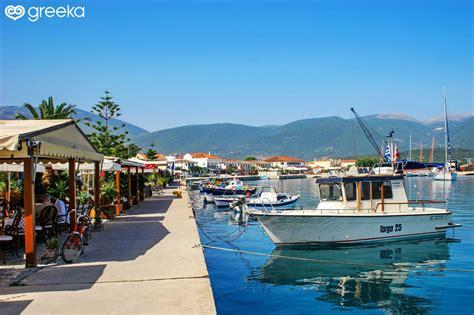
Greece is embarking on a transformative journey by establishing a Destination Management and Promotion Organization (DMMO) in Sami, Kefalonia. This initiative is not merely a local endeavor; it aligns with a broader national strategy supported by the EU-backed Recovery and Resilience Plan. The primary goal is to reshape tourism governance in the region, ensuring that local assets are optimized while enhancing the competitiveness of Sami as a tourist destination.
The launch of the DMMO marks a significant milestone in the strategic development of tourism in Sami. Following the formal endorsement of a cooperation agreement between the Municipality of Sami and Greece’s Ministry of Tourism, this project sets the stage for a renewed focus on sustainable tourism practices. This initiative forms part of a comprehensive national project aimed at reforming how tourism is structured, governed, and promoted throughout Greece.
The DMMO will serve as a pivotal local hub for tourism governance, integrating both public and private stakeholders to develop cohesive strategies, manage tourism flows, and ensure alignment with national priorities. By fostering a more coordinated and data-driven approach, Sami aims to create a future-proof tourism ecosystem that responds effectively to evolving global travel trends.
Strengthening Local Tourism Governance
At the heart of this initiative lies the objective of enhancing the efficiency and effectiveness of tourism destination management through the creation of localized frameworks. The DMMO will focus on three core pillars:
- Creation and Operation of Destination Management and Promotion Organizations (DMMOs): These bodies will unify local stakeholders, allowing for collaborative strategy development, tourism flow management, and action alignment with national tourism priorities.
- Development of Sustainable Tourism Development Observatories: These observatories will monitor tourism-related impacts, trends, and sustainability indicators, integrating their findings into the National Observatory for Sustainable Tourism Development.
- Provision of Technical Expertise and Research Support: The Ministry of Tourism will provide ongoing assistance to municipalities like Sami, including strategic guidance and capacity-building initiatives.
Mapping Sami’s Unique Tourism Identity
A crucial initial phase of the DMMO’s work involves conducting a thorough evaluation of Sami’s existing tourism landscape. This diagnostic analysis is vital for developing a future strategy and will explore various factors:
- Tourism Resources and Infrastructure: An inventory of Sami’s attractions, accommodation capacity, transportation links, and visitor services will be compiled to assess the current state of tourism infrastructure.
- Land Use and Visitor Trends: Analysts will examine how tourism activities intersect with existing land use patterns and their implications for future development potential.
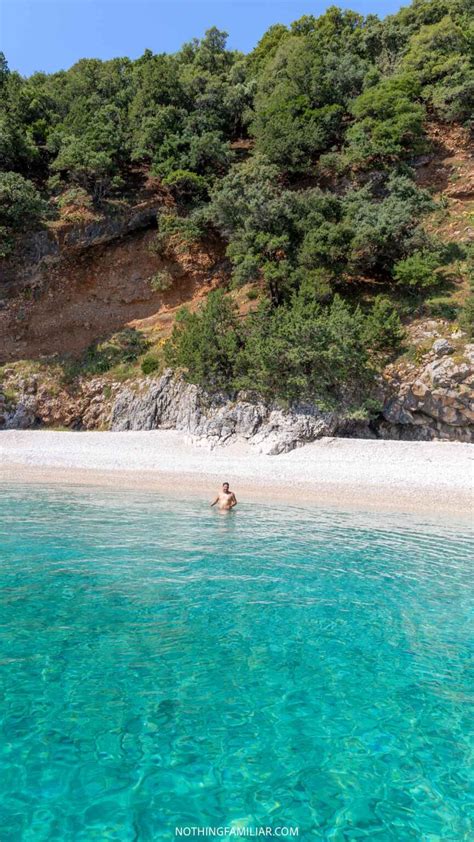
- Environmental Conditions: Special attention will be given to assessing the health of Sami’s natural assets, including its stunning coastline, lush forests, and vital freshwater systems.
- Human and Cultural Capital: The analysis will delve into local traditions, festivals, crafts, and the readiness of the workforce to engage in the tourism sector.
- Demand and Supply Patterns: By comparing current offerings against visitor preferences—both domestic and international—the DMMO can better tailor its strategies.
- Competitiveness and Market Positioning: Sami’s appeal will be assessed against competing destinations, identifying strengths and areas for improvement.
This rigorous evaluation process will also incorporate a carrying capacity assessment, enabling Sami to understand the sustainable limits of tourism without compromising environmental integrity or community well-being.
Crafting a Comprehensive Destination Management Plan
Once the data-gathering phase concludes, the DMMO will embark on crafting a detailed Integrated Destination Management Plan. This strategic roadmap will articulate a medium- and long-term vision for tourism in Sami, addressing key components such as:
- Sustainable Development Strategies: Establishing clear objectives for eco-friendly tourism growth, cultural heritage protection, and inclusive community engagement.
- Destination Marketing and Branding Plans: Defining how Sami can enhance its tourism identity and appeal to both established and emerging markets.
- Operational Action Plans: Developing specific, time-bound initiatives to implement the strategy, ranging from infrastructure upgrades to innovative digital tourism campaigns.
- Monitoring and Evaluation Tools: Implementing mechanisms for continuous feedback, performance measurement, and adaptability.
Sami’s Path Toward Sustainable Tourism Leadership
As the DMMO prepares to finalize its plans, Sami stands on the brink of becoming a model for sustainable tourism practices. This initiative not only supports the economic goals of the town but also ensures that tourism serves as a tool for preserving the region’s rich cultural and environmental heritage.
Greece’s establishment of a DMMO in Sami highlights a commitment to driving sustainable tourism, strengthening regional competitiveness, and aligning with the EU-backed Recovery Plan. By participating in this progressive national initiative, Sami is positioning itself to attract higher-quality visitors while maintaining long-term sustainability. As global tourism increasingly prioritizes environmental and social responsibility, Sami’s proactive planning is set to secure its reputation as a desirable and responsible destination in the years to come.