Heathrow Airport, Europe’s busiest aviation hub, has made headlines with its revised revenue forecast for 2025, estimating earnings of approximately £3.61 billion (around $4.96 billion). This upward revision is attributed to a stronger-than-anticipated recovery in global travel demand, particularly evident in the resurgence of long-haul leisure markets. Major cities like New York, Tokyo, and other international destinations have witnessed a significant rise in passenger traffic, significantly enhancing Heathrow’s financial outlook.
The surge in leisure travel is a pivotal factor propelling Heathrow’s revised revenue forecast. The pandemic-induced slowdown had previously dealt a severe blow to the aviation sector, marked by stringent global travel restrictions and economic uncertainties. However, as these barriers have eased and travel demand has soared, Heathrow has experienced a notable increase in flights, especially to long-haul destinations such as New York, Tokyo, and regions in Latin America. According to Heathrow CEO John Holland-Kaye, “The demand for international leisure travel has exceeded expectations, and we’ve seen significant growth in markets where passengers are eager to visit family, friends, and explore new destinations. Airports are benefiting from travelers seeking to fulfill pent-up demand.”
This renewed interest in international travel has been particularly pronounced among travelers from the United States and Japan, who are increasingly flocking to London. As international tourism rebounds, Heathrow has adjusted its outlook for the next few years to reflect this positive trend. The uptick in demand has also led to a marked increase in passengers choosing premium cabins, especially in the long-haul travel segment. Leisure travelers are now gravitating towards more comfortable travel experiences, which has resulted in heightened sales of business and first-class tickets, alongside additional revenue generated from baggage fees, in-flight services, and various value-added offerings.

Despite the robust growth in overall passenger traffic, Heathrow faces certain challenges within the business travel segment. While leisure travel has surged, corporate travel—especially on key routes to the United States—has not yet returned to pre-pandemic levels. Factors such as economic uncertainties, rising inflation, and the shift towards hybrid and remote working models have dampened demand for business flights. Business travel between London and major U.S. cities, including New York, Chicago, and San Francisco, remains tepid compared to the pre-pandemic boom years. Corporate clients are now more judicious in their travel expenses, leading to fewer high-paying business travelers frequenting flights. This ongoing trend has contributed to a reduction in per-passenger revenue, particularly affecting premium services like first-class lounges and expedited security.
Holland-Kaye remarked, “Business travel remains slower to recover. Companies are rethinking travel policies and utilizing virtual meetings more often. We expect corporate travel to gradually return, but the pace may be slower than anticipated.”
Looking ahead, despite the headwinds faced in the business travel sector, Heathrow’s total passenger traffic is projected to grow in 2025. The airport estimates that it will handle approximately 84.2 million passengers, representing a 0.5% increase compared to 2024. This growth is largely driven by airlines expanding their capacities and scheduling more flights on popular international routes. Notably, there has also been increased traffic on routes to emerging markets, particularly in Asia and Africa, which further contributes to this growth.
Heathrow’s management is committed to maintaining operational efficiency, ensuring that the expansion of passenger numbers does not compromise service quality. The airport is actively enhancing its infrastructure and passenger facilities to accommodate the influx of travelers. This includes initiatives to streamline check-in processes, bolster security measures, and expedite baggage handling services. Additionally, larger aircraft with greater seating capacities and more frequent flights from key airlines are anticipated to manage the expected volume of passengers effectively.
As revenue forecasts improve, Heathrow is also grappling with rising operational costs. The airport has projected an increase in operating expenses of about 7.2%, bringing total expenses to approximately £1.63 billion. This surge in costs can be attributed to several factors, including higher national insurance contributions, inflationary pressures, and investments in enhanced security measures to ensure safe and efficient operations. Furthermore, Heathrow’s EBITDA (earnings before interest, tax, depreciation, and amortization) is expected to see a 3% decline year-on-year. Although operational efficiencies have improved, the increase in costs and the need for ongoing adjustments to adapt to fluctuating market conditions indicate that profit margins may experience pressure in the short term.
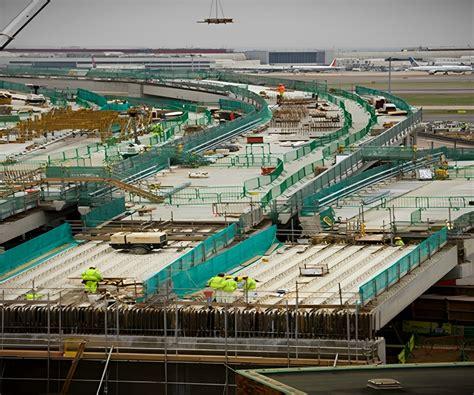
The H7 Business Plan, Heathrow’s revised strategic initiative for 2025 and beyond, outlines a capital expenditure of £4.5 billion. This plan emphasizes expanding the airport’s capacity, enhancing sustainability, and improving passenger services. Key projects under this initiative include investments in sustainable aviation fuel (SAF) infrastructure, implementing noise reduction measures, and upgrading terminals and lounges. Prioritizing sustainability is crucial for Heathrow, which has committed to achieving net-zero carbon emissions by 2050. To this end, the airport is investing in technologies aimed at reducing its carbon footprint, improving energy efficiency, and facilitating the transition to cleaner fuels for aircraft operations. Additionally, modernization efforts in terminals are being undertaken to cater to the needs of the growing number of international travelers.
The Road Ahead: Challenges and Opportunities
As Heathrow looks to the future, its prospects are shaped by a mix of opportunities and challenges. Geopolitical uncertainties, economic volatility, and the evolving landscape of business travel could all influence growth rates. Nevertheless, the airport’s diverse route network, strong emphasis on leisure travel, and ongoing investment in sustainability initiatives are expected to fortify its position as a leading global aviation hub.
Heathrow’s recovery signals a promising sign for the broader UK aviation industry, indicating that the sector is steadily moving towards recovery. While it may still be premature to predict when business travel will return to pre-pandemic levels, the airport’s ability to adapt to changing market dynamics positions it for continued growth in the coming years. In conclusion, Heathrow’s forecast of nearly $5 billion in revenue for 2025 underscores a dynamic period of recovery for the airport. With leisure travel leading the charge and strategic investments ensuring long-term sustainability, Heathrow is well-equipped to navigate the post-pandemic aviation landscape.