Ambient temperature, whether hot or cold, impacts aircraft operations regardless of airport elevation. While the combination of heat and high altitude poses significant challenges, heat alone can also affect safe and efficient flying. Extreme heat is increasingly common in regions like Africa and the Middle East, but it’s becoming more frequent, albeit briefly, in places like Europe, Australia, and North America.
Nearly all commercial aircraft have a defined environmental envelope that outlines the maximum air temperature allowed for operations. For instance, in June 2017, Phoenix, Arizona, experienced an outside air temperature of 120°F (49°C), leading to the cancellation of several Bombardier CRJ flights due to exceeding the maximum allowable temperature for that aircraft type.
Understanding Density Altitude is crucial. Pressure altitude is the airport elevation corrected for ambient pressure, while Density Altitude adjusts this further for temperature and humidity. The International Standard Atmosphere (ISA) assumes sea level conditions of 1013.2 millibars and +15°C. When temperatures rise above ISA standards, Density Altitude increases, which can significantly impact aircraft performance. For example, a sea level airport at 45°C would experience an approximate Density Altitude of 3600 feet, affecting lift and engine performance.
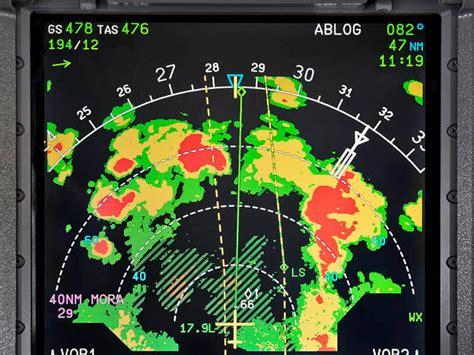
Hot weather can also lead to turbulence and reduced visibility due to convective activity. In dry areas, uneven heating can create turbulence, while humid regions may see thunderstorms, bringing heavy rain, lightning, and wind shear. Poor air quality and haze can further complicate flying conditions.
Aircraft engines have maximum operating temperatures measured in various ways, including cylinder head temperature and Exhaust Gas Temperature (EGT). In hot conditions, these temperatures can reach limits before the engine produces its maximum thrust. High temperatures also reduce the amount of lift generated by the wings, which, combined with other factors, diminishes overall aircraft performance. Consequently, takeoff distances increase, climb rates decrease, and maximum takeoff weight may need to be reduced.
High temperatures can lead to significant maintenance challenges as well. Cooling the aircraft interior may become difficult, especially without adequate ground support equipment. Components like brakes and electronic systems are at risk of overheating, and prolonged exposure can damage sealants and promote corrosion.
Personnel working in hot environments face risks such as dehydration, sunburn, heat exhaustion, and burns from hot surfaces. Mitigating these effects involves careful planning of operations, ideally scheduling heavy payloads during cooler times of the day. Utilizing ground cooling equipment, keeping window shades closed, and managing engine start procedures can help maintain aircraft performance and safety. Ensuring personnel stay hydrated and take regular breaks in cooler areas can protect them from heat-related issues.