A “hot start” occurs in jet engines when the starting temperature exceeds the manufacturer’s specified limit. This temperature limit can be defined in various ways, such as turbine inlet temperature (TIT), exhaust gas temperature (EGT), or interstage turbine temperature (ITT), depending on the engine type. These limits vary by manufacturer and can be lower than, equal to, or even higher than the engine’s normal maximum operating temperature.
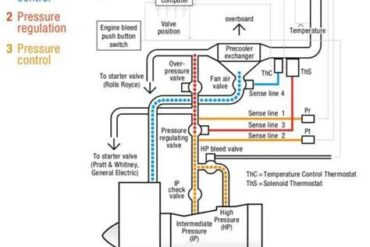
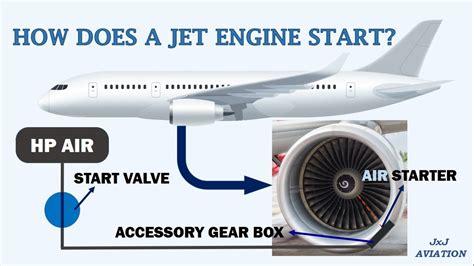
The most common causes of a hot start include insufficient airflow through the compressor, incorrect fuel scheduling, and slow engine acceleration. Other factors that can contribute to this issue are inadequate bleed air from the auxiliary power unit (APU) or ground support unit (GSU) and reverse airflow caused by wind blowing from behind the aircraft.
If the pilot or the Full Authority Digital Engine Control (FADEC) detects a potential hot start and aborts the process before reaching the limiting temperature, a second attempt to start the engine may be possible. However, if the temperature limit is exceeded, maintenance action will be necessary.