In every phase of flight, timing and precision are crucial—but few moments require more finesse than deciding when to initiate a descent. Getting this step wrong can mean burning excess fuel, missing approach targets, or struggling to manage speed and altitude. This article explores in technical depth how to calculate, plan, and execute a descent, focusing on the most reliable methods and metrics used in general aviation, especially for private pilots.
Why Descent Planning Is Critical
The descent phase is not just about losing altitude. It is a tightly coordinated process that prepares the aircraft to enter the arrival and approach segment of flight safely and efficiently. Descending too early may force prolonged low-altitude flight—resulting in increased fuel burn and exposure to turbulent conditions. Descending too late may overwhelm the pilot with the challenge of shedding altitude and speed too rapidly, often leading to unstable approaches or missed approaches.
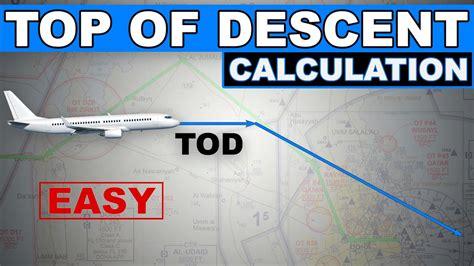
During cruise, pilots must begin calculating the top-of-descent (TOD) point based on several critical parameters:
- Cruise altitude
- Target pattern or approach gate altitude
- Descent angle or rate
- Groundspeed
- Weather conditions at destination
Top-of-Descent (TOD) Rule of Thumb
For general aviation, especially during cross-country flights, the most effective rule of thumb is to use a 3-degree descent angle. This aligns with standard instrument approach profiles and helps ensure a smooth transition into the traffic pattern or instrument approach environment.
To calculate TOD using this rule, divide the altitude you need to lose by 300:
For example, if cruising at 8,000 feet and aiming to descend to a traffic pattern altitude of 2,000 feet, the difference is 6,000 feet. Divide that by 300:
6,000 / 300 = 20 nautical miles
This means you should begin your descent at least 20 NM from your target altitude point to maintain a 3-degree angle.
Understanding Descent Angles and Rates
While the 3-degree rule offers simplicity, understanding the descent rate in feet per minute (fpm) can provide better situational awareness, especially in real-time.
The formula to compute descent rate is:
Descent Rate (fpm) = Groundspeed (knots) × 5 × Descent Angle (degrees)
Using the standard 3-degree angle with a groundspeed of 120 knots:
Descent Rate = 120 × 5 × 3 = 1,800 fpm
However, for many piston aircraft, this descent rate is too aggressive. Instead, most pilots opt for 500–800 fpm, balancing efficiency with comfort and aircraft limitations.
Descent Planning During Preflight
Descent planning should begin before the engine even starts. During preflight briefings, pilots must:
- Analyze arrival and approach procedures
- Determine cruise altitude and approach altitude
- Estimate winds aloft and surface winds
- Identify potential weather hazards
- Assess fuel required for descent and missed approach scenarios
This preflight preparation ensures the descent phase supports fuel efficiency, safety, and regulatory compliance.
The Role of ATC and Airspace Considerations
For VFR flights, descent timing is at the discretion of the pilot, but must consider airspace restrictions, terrain elevation, and traffic patterns. In controlled airspace, Air Traffic Control (ATC) may issue descent instructions or expect pilot-initiated descents in coordination with clearance limits.
Clearances such as “Descend and maintain 3,000” require quick yet calculated transitions. Pilots must know their current altitude, desired descent rate, and time needed to comply with ATC while maintaining situational awareness.
Descent in IFR Conditions
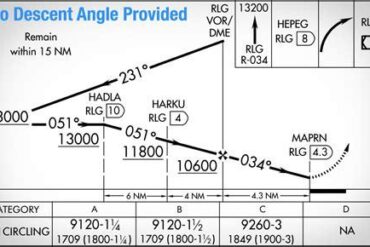
In Instrument Flight Rules (IFR) conditions, descent initiation must conform to published procedures. The Initial Approach Fix (IAF), Intermediate Fix (IF), and Final Approach Fix (FAF) are altitude-critical points where descent profiles become tightly controlled.
Descending too early under IFR may place the aircraft below the Minimum Safe Altitude (MSA) or Minimum Enroute Altitude (MEA), especially in mountainous terrain. Therefore, pilots must use:
- FAA approach plates
- Descent tables
- ATC clearances
- GPS or FMS-generated TODs
Adjusting for Winds and Weather
A strong headwind increases groundspeed and reduces the horizontal distance covered during descent. Conversely, tailwinds extend the aircraft’s path over the ground. Pilots must adjust their TOD point accordingly.
Inclement weather such as low ceilings or visibility may require stabilized descent planning, where the descent angle is maintained precisely to ensure a stable approach. Strong surface winds or turbulence may necessitate a more gradual descent.
Descent in High-Density Altitude Conditions
At airports situated at high elevations or during hot weather, density altitude can drastically affect aircraft performance. A descent that appears routine at sea level may need modification to account for:
- Lower engine performance
- Reduced climb rates in case of missed approach
- Increased true airspeed affecting groundspeed and descent timing
Pilots flying into airports like Colorado Springs or Albuquerque must calculate descent profiles with special attention to field elevation and performance data.
Common Descent Errors and How to Avoid Them
Mistakes during descent often stem from rushed planning, distraction, or poor fuel management. Key pitfalls include:
- Starting the descent too late, forcing steep descents and unstable approaches
- Descending too early, flying long distances at low altitudes and wasting fuel
- Ignoring real-time updates from GPS or ATC
- Forgetting to monitor vertical speed and airspeed during descent
To avoid these errors, we recommend:
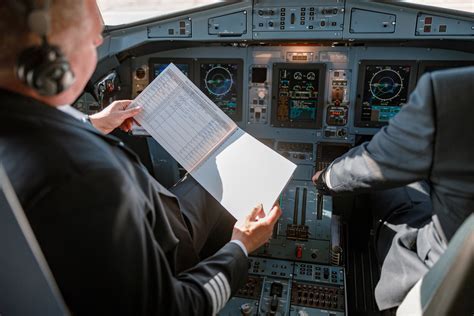
- Always confirming descent plans before top-of-descent
- Using cockpit tools like vertical speed selectors or GPS-descent alerts
- Maintaining a sterile cockpit during descent to avoid distractions
Final Approach and Pattern Entry
As the aircraft nears the destination airport, the descent should position it to seamlessly enter the traffic pattern or align with the initial fix of an approach. For VFR flights, this means arriving at pattern altitude—typically 1,000 feet AGL—3 to 5 miles from the airport, ideally on the 45-degree downwind entry.
IFR flights should be fully configured and on glideslope no later than the FAF, with stabilized airspeed, descent rate, and flaps deployed as needed. This ensures compliance with stabilized approach criteria and reduces workload during the most critical phase of flight.
Conclusion: Mastering the Art of the Descent
Knowing when to start your descent is a skill refined over time, rooted in mathematical planning, situational awareness, and constant verification. Whether flying VFR over the Kansas plains or shooting an IFR approach into Class C airspace, descent management reflects a pilot’s mastery of flight control and airspace integration.
When executed correctly, a descent is not only smooth but sets the tone for a professional, safe landing. For student pilots and experienced aviators alike, descent planning remains one of the most essential, yet under-appreciated, disciplines of piloting.