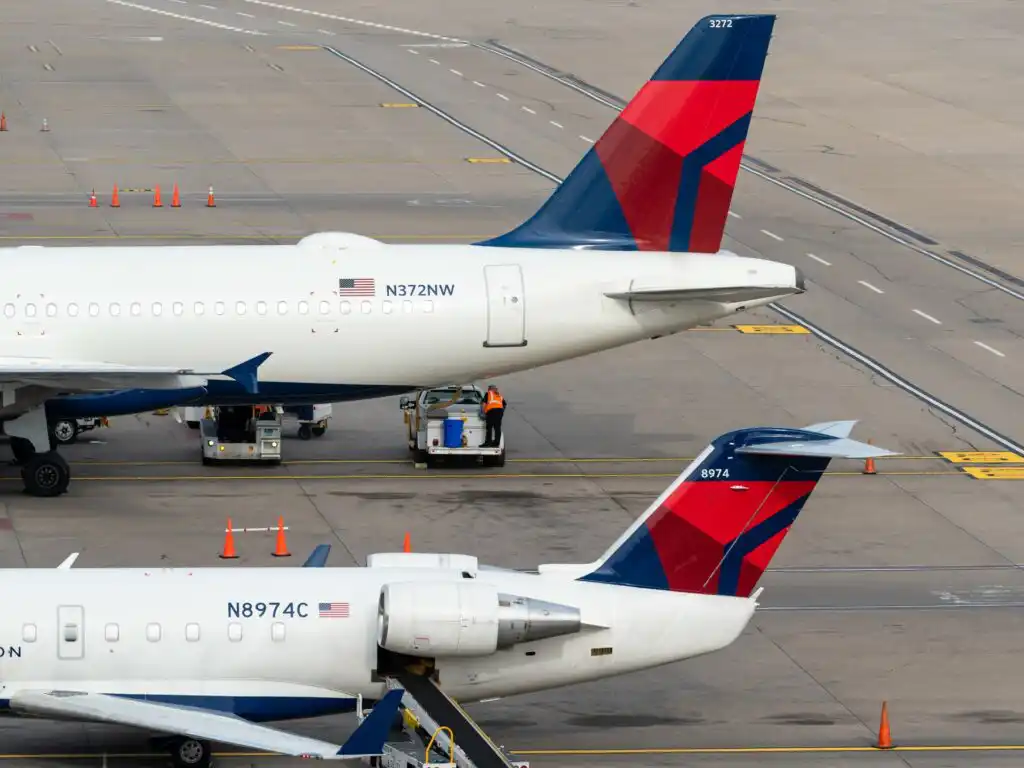
The path to understanding any U.S.-registered aircraft begins with a single, unmistakable identifier: the N-Number. This unique alphanumeric code, always starting with the letter N, is far more than just paint on an aircraft’s fuselage. It is the legal identity of the aircraft, the mechanism through which ownership, airworthiness, and operational legitimacy are tracked. We approach FAA aircraft registration lookup not as a bureaucratic formality, but as a powerful transparency system designed to keep the national airspace accountable, safe, and verifiable.
For pilots, aircraft buyers, journalists, aviation professionals, and serious enthusiasts, the FAA database is the authoritative gateway. It is not a hobbyist tool or a rough directory; it is a government-backed system updated continuously to reflect the current ownership, operational status, and certification standing of every civil aircraft registered in the United States. When we conduct an N-Number search, we are effectively querying a living ledger of aviation history and compliance.
Understanding this system starts with recognizing what the FAA Aircraft Registry represents. The registry is a public-facing database that records the legal facts of each aircraft’s registration. This includes the registered owner’s information (subject to privacy restrictions), the aircraft’s manufacturer, model, serial number, airworthiness category, and registration status. This information is not decorative. It defines whether the aircraft is legally permitted to operate, whether its registration is active, and whether there are red flags that warrant closer due diligence.
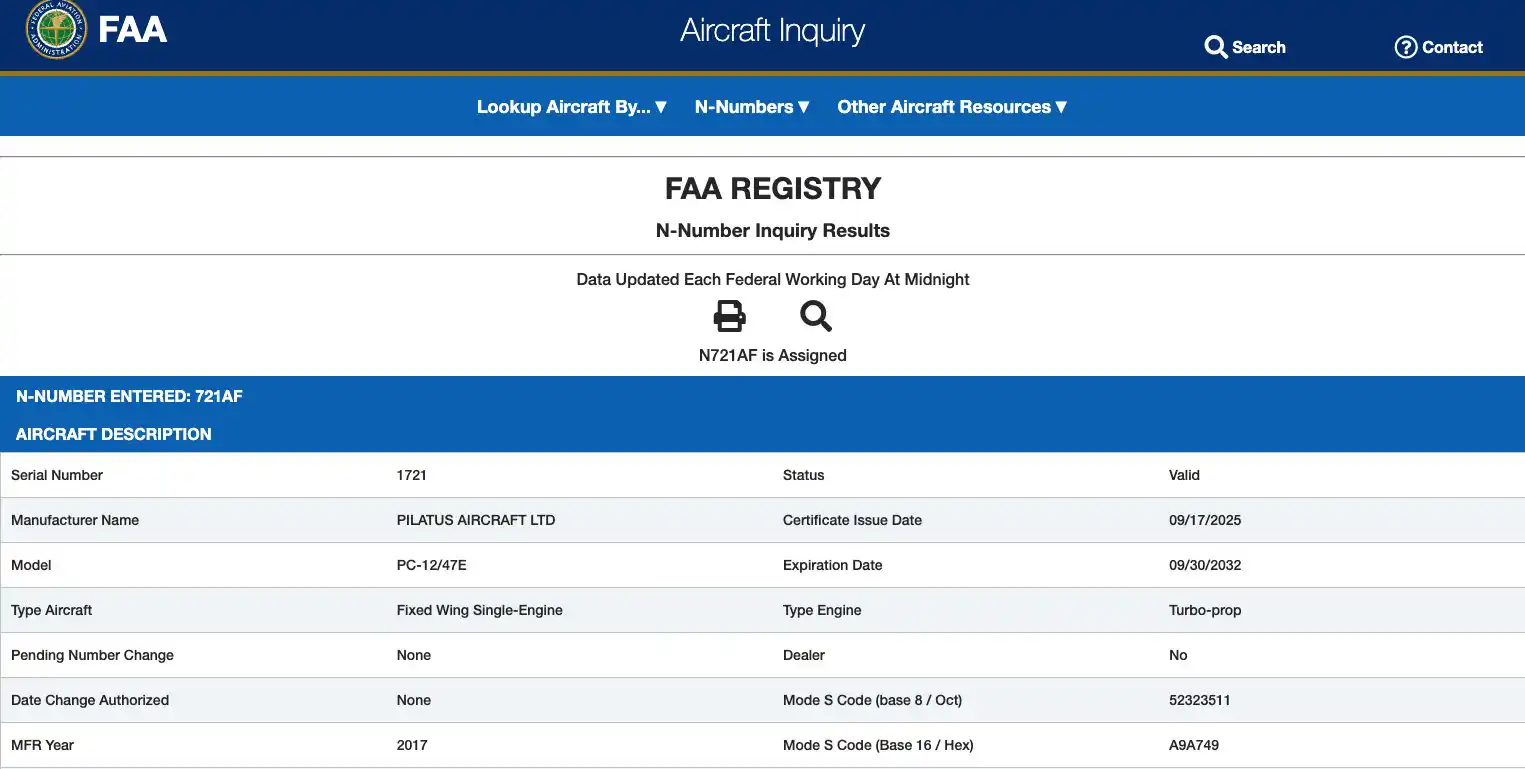
We begin the lookup process by accessing the FAA’s official aircraft registry portal. This is non-negotiable. Only the FAA’s website should be used, because third-party copy sites often scrape outdated data or inject misleading information. Within the FAA environment, the N-Number search tool is designed for direct access. We enter the full registration number, including the leading N, and the system returns a detailed record. There is no paywall, no membership barrier, and no complicated technical hurdle. It is a public service by design, and its accessibility is part of what makes the U.S. aviation system globally respected.
The returned data is structured but dense, and this is where expertise matters. We interpret registration status first. An “Active” status indicates the aircraft is currently registered and legally recognized. “Expired,” “Cancelled,” or “Revoked” statuses tell us immediately that the aircraft cannot be legally operated without corrective action. We then examine the make and model, which helps verify whether the aircraft matches seller claims or physical observations. The serial number ties the airframe to its manufacturing lineage. When discrepancies appear between claimed details and FAA records, they are not administrative trivia; they are potential legal and safety concerns.
The ownership section of the FAA record is often the most sensitive. While the FAA provides transparency, it also respects privacy. Depending on the registration type and applicable privacy rules, owner names and addresses may be partially restricted. Nevertheless, the available data is sufficient to verify whether the aircraft is privately held, corporately owned, or registered under a trust structure. This is critically important in purchase negotiations, lease agreements, and legal investigations. We treat this information as a factual foundation, not as gossip or speculation.
Beyond simple curiosity, N-Number lookup becomes indispensable in pre-purchase inspections. Before any serious buyer commits capital to an aircraft, we verify its FAA record to ensure there are no registration irregularities. A clean, active record does not automatically guarantee mechanical health, but it confirms that the aircraft’s legal identity is intact. Conversely, a mismatched or questionable record is a warning flare. It tells us to pause, investigate, and demand documentation that resolves the inconsistency.
When registering a new aircraft, the FAA process follows a methodical legal framework. We submit a formal application, pay the designated fee, and provide proof of ownership, typically through a bill of sale or equivalent legal instrument. Once the FAA reviews and approves the submission, an N-Number is assigned and permanently tied to the aircraft’s identity in the national registry. This moment is not just administrative; it is the birth of the aircraft’s official public life. From that point forward, every regulatory interaction references this number.
The FAA also provides structured pathways for correcting mistakes or withdrawing registration requests. This matters because aviation operates in a zero-tolerance environment for ambiguity. If errors occur in submitted documentation, or if a registration must be cancelled due to sale, export, or aircraft destruction, the FAA prescribes exact procedures to ensure the public record remains clear and authoritative. These procedures are not designed to trap applicants; they exist to protect the integrity of the aviation system as a whole.
We must also understand the broader security and fraud-prevention dimension of the N-Number system. Scams involving fake aircraft listings, falsified ownership claims, and cloned registration numbers have appeared in the market, particularly in high-value general aviation and business jet transactions. By relying exclusively on the FAA’s official lookup tools, we eliminate most of these risks at the first step. We verify that the aircraft exists, that it is registered, and that its public record aligns with the story being presented by sellers or brokers.
What makes the FAA N-Number database especially powerful is its real-time relevance. Unlike static registries or outdated PDF lists, this system is actively maintained. Updates to registration status, ownership changes, and administrative corrections are reflected routinely. This turns the lookup process into a living audit tool. We are not looking at fossilized data; we are querying the current operational truth of an aircraft’s legal standing.
For aviation professionals, this system is part of risk management and operational discipline. For journalists and researchers, it is a lens into ownership patterns, fleet composition, and historical aircraft movement. For hobbyists and enthusiasts, it offers a window into the stories behind aircraft seen at airports and airshows. The same database serves all these purposes without discrimination. That universality is not accidental; it is a deliberate architectural choice embedded in the U.S. aviation governance model.
The FAA’s aircraft registration lookup should be approached with respect and precision. We treat it as a factual authority, not a casual curiosity tool. We verify spellings, confirm numbers, and cross-reference physical observations whenever possible. In aviation, small errors propagate into large risks, and the registration system is one of the first lines of defense against that cascade of failure.
At its core, the N-Number is more than a label. It is a promise of traceability. It represents the idea that every aircraft operating in U.S. civil airspace can be identified, verified, and held accountable through a transparent public system. When we begin with the FAA’s official database, we are not guessing, assuming, or relying on stories. We are working from the most reliable source available, and in aviation, that is where every serious inquiry must begin.