The National Football League (NFL) is not only the highest-earning sports league globally, with over $20 billion in revenue in 2023, but also one of the most logistically demanding. Each week, 32 teams crisscross the United States, transporting close to 200 people and up to 20,000 pounds of equipment to games spread across a nation that spans nearly 3,000 miles from coast to coast. This colossal operation requires precision, planning, and significant financial outlay.
The Immense Scale of NFL Team Travel
Each NFL team maintains a 53-player active roster, accompanied by coaching staff, medical professionals, nutritionists, trainers, and other essential personnel. The typical traveling party numbers between 175 and 200 people, and with them comes a veritable mountain of gear. Every player’s personal kit, team balls, medical supplies, and performance equipment can total between 15,000 to 20,000 pounds, especially during cold-weather games. Some equipment, particularly bulkier items, is sent via road freight days in advance, but for cross-country matchups, everything often flies together.
Private Jets: The Exception, Not the Rule
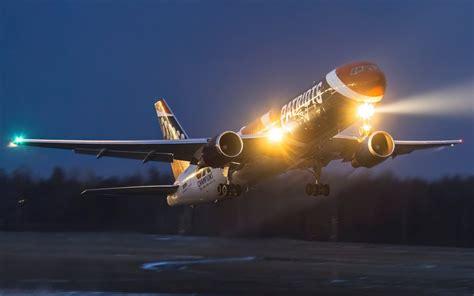
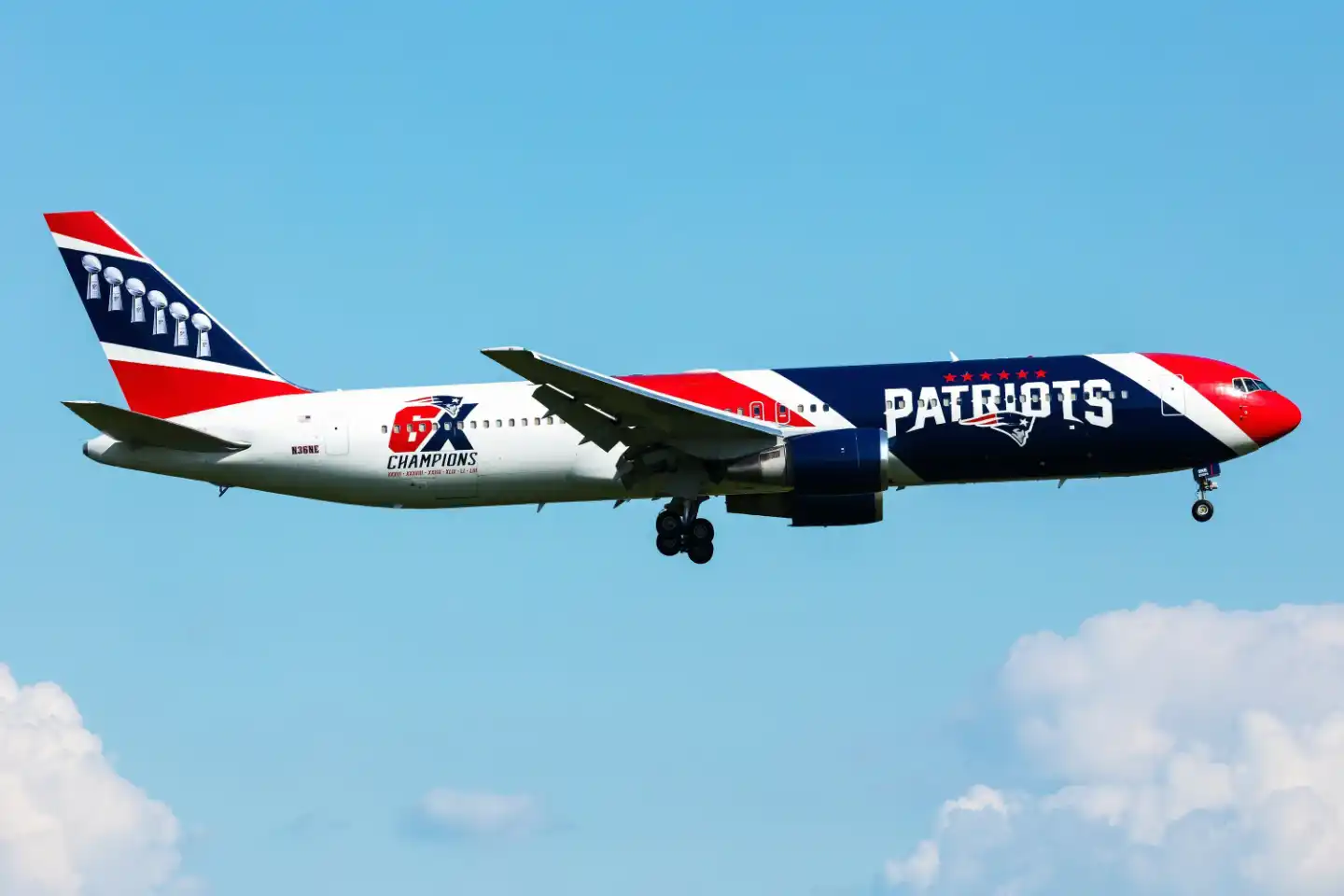
Contrary to popular belief, only two NFL teams own their aircraft. The New England Patriots set the precedent in 2017 by acquiring two Boeing 767-300s, customized into VIP transports and operated by Omni Air. These aircraft, dubbed ‘AirKraft‘ after team owner Robert Kraft, offer unmatched flexibility and privacy.
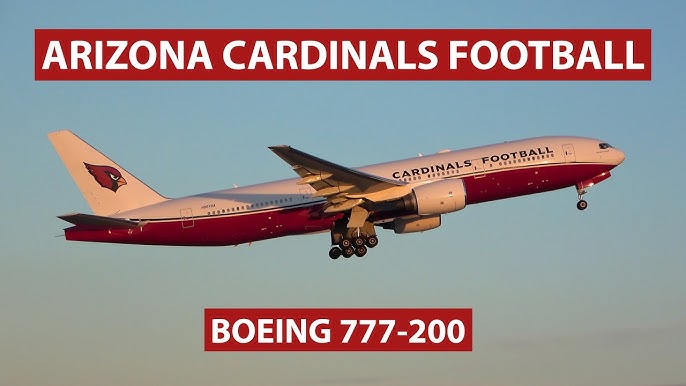
In 2021, the Arizona Cardinals followed suit with a Boeing 777, repainted in vibrant team colors and equipped to carry players, staff, and equipment in ultimate comfort.
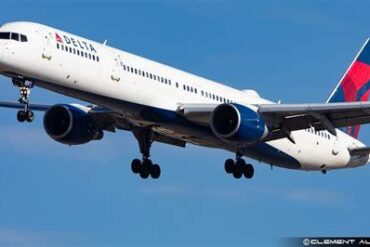
However, the vast majority of NFL teams charter planes from commercial airlines. These are not ordinary flights but exclusive charters, often involving widebody aircraft like the Boeing 767, 777, or even the Airbus A330 and A350, which are usually reserved for long-haul international travel.
First-Class or Business? Seating the Giants
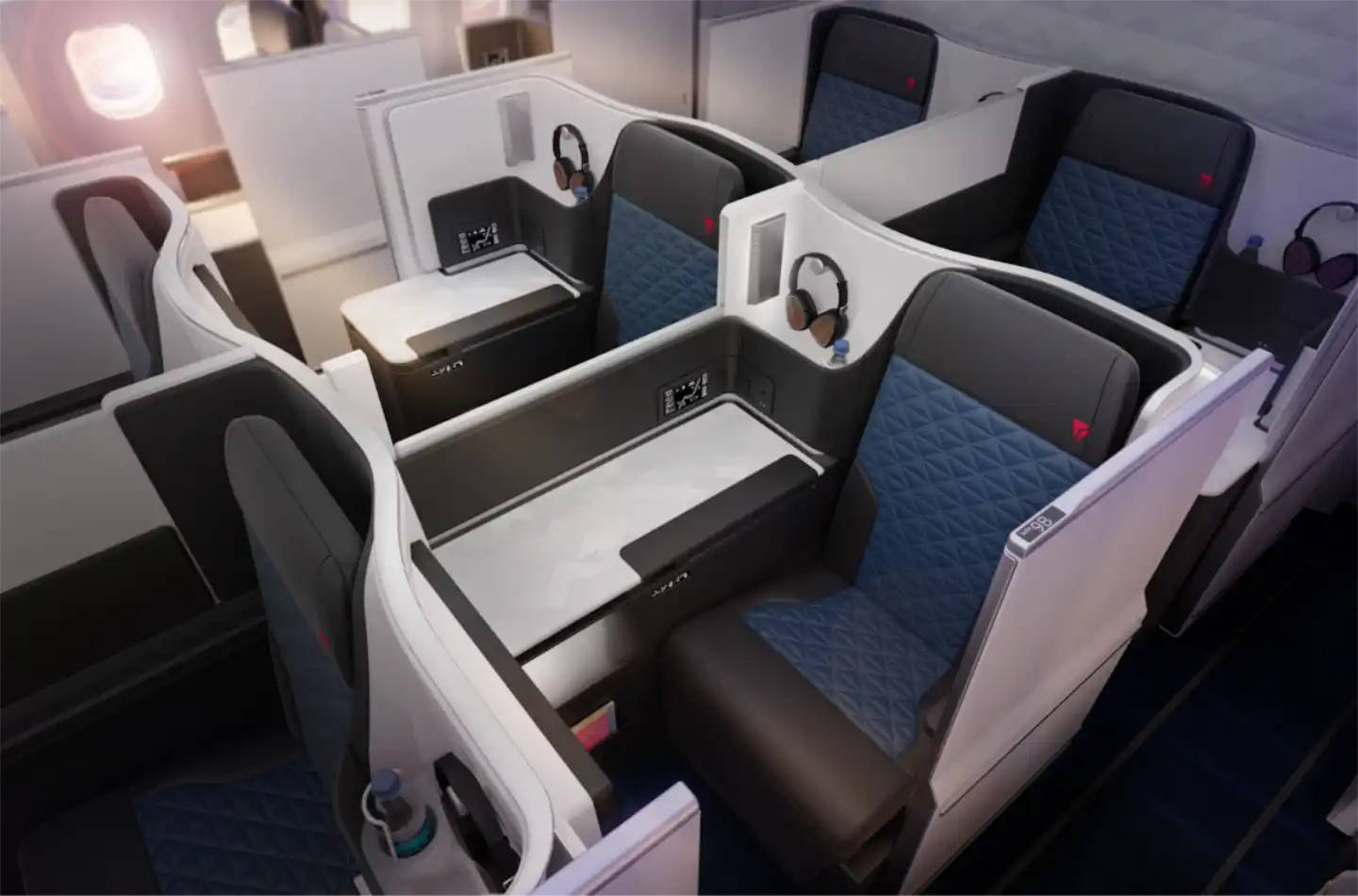
NFL players are not average travelers. With an average weight of 250 pounds, they require far more space and comfort than a standard airline seat provides. Teams prioritize business class seating, ensuring players arrive rested and ready for peak performance. Airlines configure these charters with multiple classes of seating, often including first class for top players and staff, and premium economy for others. How teams allocate these coveted seats remains an internal matter, but it’s widely believed that seniority and performance may influence seating arrangements.
The Airlines Behind NFL Charters
Traditionally, NFL teams have partnered with the ‘Big Three’ U.S. carriers: American Airlines, Delta Air Lines, and United Airlines. Each season, these airlines orchestrate a ballet of Boeing 777s, 767s, 787s, and Airbus A330s and A350s, ensuring players reach their destinations on time.
For instance, the Dallas Cowboys, long aligned with American Airlines, typically fly aboard a Boeing 777 outfitted with 37 business class and 24 premium economy seats. United Airlines, dominating the 2024-2025 season, transported teams like the Chicago Bears and San Francisco 49ers on its fleet of widebodies, while Delta Air Lines also played a significant role, notably flying the Buffalo Bills and Minnesota Vikings.
The Business Dilemma: Why Airlines Are Dropping NFL Contracts
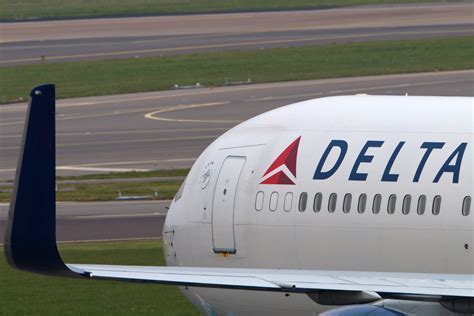
Despite the prestige of flying NFL teams, many airlines are rethinking these arrangements. The logistical demands are immense and costly. For example, Delta’s operation to fly the Cincinnati Bengals to Pittsburgh involved repositioning a Boeing 767 from Atlanta to Cincinnati, then waiting 32 hours on the ground for the return flight—a substantial commitment for just a brief period of revenue-generating activity. Such inefficiencies have led to contract terminations, as seen when American Airlines severed ties with multiple teams in 2017, retaining only a select few like the Cowboys and Panthers.
Charter Alternatives: Enter Atlas Air
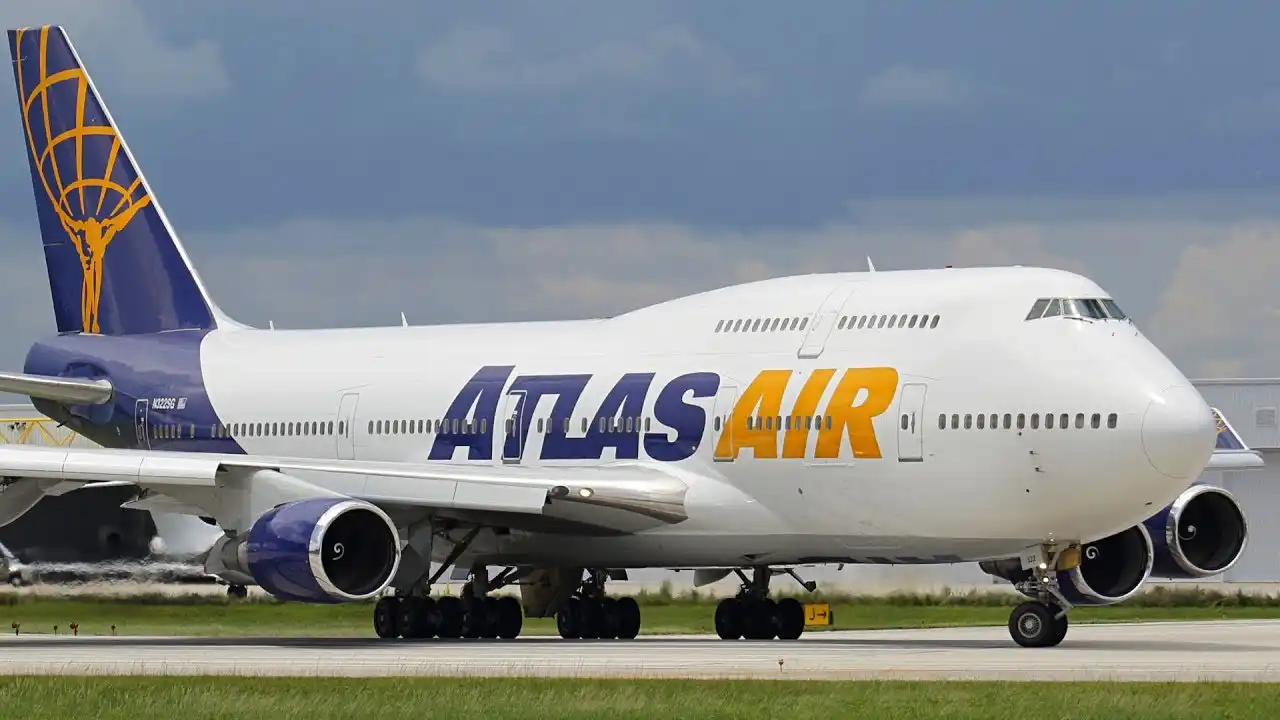
In response to the tightening availability from major carriers, NFL teams have increasingly turned to Atlas Air, a specialist in cargo and passenger charters. Atlas operates Boeing 747-400s with luxurious configurations: 10 first class, 143 business class, and 36 economy seats. These aircraft are uniquely suited to handle both large groups and their equipment, ensuring seamless, all-in-one travel experiences. Teams such as the Seattle Seahawks, Miami Dolphins, and Denver Broncos have benefitted from Atlas Air’s services, particularly during peak travel windows when commercial airline availability is scarce.
Unique Solutions and the Future of NFL Travel
Innovation is key to overcoming the logistical hurdles. The Green Bay Packers, for example, charter two smaller jets—a Boeing 757 and a 737—that fly in tandem, simplifying scheduling and reducing the logistical strain on a single aircraft. Such creative solutions reflect the adaptive nature of NFL logistics as teams seek both efficiency and reliability.
There have been discussions within the NFL about establishing a centralized fleet of aircraft or negotiating block travel deals to streamline costs across the league. However, these initiatives remain in the exploratory phase, and for now, each team continues to navigate the challenges independently.
Conclusion: The Sky-High Challenge of NFL Travel
Moving an NFL team across the country is a monumental task, demanding a blend of precision logistics, significant financial investment, and tailored aviation solutions. Whether through private jets, chartered widebodies, or dedicated charter airlines like Atlas Air, NFL teams spare no expense to ensure players and staff arrive in optimal condition. As commercial airlines weigh the cost-benefit of NFL contracts and as demand for aviation services grows, we can expect further evolution in how the league handles its sprawling travel needs—underscoring once again that, in the NFL, nothing is ever as simple as it seems.